





India’s retail inflation decelerated to an 18-month low in April, providing a fleeting sense of relief to policymakers and consumers alike. However, financial analysts and economists are cautioning that this cooling trend may be deceptive, warning that rising global crude oil prices, potential domestic fuel adjustments, and the looming threat of an El Niño weather pattern could push inflation back above the 5% threshold later this fiscal year, potentially forcing the Reserve Bank of India (RBI) to reconsider its pause on interest rate hikes.
The Illusion of Stability
The latest Consumer Price Index (CPI) data shows a softening in food and fuel prices, which has provided a temporary cushion for the Indian economy. While headline inflation has retreated from the volatile highs witnessed in early 2023, structural vulnerabilities remain deeply embedded in the supply chain.
Economists point to the fact that core inflation remains sticky, suggesting that the recent dip is largely driven by base effects rather than a fundamental resolution of price pressures. The divergence between the headline figures and the underlying economic reality suggests that the economy is not yet out of the woods.
External Pressures and Climate Risks
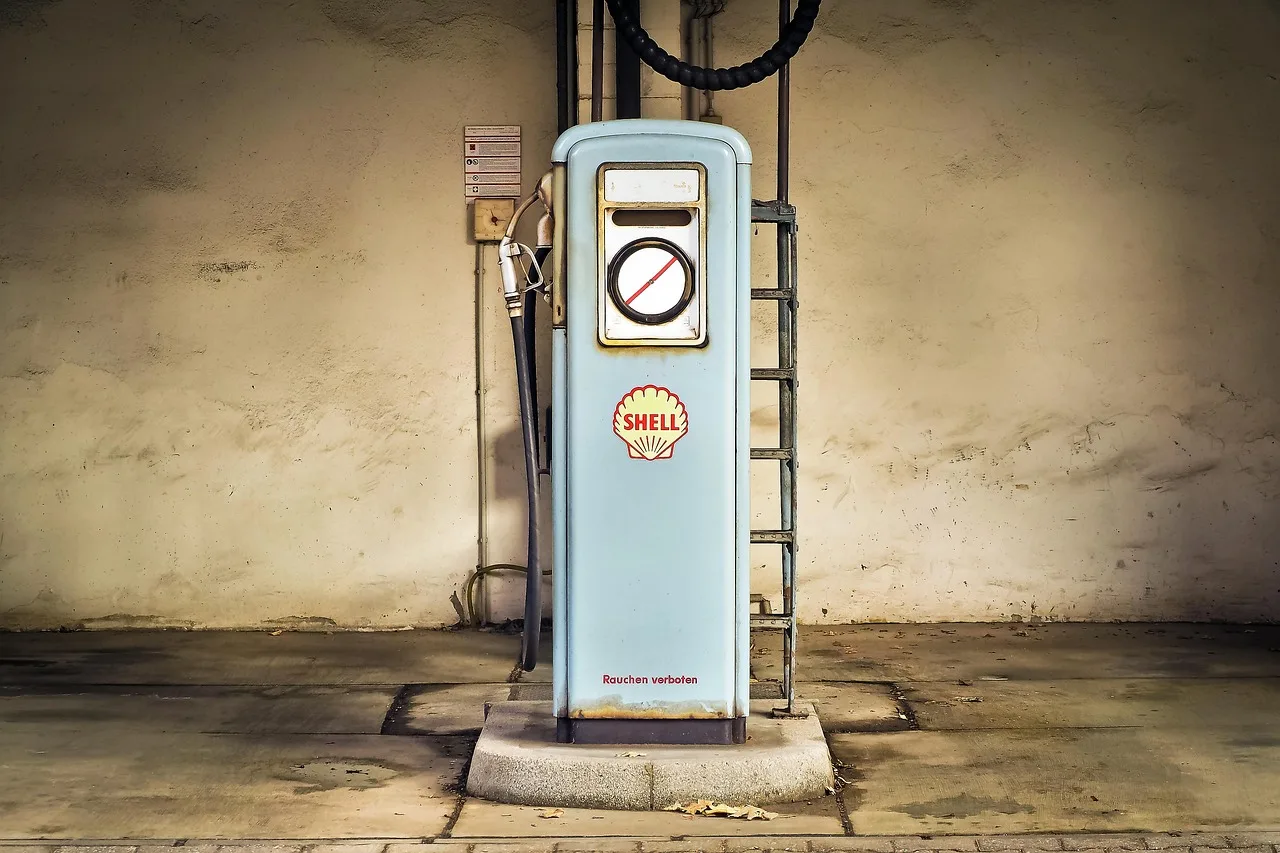
The primary concern cited by market observers is the volatility of global commodity markets. As crude oil prices fluctuate, the risk of domestic fuel price hikes looms large, which would exert immediate upward pressure on transportation and logistics costs across the country.
Furthermore, the meteorological department has highlighted the potential impact of El Niño on the upcoming monsoon season. An erratic monsoon could severely disrupt agricultural output, leading to a spike in food prices that would negate the recent cooling seen in the CPI basket.
Expert Perspectives and Monetary Policy
Data from recent financial reports indicate that if inflation trends breach the 5% mark, the RBI will face mounting pressure to resume its monetary tightening cycle. Analysts at major brokerage firms suggest that the central bank’s current