





Anduril Leads Consortium to Develop Space-Based Interceptors for ‘Golden Dome’ Initiative
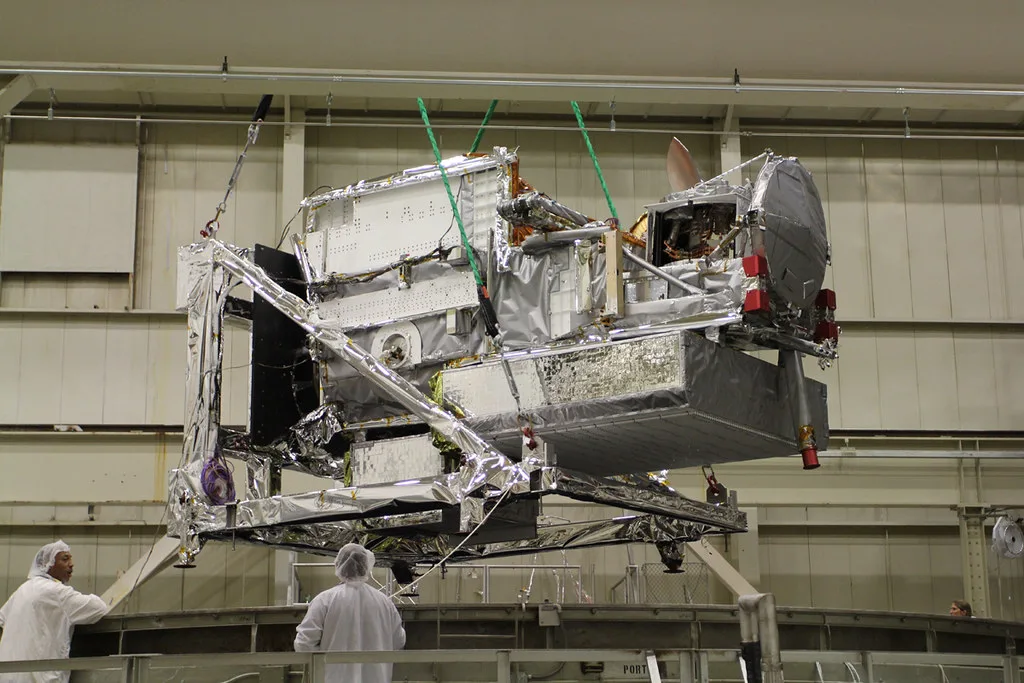
Anduril Industries announced on Tuesday that it will lead a specialized consortium of defense and aerospace companies to develop space-based interceptors for the U.S. Space Force. This initiative, part of the broader ‘Golden Dome’ national missile defense program, aims to counter the escalating threat of hypersonic weapons, advanced cruise missiles, and ballistic projectiles. The project, which is currently underway, seeks to deliver a scalable, affordable, and high-speed defense architecture capable of protecting the U.S. homeland from emerging global threats.
Context: The Evolution of the Golden Dome
The ‘Golden Dome for America’ initiative was formally established following an Executive Order signed by President Donald Trump on January 27, 2025. Designed as a comprehensive ‘system of systems,’ the program aims to integrate air and space-based sensors and interceptors into a unified network. The project represents a significant shift in U.S. defense strategy, moving away from siloed security measures toward a layered, multi-domain defense shield. While initial administration estimates placed the program cost at approximately $175 billion, independent analysts and the Congressional Budget Office have suggested that the total expenditure, particularly when factoring in the complexity of space-based interceptors, could range from $500 billion to over $1 trillion.
Strategic Collaboration and Technological Integration
Anduril is spearheading the effort by integrating the unique technological capabilities of a diverse partner group. The consortium includes Impulse Space for rapid spacecraft maneuverability, Inversion Space for operational deployment, and K2 Space for advanced satellite infrastructure. Furthermore, Sandia National Laboratories is providing critical expertise in advanced weapons development, while Voyager Technologies is contributing to the high-speed reaction requirements necessary for space-based interception. This collaborative model reflects a departure from traditional defense contracting, favoring commercial space sector agility to accelerate the delivery of mission-ready systems.
Expert Perspectives on Modern Threats
Defense analysts emphasize that the urgency of the Golden Dome program is driven by the shrinking reaction windows provided by hypersonic and advanced ballistic systems. By placing interceptors in orbit, the U.S. Space Force aims to neutralize threats during their boost or mid-course flight phases, before they can reach the terminal stage of an attack. Scott McEntire, Senior Manager for Hypersonics at Sandia National Labs, noted that the partnership combines decades of historical weapons research with modern, agile engineering practices to address these complex, high-velocity challenges.
Implications for the Defense Industry
The shift toward space-based interception signals a major pivot in military procurement, favoring companies that can demonstrate rapid, iterative development cycles. For the defense industry, this means a greater reliance on commercial space technologies and a move toward modular, scalable hardware that can be updated via software. As the program progresses, stakeholders will be closely watching the technical milestones achieved by the Anduril-led consortium. Future developments to monitor include the initial testing phases of the space-based interceptor prototypes and the subsequent legislative debates regarding the long-term funding requirements for the full deployment of the Golden Dome architecture.