





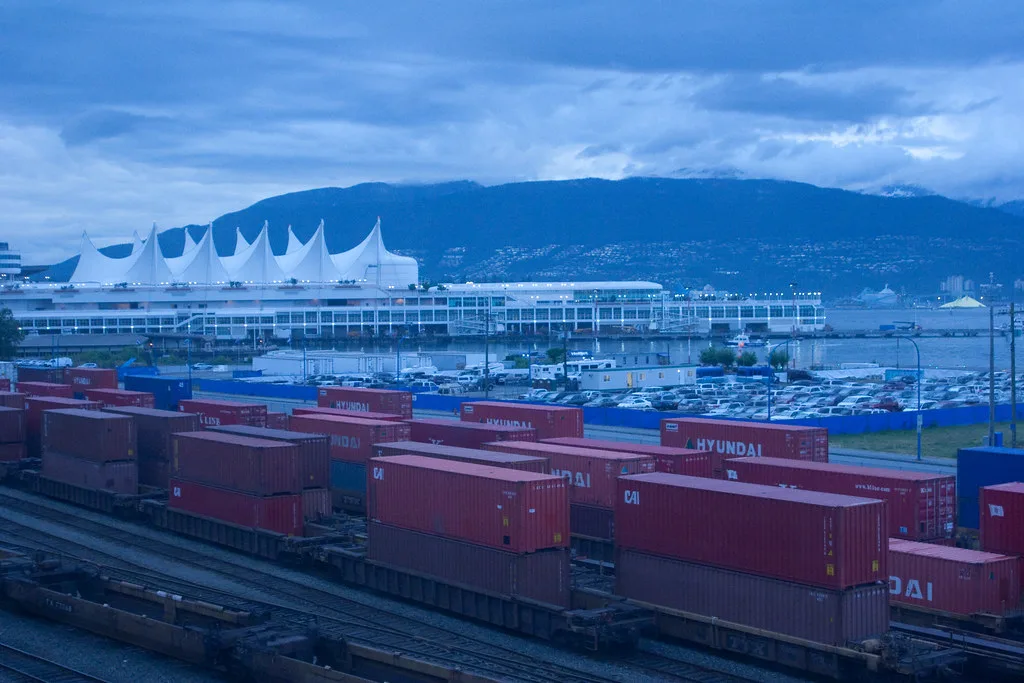
Allcargo Terminals, a prominent player in the Indian logistics infrastructure sector, announced a 7% year-on-year increase in container handling volumes for April, reaching 59,200 Twenty-foot Equivalent Units (TEUs). This performance marks a consistent upward trajectory for the company, reflecting both year-on-year expansion and sequential growth in its core operations across its terminal network.
Contextualizing Logistics Performance
The logistics sector in India has been undergoing a significant transformation, driven by increased manufacturing activity and the government’s focus on improving supply chain efficiency through initiatives like the National Logistics Policy. As a key link in the import-export chain, Container Freight Stations (CFS) and Inland Container Depots (ICD) like those operated by Allcargo are essential barometers for the health of international trade.
Container volume, measured in TEUs, serves as the standard industry metric for gauging the throughput of shipping containers. A consistent rise in these figures typically indicates an uptick in domestic industrial demand or a robust export cycle, both of which necessitate reliable terminal handling capacity.
Analyzing the Growth Drivers
The 7% increase follows a period of strategic investment by Allcargo Terminals in infrastructure optimization and digital integration. By streamlining gate operations and improving terminal turnover times, the company has managed to handle higher volumes without compromising operational efficiency.
Industry analysts suggest that the growth is not merely seasonal but reflective of a broader shift in logistics management. Companies are increasingly prioritizing terminals that offer integrated services, including multi-modal connectivity and faster customs clearance processes. This shift has allowed established operators to capture a larger share of the market as shippers seek reliability over low-cost, high-latency alternatives.
Expert Perspectives on Trade Throughput
Logistics consultants emphasize that the April data points to a resilient trade environment despite global economic headwinds. According to data from the Ministry of Ports, Shipping and Waterways, major ports across India have shown a steady recovery in throughput, which directly benefits terminal operators positioned near these maritime hubs.
“The ability to maintain sequential growth in a fluctuating global market highlights the operational maturity of the domestic terminal sector,” notes a logistics research analyst. “Operators who have invested in automation and yard management systems are seeing the direct dividends of those capital expenditures in their monthly volume reports.”
Broader Implications for the Supply Chain
For the logistics industry, this growth suggests a stabilizing demand profile for container handling services. As manufacturers look to de-risk their supply chains, the demand for high-capacity, efficient terminal space is expected to remain firm throughout the fiscal year.
Investors and stakeholders will be watching the upcoming quarterly reports to see if this volume growth translates into improved margin realization. The key factor to monitor in the coming months will be whether terminal operators can maintain these high throughput levels while navigating potential inflationary pressures on labor and equipment maintenance costs. Continued investment in port-side infrastructure and the integration of smart logistics solutions will likely remain the primary differentiator in the competitive landscape for the remainder of the year.