





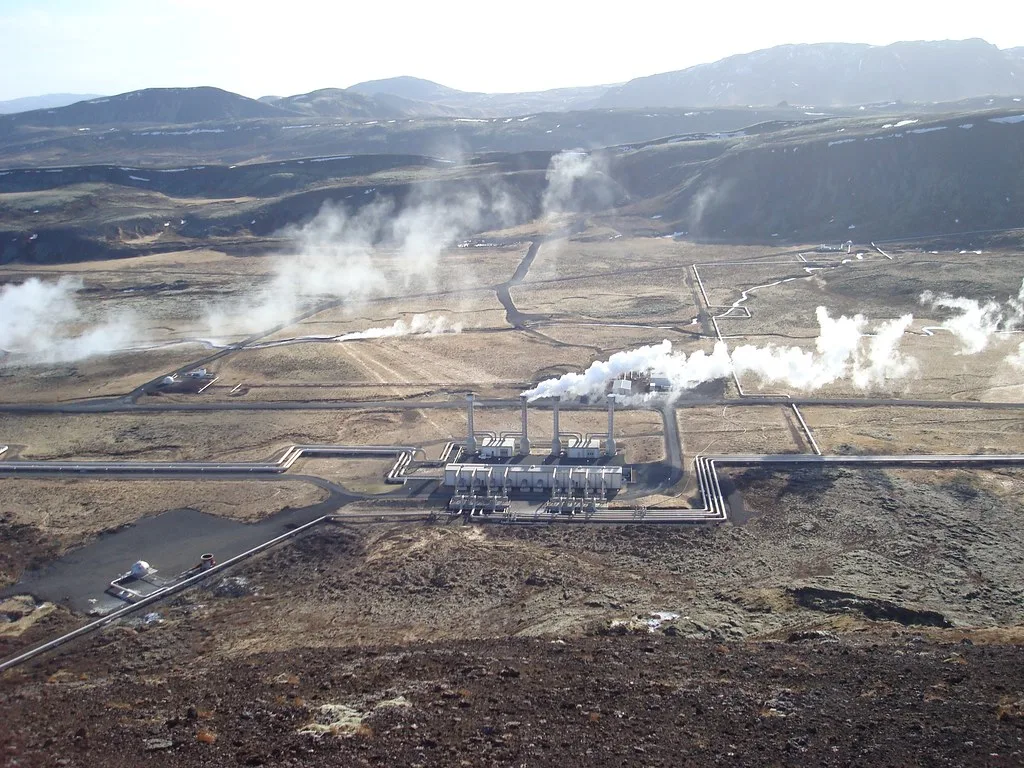
Renewable Energy Gains Market Momentum
The renewable energy sector witnessed a significant shift this week as Fervo Energy and other geothermal pioneers saw a surge in investor interest following a landmark initial public offering within the clean energy space. As global demand for carbon-free, 24/7 power intensifies, institutional investors are pivoting toward geothermal energy, a technology long overshadowed by the rapid growth of wind and solar power. This financial influx marks a pivotal moment for the industry, signaling a transition from experimental pilot projects to scalable, utility-grade infrastructure.
The Evolution of Geothermal Technology
Geothermal energy relies on tapping into the heat generated by the Earth’s core, traditionally restricted to regions with specific volcanic or tectonic activity. However, recent advancements in drilling techniques—borrowed largely from the oil and gas industry—have unlocked the potential for Enhanced Geothermal Systems (EGS). These methods allow developers to create reservoirs in hot rock formations where water does not naturally flow, effectively expanding the geographic viability of the technology.
The Tech Sector’s Role in Adoption
The primary driver behind this resurgence is the insatiable power demand from the technology sector. Data centers, which support the backbone of artificial intelligence and cloud computing, require a constant, stable power supply that intermittent sources like solar and wind cannot always guarantee. By signing long-term power purchase agreements (PPAs) with geothermal startups, major tech corporations are effectively securing a reliable, baseload source of carbon-free electricity to meet their ambitious net-zero targets.
Expert Perspectives on Market Viability
Industry analysts point to a dramatic reduction in the levelized cost of electricity (LCOE) as the catalyst for current market enthusiasm. According to data from the International Renewable Energy Agency (IRENA), the cost of geothermal power has dropped by approximately 30% over the last decade due to improved operational efficiencies. Furthermore, experts at the Department of Energy suggest that if current EGS deployment scales according to projections, geothermal could supply up to 10% of the U.S. electricity grid by 2050.
Financial Implications and Future Outlook
The successful IPO serves as a bellwether for the broader climate-tech investment landscape, suggesting that capital is moving toward “hard” infrastructure projects with tangible output. For the industry, the challenge remains in managing the high upfront capital expenditure required for deep-earth drilling, which carries inherent geological risks. Looking ahead, investors should watch for increased government subsidies and federal loan guarantees aimed at de-risking early-stage drilling projects. The ability of these firms to prove technical feasibility at scale will determine whether geothermal becomes a permanent fixture in the global energy mix or remains a niche power source for high-value industrial clients.