




Skip to content
May 9, 2026
  • About Us
  • Privacy Policy
  • Disclaimer
  • Terms and Conditions
  • Contact us
srkanalytics.com

srkanalytics.com

  • Home
  • Markets
  • Business
  • IPOs
  • Startup
  • Economy
  • Global Business
Headlines
  • Starmer Reaches for Brown's Expertise in Labour Party Reset

    Starmer Reaches for Brown’s Expertise in Labour Party Reset

    6 hours ago6 hours ago
  • Corporate Earnings Surge Defies Market Volatility

    Corporate Earnings Surge Defies Market Volatility

    6 hours ago6 hours ago
  • Why Polestar Is Doubling Down on Net Zero as Rivals Pull Back on EVs

    Why Polestar Is Doubling Down on Net Zero as Rivals Pull Back on EVs

    6 hours ago6 hours ago
  • Navigating the Changing Landscape of U.S. Trade Policy and Tariffs

    Navigating the Changing Landscape of U.S. Trade Policy and Tariffs

    7 hours ago7 hours ago
  • China's Energy Imports Plunge as Conflict Disrupts Strait of Hormuz

    China’s Energy Imports Plunge as Conflict Disrupts Strait of Hormuz

    14 hours ago14 hours ago
  • The Conversion Gap: Why Lead Volume Fails to Drive Business Growth

    The Conversion Gap: Why Lead Volume Fails to Drive Business Growth

    18 hours ago
  • Home
  • Economy
  • India’s Current Account Deficit Narrows to $2.4 Billion in First Quarter
  • Economy

India’s Current Account Deficit Narrows to $2.4 Billion in First Quarter

Business News Desk23 hours ago03 mins mins
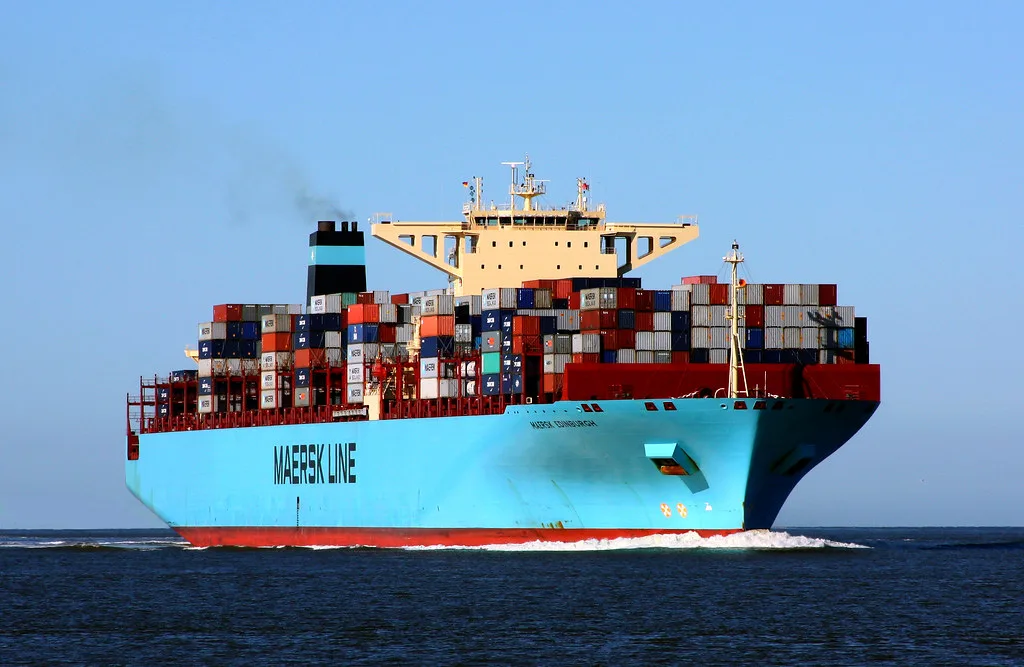
India's Current Account Deficit Narrows to $2.4 Billion in First Quarter Photo by kenteegardin on Openverse

The Reserve Bank of India (RBI) reported on Monday that the nation’s current account deficit (CAD) narrowed significantly to $2.4 billion, or 0.2% of the Gross Domestic Product (GDP), during the first quarter of the current fiscal year. This figure marks a sharp decline from the $8.9 billion deficit recorded in the same period last year, reflecting a robust improvement in the country’s external balance sheet.

Understanding the Current Account Balance

The current account deficit represents the difference between a nation’s total imports of goods, services, and transfers, and its total exports. When a country imports more than it exports, it must borrow from abroad or utilize foreign reserves to cover the shortfall.

A narrowing deficit is generally viewed as a positive indicator of macroeconomic stability. It suggests that the economy is managing its foreign exchange outflows more efficiently relative to its incoming revenue streams.

Drivers of the Improved Balance

The primary driver behind this narrowing deficit is the moderation in the trade deficit, which saw a notable contraction compared to the previous fiscal year. Global commodity prices, particularly in energy sectors, have stabilized, easing the burden on India’s import bill.

Furthermore, the services sector continues to act as a significant buffer for the Indian economy. Strong growth in software exports and business services has consistently bolstered the current account, offsetting the higher costs associated with merchandise imports.

Expert Perspectives on External Stability

Economists point to the resilience of remittances as a critical factor in maintaining a healthy balance of payments. According to World Bank data, India remains the world’s top recipient of remittances, which provides a steady influx of foreign currency that helps insulate the economy from global market volatility.

Market analysts note that while the $2.4 billion figure represents a manageable level, external risks persist. Fluctuations in global oil prices and the tightening of monetary policies in major economies like the United States continue to influence capital flows into emerging markets.

Implications for the Indian Economy

For the average consumer and the broader corporate sector, a lower current account deficit offers a degree of protection against currency depreciation. A stable rupee reduces the cost of imported inputs, which helps in tempering inflationary pressures on essential goods and fuels.

For investors, the narrowing deficit enhances the attractiveness of domestic assets. It signals a lower risk of external shocks, potentially leading to more stable foreign direct investment inflows in the coming quarters.

Looking ahead, policymakers will need to monitor global trade dynamics closely as geopolitical tensions continue to affect supply chains. The focus will likely shift toward sustaining export momentum and further diversifying the basket of goods India sells on the international market to ensure long-term balance of payments sustainability.

Tagged: Current Account Deficit Finance India economy Macroeconomics RBI Trade Balance

Post navigation

Previous: Government Confirms GST Rate Cuts Are Boosting Consumption and GDP Outlook
Next: US Stocks Surge Toward Record Highs Following Robust Labor Market Data

Leave a Reply Cancel reply

Your email address will not be published. Required fields are marked *

Related News

Navigating the Changing Landscape of U.S. Trade Policy and Tariffs Photo by Wolfgang.W.  on Openverse

Navigating the Changing Landscape of U.S. Trade Policy and Tariffs

Business News Desk7 hours ago7 hours ago 0
India and Nigeria Move Toward Local Currency Settlement to Bolster Bilateral Trade Photo by USDAgov on Openverse

India and Nigeria Move Toward Local Currency Settlement to Bolster Bilateral Trade

Business News Desk22 hours ago 0
India and Ghana Set Six-Month Timeline for UPI Integration to Boost Digital Trade Photo by USAID Digital Development on Openverse

India and Ghana Set Six-Month Timeline for UPI Integration to Boost Digital Trade

Business News Desk22 hours ago 0
RBI Governor Assesses Impact of US Tariffs on Indian Economy Photo by crystal710 on Pixabay

RBI Governor Assesses Impact of US Tariffs on Indian Economy

Business News Desk22 hours ago 0
https://www.profitablecpmratenetwork.com/us1yhks2?key=ce75ab72c9e464df577968454cacb31b

Recent Posts

  • Starmer Reaches for Brown’s Expertise in Labour Party Reset
  • Corporate Earnings Surge Defies Market Volatility
  • Why Polestar Is Doubling Down on Net Zero as Rivals Pull Back on EVs
  • Navigating the Changing Landscape of U.S. Trade Policy and Tariffs
  • China’s Energy Imports Plunge as Conflict Disrupts Strait of Hormuz

Recent Comments

  1. Williamhon on How Lord Swraj Paul’s Hostile Takeover Attempt Sparked the Birth of India’s ‘Bombay Club’
  2. Williamhon on How Lord Swraj Paul’s Hostile Takeover Attempt Sparked the Birth of India’s ‘Bombay Club’
  3. Williamhon on How Lord Swraj Paul’s Hostile Takeover Attempt Sparked the Birth of India’s ‘Bombay Club’
  4. Williamhon on How Lord Swraj Paul’s Hostile Takeover Attempt Sparked the Birth of India’s ‘Bombay Club’
  5. Williamhon on How Lord Swraj Paul’s Hostile Takeover Attempt Sparked the Birth of India’s ‘Bombay Club’

Archives

  • May 2026
  • April 2026
  • March 2026
  • February 2026
  • January 2026
  • December 2025
  • November 2025
  • October 2025
  • September 2025
  • August 2025
  • July 2025
  • June 2025

Categories

  • Automotive Innovations
  • Business
  • Business Analysis
  • Business and Finance
  • Business Finance
  • Business Insights
  • Business Technology
  • Culture & Society
  • E-Commerce Insights
  • Economy
  • Finance
  • Global Business
  • IPOs
  • Markets
  • Pharmaceutical Industry
  • Startup
  • Technology
  • Technology Investments
All Rights Reserved- SRK Analytics & Consulting Private Limited - 2025 Powered By BlazeThemes.
  • About Us
  • Privacy Policy
  • Disclaimer
  • Terms and Conditions
  • Contact us