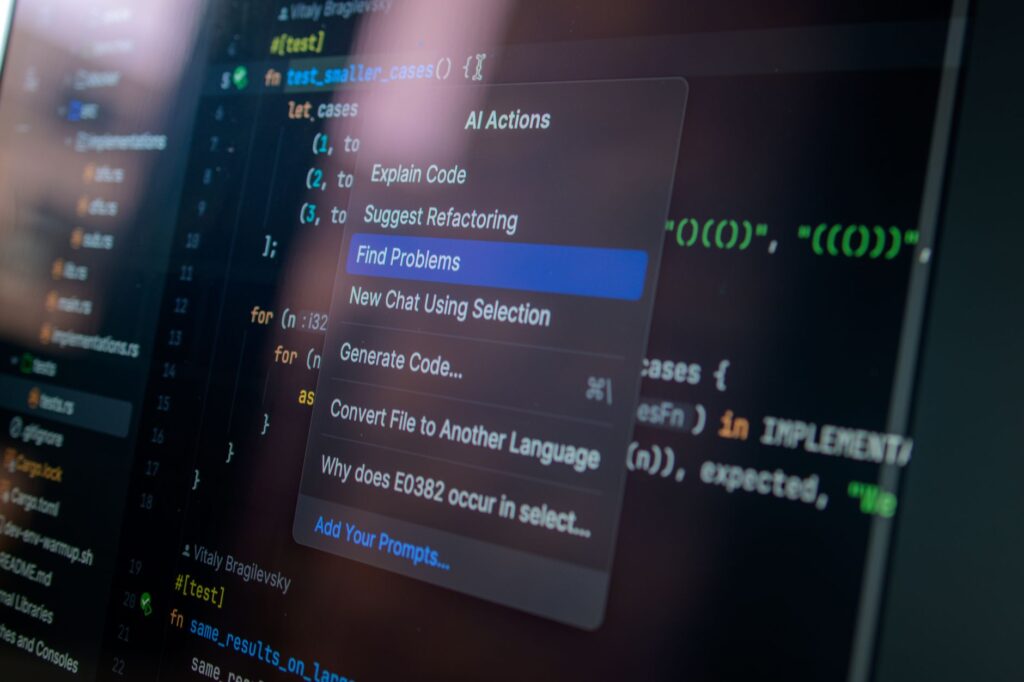

Nuclear Energy Meets Artificial Intelligence
The intersection of advanced energy technology and artificial intelligence is creating new possibilities across the industrial landscape. Companies operating within specialized sectors are constantly searching for methodologies to streamline complex procedures, optimize resource allocation, and accelerate engineering timelines. Recently, NuScale made headlines by integrating artificial intelligence directly into its core internal processes. This strategic move highlights a broader trend of traditional heavy industries adopting digital automation to enhance overall efficiency and productivity.
Understanding the NuScale AI Integration
At its core, the adoption of artificial intelligence within an engineering and energy enterprise involves deploying sophisticated computational models to handle data-intensive tasks. These digital tools are capable of analyzing vast quantities of technical specifications, regulatory requirements, and operational parameters at unprecedented speeds. By allowing machine learning systems to manage repetitive analytical workflows, human engineers and specialists can redirect their focus toward high-level innovation, strategic planning, and complex problem-solving. This shift not only accelerates project completion but also minimizes the likelihood of manual oversight errors.
Operational Advantages for Modern Energy Firms
The integration of automated intelligence offers numerous operational benefits for firms engaged in developing advanced power solutions. One primary advantage is the significant reduction in time required to complete intricate modeling and simulation tasks. In the nuclear sector, precision is paramount, and verifying safety margins involves processing astronomical amounts of empirical data. AI-driven systems excel at identifying patterns and optimizing designs within strict regulatory frameworks. Furthermore, these technologies enable organizations to scale their operational capacity without experiencing a proportional increase in overhead costs, paving the way for sustainable long-term growth.
Implications for Stock Performance and Market Sentiment
Investors frequently monitor how technological adoption influences the financial trajectory of growth-oriented companies. When an enterprise embraces cutting-edge digital tools, the market often responds by reevaluating the firm’s long-term competitive positioning. Efficiency gains typically translate to improved profit margins and accelerated time-to-market for critical infrastructure projects. However, market participants must also weigh the initial capital expenditures required to implement such advanced systems against the projected future savings. Analysts continue to evaluate how these operational enhancements will affect quarterly earnings and overall shareholder value in the coming fiscal periods.
Broader Industry Trends and Future Outlook
The decision by NuScale to turn artificial intelligence inward reflects a wider movement across the global technology and energy sectors. As computational power becomes more accessible, organizations that fail to incorporate digital automation risk falling behind more agile competitors. The fusion of nuclear engineering and machine learning represents a formidable combination capable of addressing some of the world’s most demanding power generation challenges. Moving forward, the success of these initiatives will depend heavily on consistent execution, rigorous testing, and the ongoing refinement of proprietary algorithms.
Conclusion on NuScale and AI
In summary, the integration of artificial intelligence into NuScale operations marks a notable milestone for the organization. By harnessing machine learning to optimize internal workflows, the company is positioning itself to navigate the complexities of the modern energy market more effectively. While investors should maintain a balanced perspective regarding the immediate financial impact, the long-term potential of AI-driven efficiency is undeniable. As the industry continues to evolve, the synergy between advanced power technology and digital automation will undoubtedly remain a focal point for market observers and stakeholders alike.