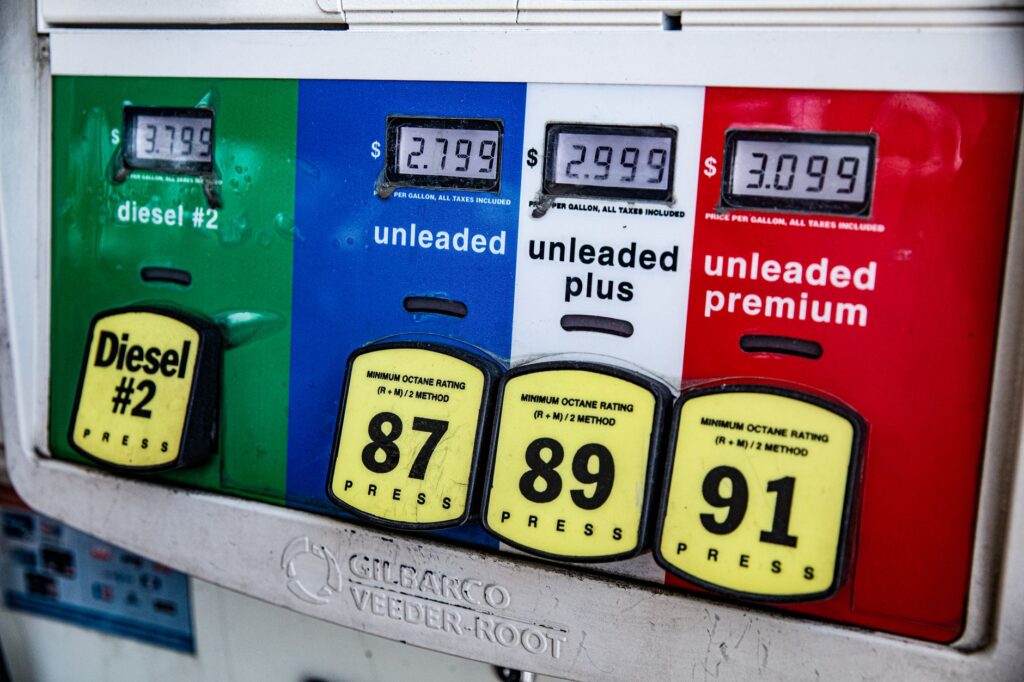

The Economic Impact of Fuel Costs
Diesel fuel costs across the United States reached historic peaks recently, driven largely by ongoing geopolitical conflict in the Middle East. As energy markets react to extended hostilities involving Iran, the ripple effects are being felt deeply throughout the American domestic economy.
Rising Transportation Expenses
The immediate consequence of these unprecedented fuel costs is a sharp increase in logistics and shipping expenses. Commercial freight carriers, delivery services, and shipping operators find themselves absorbing exorbitant fuel expenditures to keep their fleets moving across the country.
Passing Costs to Consumers
Because logistics companies cannot absorb these elevated operating expenses indefinitely, businesses across multiple industries are implementing various fuel surcharges. From retail merchandise to essential household goods, the cost of moving products from distribution centers to store shelves is climbing steadily.
Broader Economic Implications
This upward pressure on supply chain logistics threatens to fuel broader economic inflation. When moving raw materials and finished products becomes significantly more expensive, manufacturers and retailers must adjust their pricing strategies accordingly.
Looking Ahead at Market Trends
Market analysts suggest that if fuel costs maintain their current upward trajectory, everyday shoppers should prepare for more pronounced price increases on a wide variety of consumer goods in the near future. Industry stakeholders continue to monitor energy markets closely as supply and demand dynamics shift under pressure.