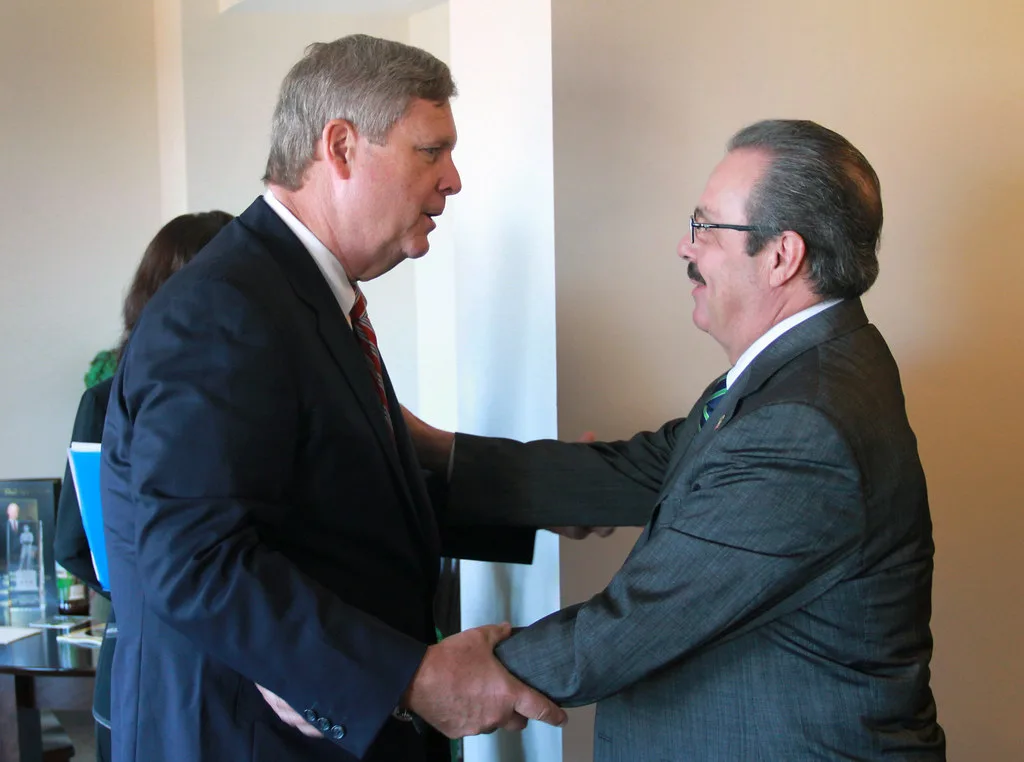





Commerce Secretary Howard Lutnick faced hours of intense questioning from members of the House Oversight Committee during a closed-door session in Washington, D.C., on Wednesday. Lawmakers focused their inquiry on the secretary’s past professional and personal associations with the late convicted sex offender Jeffrey Epstein, seeking to clarify the nature and extent of their historical relationship.
The hearing marks a significant moment for the current administration, as the committee leverages its investigative authority to probe the backgrounds of senior government officials. The session, which lasted several hours, underscores growing congressional pressure to ensure transparency regarding the private dealings of high-ranking public servants.
The Context of the Inquiry
Jeffrey Epstein, who died in a federal jail in 2019 while awaiting trial on sex trafficking charges, maintained a wide network of high-profile associates across the worlds of finance, politics, and academia. Lutnick, the longtime CEO of Cantor Fitzgerald, has previously acknowledged knowing Epstein, a fact that has drawn renewed scrutiny following his confirmation as Commerce Secretary.
House Oversight Committee members have signaled that their interest is part of a broader effort to vet the potential conflicts of interest or compromising associations of executive branch officials. While Lutnick has not been accused of criminal wrongdoing related to Epstein’s activities, lawmakers are pressing for a comprehensive accounting of any financial or professional ties that may have existed between the two men.
The Scope of the Congressional Probe
During Wednesday’s proceedings, committee members reportedly pressed Lutnick on the timeline of his interactions with Epstein and whether any business relationships persisted after the financier’s initial 2008 conviction. The closed-door format allowed for a granular examination of documents and communications that have not yet been made public.
“The committee is committed to following the facts wherever they lead,” a spokesperson for the panel stated following the session. While the specific details of the testimony remain confidential, the intensity of the questioning reflects the bipartisan interest in determining if any past associations pose a risk to current national security or policy-making integrity.
Expert Perspectives and Data
Ethics experts note that the scrutiny of public officials’ private histories is a standard, albeit rigorous, part of modern congressional oversight. According to data from the Congressional Research Service, oversight hearings regarding the fitness of appointed officials have increased in frequency over the last decade as political polarization has intensified.
Legal analysts suggest that the focus on Lutnick is indicative of a broader trend where lawmakers use association as a metric for vetting. “When a public official has ties to a controversial figure, the burden of proof shifts to that official to demonstrate that there is no ongoing conflict of interest,” observed a constitutional law professor who tracks executive branch ethics.
Future Implications and Outlook
The implications of this hearing extend beyond the immediate political fallout for the Commerce Department. The committee’s ongoing investigation suggests that further subpoenas or requests for documentation may be forthcoming, potentially drawing other financial sector leaders into the legislative spotlight.
Observers are now watching for the committee’s next steps, specifically whether they will release a summary of the closed-door findings or move to hold public hearings on the matter. The outcome of this inquiry will likely influence how the administration handles future vetting processes and how Congress defines the boundaries of acceptable professional history for executive nominees. Investors and policy analysts are closely monitoring the situation, as any further disclosures could impact the stability of the department’s leadership agenda moving forward.