
The Landscape of Modern Protection
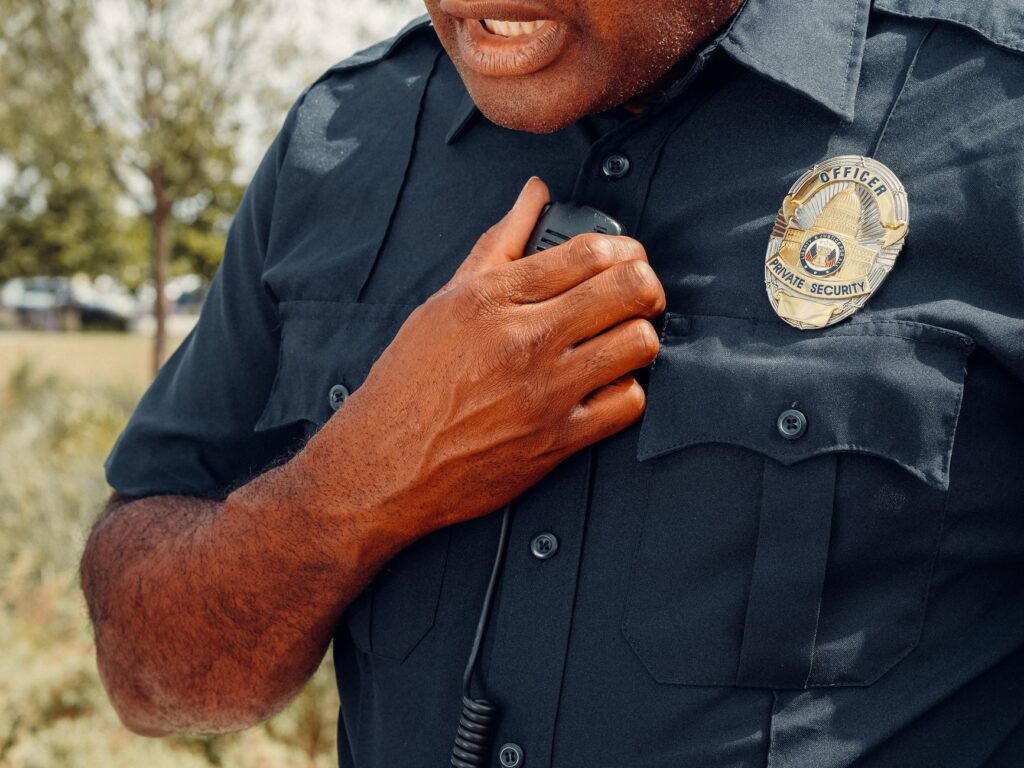
Private security has evolved from a niche service into a massive economic powerhouse. Over recent years, spending on protective services and the hiring of security personnel have experienced steady growth. Organizations, businesses, and local communities are increasingly allocating substantial resources toward safeguarding their assets and people.
Understanding the Demand Shift
This surge in protective measures presents an interesting paradox. Statistics and official reports often show that violent crime rates on a national level are declining. Despite this downward trend in traditional crime statistics, the demand for private guards and advanced security systems continues to climb upward.
Drivers Behind the Investment
Several factors explain why organizations are doubling down on security despite falling crime metrics. High-profile security incidents, whether real or widely publicized, create a heightened sense of vulnerability. Corporate leadership and community organizers are adopting proactive stances to mitigate risk and reassure stakeholders, employees, and residents.
The Evolution of Corporate Security
Businesses no longer view security as an optional expense or a simple luxury. It has become an essential component of operational strategy. Companies face complex threats ranging from physical intrusions to liability concerns. Consequently, corporate budgets increasingly reflect robust investments in trained personnel, surveillance technology, and access control systems.
Community and Neighborhood Initiatives
Beyond corporate headquarters, residential areas are also contributing to the expansion of the protective services market. Neighborhoods and homeowner associations are hiring private patrol units to supplement public law enforcement. This grassroots approach reflects a broader societal shift toward personalized safety solutions.
Economic Impact and Future Outlook
With global spending reaching the fifty billion dollar mark, the private protection sector is firmly established as a dominant commercial force. As long as public perception of safety remains sensitive to high-profile events, this multi-billion dollar market is positioned to maintain its trajectory, reshaping how safety and security are managed across modern society.