
Government Tightens Quality Standards for Public Distribution
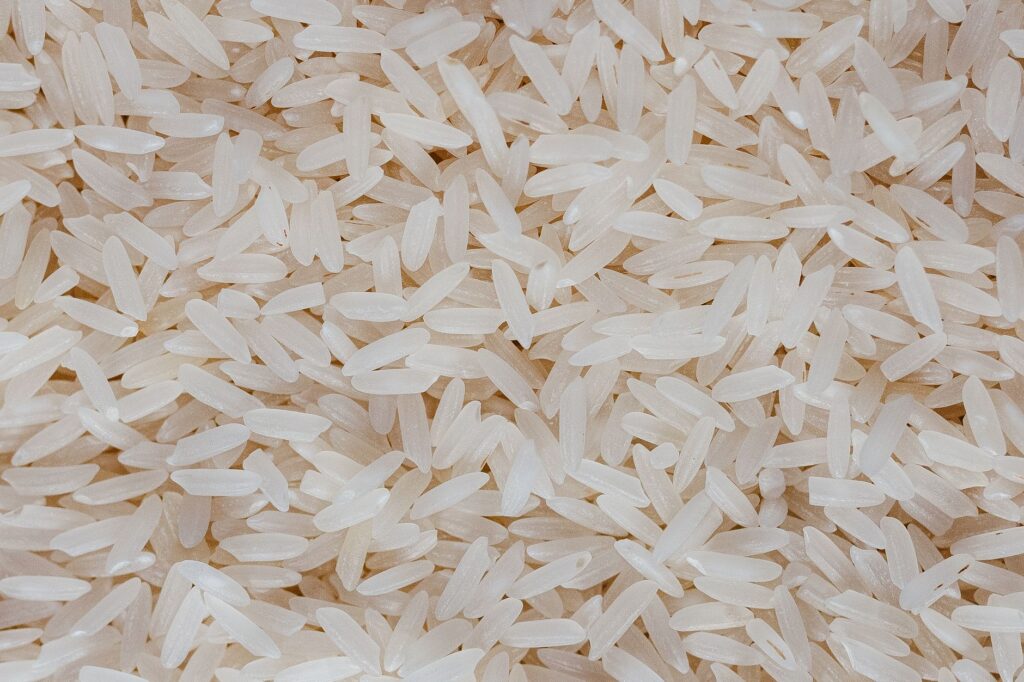
The Indian government has officially mandated a significant improvement in the quality of rice distributed through the Public Distribution System (PDS) to over 80 crore beneficiaries across the country. Effective immediately, the Ministry of Consumer Affairs has revised the broken rice limit for raw rice to 10%, down sharply from the previous 25% threshold. For par-boiled rice, the permissible limit for broken grains has been slashed to 5%, a substantial reduction from the earlier allowance of 16%.
This policy shift, implemented under the Pradhan Mantri Garib Kalyan Anna Yojana (PMGKAY), aims to ensure that the foodgrains reaching the nation’s most vulnerable populations meet higher nutritional and quality benchmarks. Government officials confirmed that while the quality standards are becoming more stringent, the overall volume of entitlements per household will remain unchanged.
Contextualizing India’s Food Security Infrastructure
The PDS serves as the backbone of India’s food security strategy, facilitating the distribution of subsidized foodgrains to low-income families. For decades, the Food Corporation of India (FCI) has managed the procurement and storage of these grains, balancing the logistical challenges of massive supply chains with the need for cost-effective distribution.
Previously, higher percentages of broken rice were permitted to accommodate varying milling standards and to manage surplus stocks efficiently. However, as dietary awareness grows and the government seeks to modernize welfare delivery, these legacy norms have faced increasing scrutiny. The decision to tighten these specifications reflects a broader administrative push toward improving the quality of life for beneficiaries rather than focusing solely on caloric quantity.
Operational Shifts and Supply Chain Impact
The transition to stricter quality norms requires immediate adjustments from rice millers and state procurement agencies. Milling processes must now be calibrated to minimize breakage, which may involve upgrading machinery or adopting more precise sorting technologies. Experts suggest that while this could initially increase operational costs for millers, it is expected to enhance the overall value proposition of the government-supplied grain.
Data from the Ministry of Consumer Affairs indicates that the move is designed to standardize the quality of foodgrains received by beneficiaries across different states, reducing the variability that previously existed in different regions. By setting a uniform, higher standard, the Centre aims to eliminate discrepancies in the quality of rice provided at ration shops, ensuring a consistent experience for all cardholders.
Industry and Beneficiary Perspectives
Agricultural economists view this policy change as a necessary step in the evolution of India’s welfare state. According to recent reports on food policy, the nutritional density of rice can be affected by the milling process, and reducing the proportion of broken grains helps maintain the structural integrity of the rice during cooking and storage.
For the average beneficiary, this change represents a tangible improvement in the quality of their daily diet. Advocates for food security have long argued that the quality of subsidized food should be on par with commercially available varieties to uphold the dignity of the recipients. By aligning these standards with modern milling capabilities, the government is addressing a long-standing grievance regarding grain quality.
Future Implications for Food Distribution
The long-term success of this initiative will depend on the rigorous enforcement of these new quality norms at the point of procurement and during the transit phase to ration shops. Observers will be watching to see how state governments and local authorities adapt their inspection protocols to ensure compliance with the new 10% and 5% limits.
Furthermore, the industry is bracing for potential shifts in the domestic rice market. As supply chains adapt to the higher quality requirement, there may be increased demand for modern milling equipment, potentially spurring investment in post-harvest technology. The government’s next challenge will be maintaining these quality levels during the monsoon season and ensuring that storage facilities prevent degradation of the higher-grade rice before it reaches the end user.