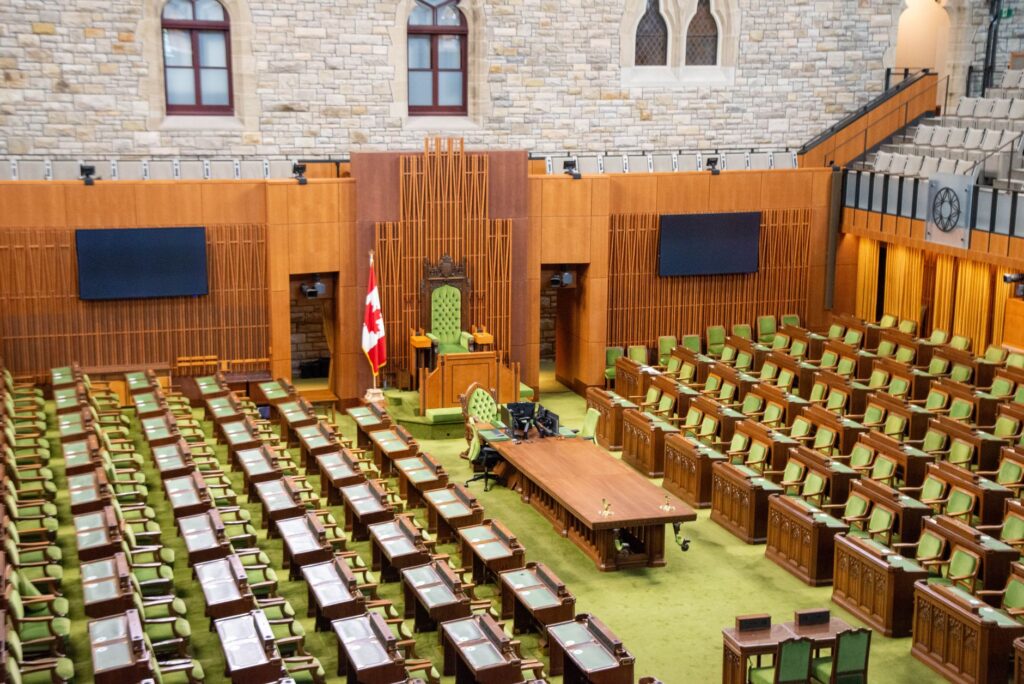

The functioning of a nation depends heavily on the legislative bodies tasked with creating laws, holding leaders accountable, and debating critical policies. When these institutions face constant interruptions, the consequences extend far beyond the political arena. Understanding parliamentary productivity and the true cost of lost time is essential for every citizen who relies on effective governance.
Defining Parliamentary Productivity
Legislative productivity is often measured by the amount of time spent discussing and passing bills, questioning the executive branch, and addressing matters of public importance. It is not merely about rushing through legislation to meet numerical targets. True productivity encompasses quality debate, thorough scrutiny of proposed laws, and bipartisan consensus building. When sessions are stalled or repeatedly adjourned, the entire legislative machinery grinds to a halt.
Recent Trends in Legislative Sessions
In recent years, legislative bodies across various democracies have witnessed a worrying downward trend in operational efficiency. Hours of valuable debate time are regularly lost to walkouts, protests, and procedural stalemates. Instead of engaging in constructive dialogue, political factions frequently resort to disruptions as a primary tool of expression. Consequently, fewer bills receive the detailed examination they require, and pressing national issues are sidelined in favor of political posturing.
The Impact on Democratic Institutions
Democracy thrives on transparency, debate, and accountability. When parliamentarians cannot or will not debate, the core pillars of democratic governance weaken. The executive branch may gain unchecked authority if the legislature fails to perform its oversight function properly. Furthermore, constant disruptions erode public trust in representative institutions. Citizens begin to view the legislature not as a serious forum for national progress, but as a theater for endless conflict and obstruction.
Why Citizens Should Care
Many people view parliamentary disruptions as distant political theater that has little bearing on their daily lives. However, this perception is far from accurate. Laws that directly affect taxation, healthcare, education, infrastructure, and public safety are shaped, debated, and finalized within these halls. When legislative time is wasted, vital reforms are delayed for months or even years. Issues requiring urgent financial allocation or regulatory updates languish, directly impacting the economic well-being and social security of ordinary taxpayers.
The Path Forward
Reviving the health of legislative bodies requires a concerted effort from all political actors and an engaged citizenry. Lawmakers must prioritize public interest over partisan friction, utilizing established rules for debate rather than disruption. At the same time, citizens must demand accountability and stay informed about how their elected representatives utilize legislative time. Only through renewed commitment to parliamentary norms can democracy deliver on its promise of responsive and effective governance.