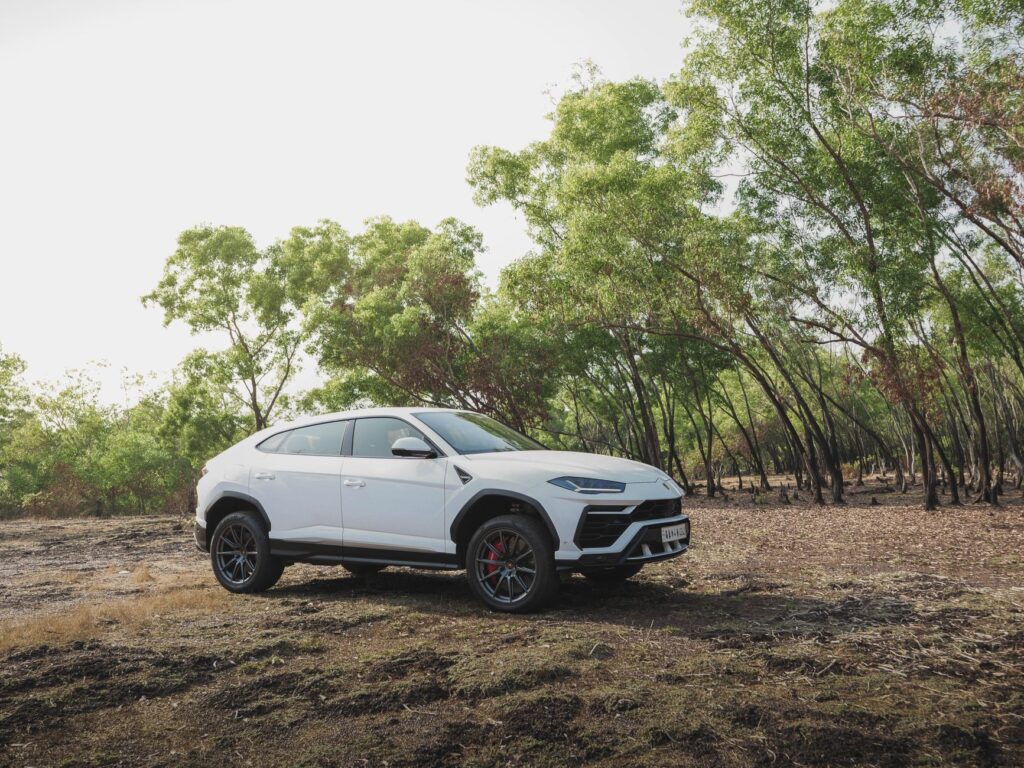

Automobili Lamborghini officially unveiled the Urus SE this week, a high-performance plug-in hybrid SUV that the Italian manufacturer claims is the fastest vehicle in its class. By integrating a 4.0-liter twin-turbo V8 engine with an electric powertrain, the Sant’Agata Bolognese-based company aims to set a new benchmark for speed and efficiency in the luxury automotive market.
The Evolution of the Super SUV
The original Urus, launched in 2018, served as a catalyst for Lamborghini’s record-breaking financial growth, quickly becoming the brand’s best-selling model. While the automotive industry has shifted aggressively toward full battery-electric vehicles (BEVs), Lamborghini has opted for a hybrid-first transition strategy.
The Urus SE marks a strategic departure from the pure internal combustion engines of its predecessors. This shift reflects Lamborghini’s broader ‘Direzione Cor Tauri’ electrification strategy, which commits the brand to hybridizing its entire lineup by the end of 2024.
Engineering the Hybrid Powerhouse
The Urus SE produces a combined output of 800 horsepower, a significant jump from the 666 horsepower found in the previous Urus S and Performante models. This power boost allows the vehicle to sprint from 0 to 62 mph in just 3.4 seconds, reaching a top speed of 195 mph.
The integration of a 25.9 kWh lithium-ion battery pack allows for a purely electric range of approximately 37 miles. This dual-nature performance enables the SUV to operate in near-silence in urban environments while maintaining the aggressive roar of a V8 on open roads.
Design updates include a refined hood, redesigned headlights featuring the brand’s signature ‘bull tail’ light signature, and improved aerodynamic efficiency. Engineers have also optimized the under-body air vents and air curtains to improve engine and component cooling by 15% compared to the previous model.
Industry Perspectives and Performance Metrics
Market analysts suggest that Lamborghini’s decision to prioritize plug-in hybrids over full electrification is a calculated move to preserve the ’emotional’ driving experience that defines the brand. Industry data from JATO Dynamics indicates that the luxury performance segment continues to favor hybrid powertrains over BEVs, largely due to weight constraints and charging infrastructure limitations.