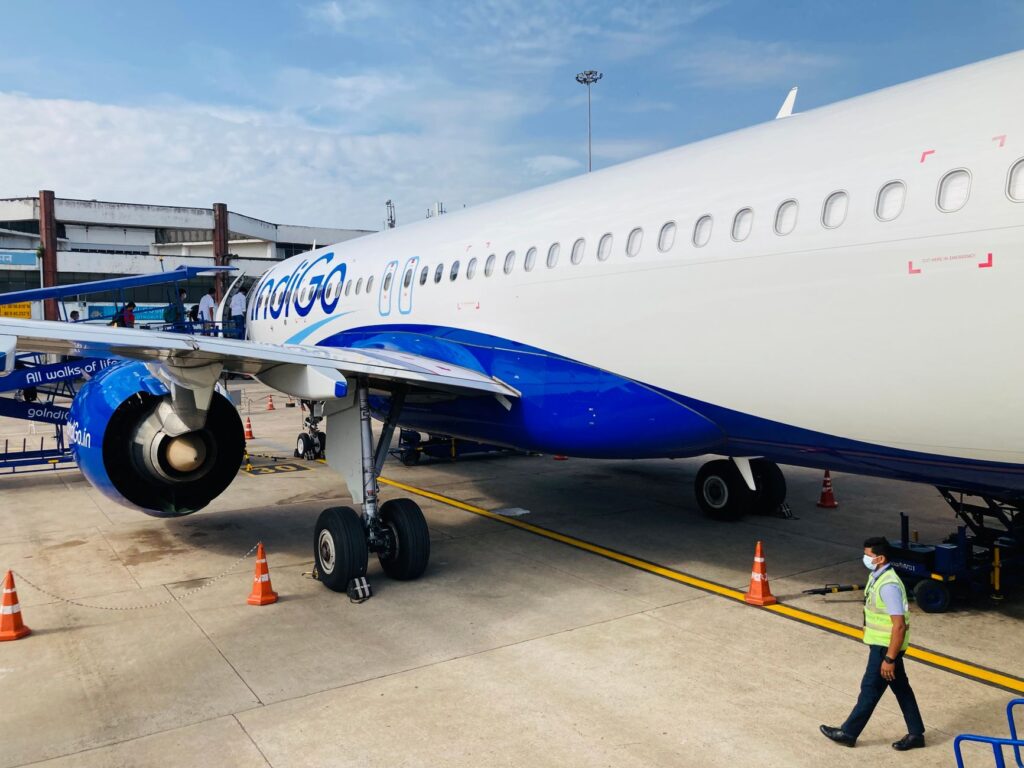

New Pricing Strategy for Indian Aviation
IndiGo, India’s largest airline, announced this week the launch of ‘IndiGo Lite,’ a new cabin baggage-only fare category designed to provide lower ticket prices for passengers traveling without checked luggage. The initiative will be available for booking on the airline’s website and mobile application starting July 1, with travel eligibility commencing on July 15 for both domestic and international routes.
Context of Unbundled Fares
The move follows a global trend of ‘unbundling’ airline services, where carriers strip away traditional amenities—such as checked bags or meals—to offer a lower base fare. For the Indian market, this strategy aims to compete with the growing demand for budget-friendly travel and to optimize cabin space by discouraging heavy luggage among short-haul flyers.
Operational and Competitive Impact
By incentivizing travelers to fly with only cabin baggage, IndiGo aims to streamline ground operations and reduce turnaround times. Efficient boarding and deplaning processes are critical for the airline’s business model, which relies on high aircraft utilization rates to maintain profitability in a highly competitive market.
Industry analysts suggest that this fare structure is a direct response to rising operating costs and the increasing price sensitivity of the post-pandemic traveler. According to aviation consultancy firm CAPA, domestic air passenger traffic in India has seen a robust recovery, but margins remain pressured by fluctuating fuel prices and intense competition.
Strategic Market Positioning
Data from the Directorate General of Civil Aviation (DGCA) indicates that IndiGo consistently holds over 60% of the domestic market share. By introducing the ‘Lite’ fare, the airline is effectively creating a new entry point for price-conscious customers who might otherwise opt for train travel or long-distance buses. The move mirrors strategies utilized by international low-cost carriers like Ryanair and AirAsia, which successfully utilized unbundled pricing to dominate their respective regions.
Looking Ahead
The long-term success of this initiative will depend on the clarity of the fare rules and the airline’s ability to manage customer expectations regarding baggage weight limits. Industry observers are now watching to see if rival carriers like Air India Express and Akasa Air will launch similar ‘no-frills’ products to prevent market share erosion. As July 15 approaches, the aviation industry will closely monitor the adoption rates of these new fares to determine if this model becomes the new standard for the Indian aviation sector.