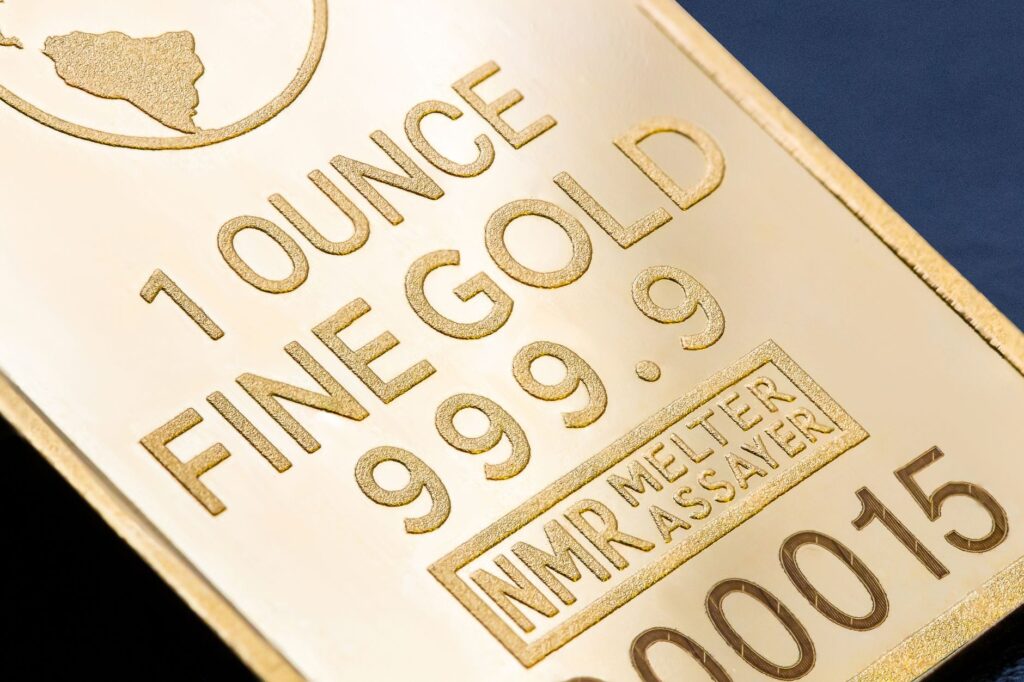

Market Dynamics And The Recent Gold Dip
Financial markets frequently experience periods of fluctuation, and precious metals are no exception to this rule. Recently, gold prices encountered a downward movement, prompting discussions among market participants regarding the future trajectory of the asset. While some investors might feel hesitant during periods of asset depreciation, major financial institutions often analyze these moments through a different lens. According to research notes from leading global bank Citi, the recent dip in gold prices should not be viewed as a cause for alarm. Instead, financial experts at the institution are framing this downward movement as an advantageous entry point for market participants wishing to acquire the precious metal at a more favorable valuation.
Understanding The Perspective From Citi
When prominent banking entities issue guidance on commodities, institutional and retail investors alike pay close attention. The analysis provided by Citi suggests that the fundamental drivers supporting gold remain intact despite the recent market pullback. Market corrections are a natural component of healthy financial cycles, allowing overextended valuations to reset before the next major trend takes shape. By evaluating macroeconomic conditions, currency fluctuations, and global demand, the analysts concluded that the current pricing levels offer a compelling risk-reward proposition. Rather than signaling a long-term bearish trend, the temporary price reduction is interpreted as a routine consolidation phase within a broader upward trajectory.
Key Drivers Supporting The Precious Metal
Several macroeconomic factors continue to provide a solid foundation for gold in the global financial landscape. Central banks around the world have maintained notable levels of reserve accumulation, purchasing the precious metal to diversify their holdings away from traditional fiat currencies. Additionally, persistent concerns surrounding global economic stability, inflationary pressures, and geopolitical tensions continue to enhance the appeal of safe-haven assets. When investors seek protection against market volatility and currency devaluation, gold historically serves as a reliable store of value. These enduring structural supports reinforce the rationale behind viewing short-term price weaknesses as strategic purchasing opportunities rather than permanent shifts in market sentiment.
Strategic Considerations For Investors
Approaching market dips requires careful planning and a disciplined strategy. While institutional forecasts provide valuable insights, individual investors must align their commodity exposure with their overall financial goals and risk tolerance. Financial advisors often recommend dollar-cost averaging or gradual accumulation during periods of price weakness to avoid the risks associated with trying to time the absolute bottom of the market. The recent pullback presents a scenario where cautious participants can build positions incrementally. By focusing on the long-term macroeconomic environment rather than daily price fluctuations, investors can better navigate market volatility and capitalize on the optimistic outlook presented by leading financial analysts.