



Expanding Trade Enforcement
The Trump administration has escalated its regulatory crackdown on international supply chains this week, intensifying investigations into goods suspected of being produced through forced labor. Federal agencies, acting under the authority of existing trade statutes, are now aggressively targeting imports that fail to meet strict ethical labor standards, signaling a shift toward more stringent border enforcement protocols.
Contextualizing Forced Labor Legislation
Federal law has long prohibited the importation of merchandise mined, produced, or manufactured by forced, indentured, or convict labor. Despite these established statutes, enforcement has historically fluctuated depending on political priorities and the complexity of global supply chains. Recent legislative updates have provided authorities with broader mandates to issue Withhold Release Orders (WROs), which allow Customs and Border Protection to detain shipments at the point of entry if there is reasonable suspicion of labor abuses.
The Current Regulatory Landscape
The administration’s current push centers on a multi-agency effort to audit manufacturing hubs that have previously escaped rigorous oversight. By leveraging sophisticated trade data and satellite imagery, federal investigators are identifying specific facilities linked to human rights concerns. This data-driven approach marks a departure from historical reliance on sporadic whistleblower reports, moving instead toward systematic industry-wide audits.
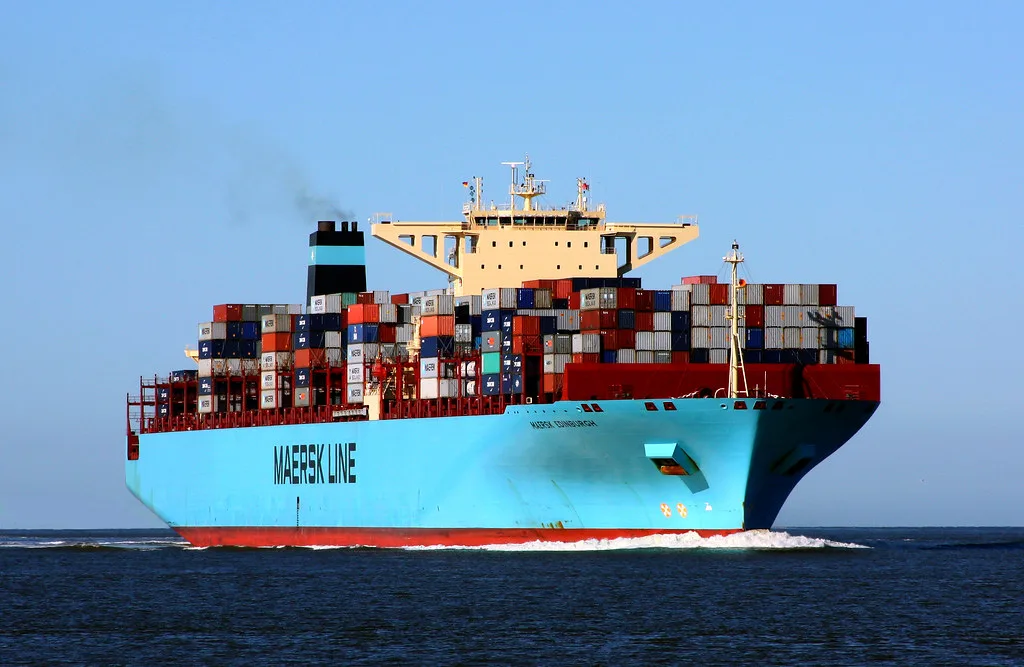
Economic analysts note that these actions are already causing ripple effects across global logistics. As shipping containers face increased scrutiny, companies are being forced to map their entire supply chains, often uncovering tiers of production that were previously opaque. This increased transparency is intended to ensure compliance but has also resulted in significant delays for importers unable to verify the origin of raw materials.
Expert Perspectives and Industry Data
Human rights organizations and nonprofit watchdogs have expressed cautious optimism regarding the heightened enforcement. Many advocates argue that while the current investigations are a necessary step, the administration must allocate more resources to the Department of Labor to ensure these bans are not merely performative. According to data from the International Labour Organization, millions of individuals remain trapped in forced labor scenarios globally, making the enforcement of trade barriers a critical lever for international pressure.
Economists from the Peterson Institute for International Economics suggest that while the bans aim to protect labor rights, they also introduce a layer of volatility into global trade markets. The challenge for businesses lies in the ‘rebuttable presumption’ standard, which places the burden of proof on the importer to demonstrate that their goods are free of forced labor. This shift in the burden of proof has transformed compliance from a backend administrative task into a front-line operational priority.
Future Implications for Global Trade
The immediate consequence for the industry is a necessary, albeit costly, restructuring of sourcing strategies. Firms are increasingly moving away from high-risk regions to jurisdictions with more transparent labor monitoring systems. This trend is expected to accelerate as the administration signals that it intends to broaden the scope of its inquiries into sectors ranging from textiles to advanced electronics.
Looking ahead, market participants should watch for potential expansion of these mandates into secondary markets and third-party logistics providers. As the government refines its investigative tools, the threshold for detention will likely drop, forcing companies to adopt blockchain or other digital verification technologies to maintain their market access. The long-term success of these policies will ultimately depend on whether the administration can maintain consistent enforcement without creating unsustainable disruptions in the domestic supply chain.