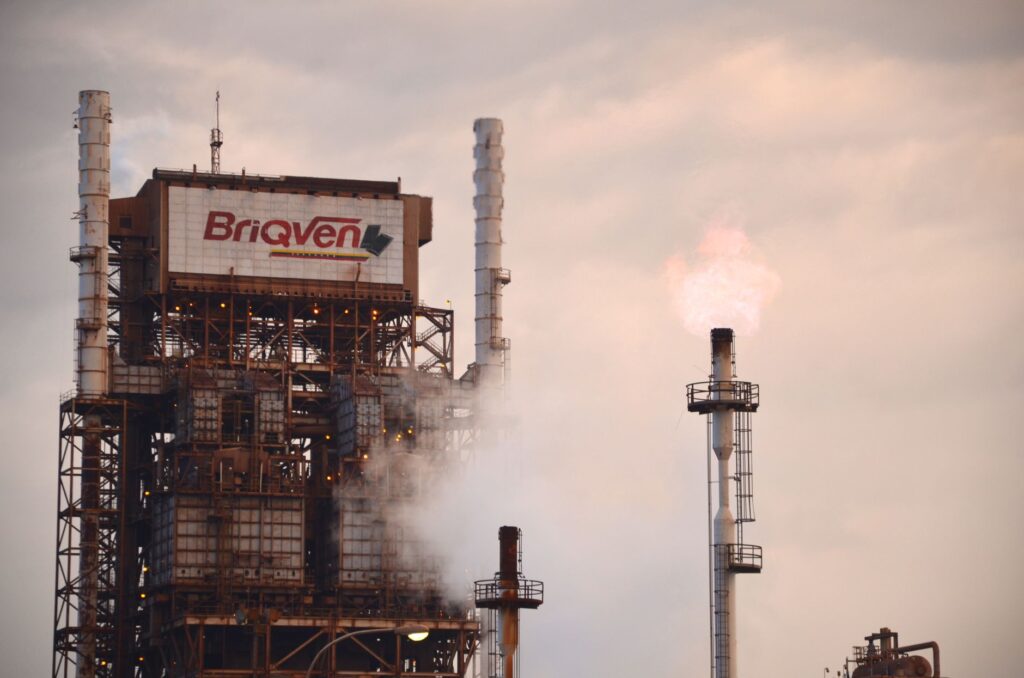

The Future of Venezuelan Energy
Global energy markets continue to monitor developments in South America closely as stakeholders evaluate the long-term prospects of regional petroleum production. Industry analysts and political figures frequently debate the conditions necessary to revive the massive reserves held by the nation. Long-term security for capital deployment remains a central topic of discussion among international corporations.
Democracy as a Foundation for Markets
A prominent political voice from the Venezuelan opposition recently emphasized that lasting reliability for global energy companies can only be achieved through a democratic administration. According to this perspective, political predictability forms the bedrock of any major industrial sector, particularly one as capital-intensive and geopolitically sensitive as petroleum extraction.
Without transparent governance and adherence to the rule of law, international firms face considerable risks regarding contract enforcement, regulatory changes, and asset security. Proponents of democratic reform argue that institutional stability reassures foreign partners that agreements will be honored across changing political cycles.
Overcoming Past Industry Challenges
Decades of economic shifts, nationalization policies, and international sanctions have taken a severe toll on the national petroleum infrastructure. Production levels currently sit well below historical peaks, requiring massive infusions of foreign capital and modern technology to restore operational capacity.
Restoring investor confidence requires more than simply lifting immediate operational restrictions. It demands a fundamental rebuilding of trust between the state and international corporations. Democratic institutions provide the necessary checks and balances to ensure that energy policies remain consistent and transparent.
Economic Implications for Global Markets
Revitalizing the petroleum sector in South America carries significant implications for global supply chains and price stability. As traditional suppliers navigate shifting geopolitical landscapes, access to alternative reserves becomes increasingly vital for industrialized economies.
However, unlocking this potential depends heavily on the political trajectory of the nation. Financial institutions and energy conglomerates are unlikely to commit the necessary resources without robust guarantees of legal protection and a stable operating environment.
Pathways Forward for International Stakeholders
Navigating the complexities of energy development in regions undergoing political transition requires a careful balance of diplomatic engagement and rigorous risk assessment. International firms must weigh the immense potential of massive petroleum reserves against the persistent challenges of regulatory uncertainty.
Ultimately, the consensus among market observers suggests that genuine economic recovery and sustained production growth cannot be decoupled from political reform. Establishing a transparent, democratic framework remains the most viable path toward securing the future of the nation’s energy sector.