





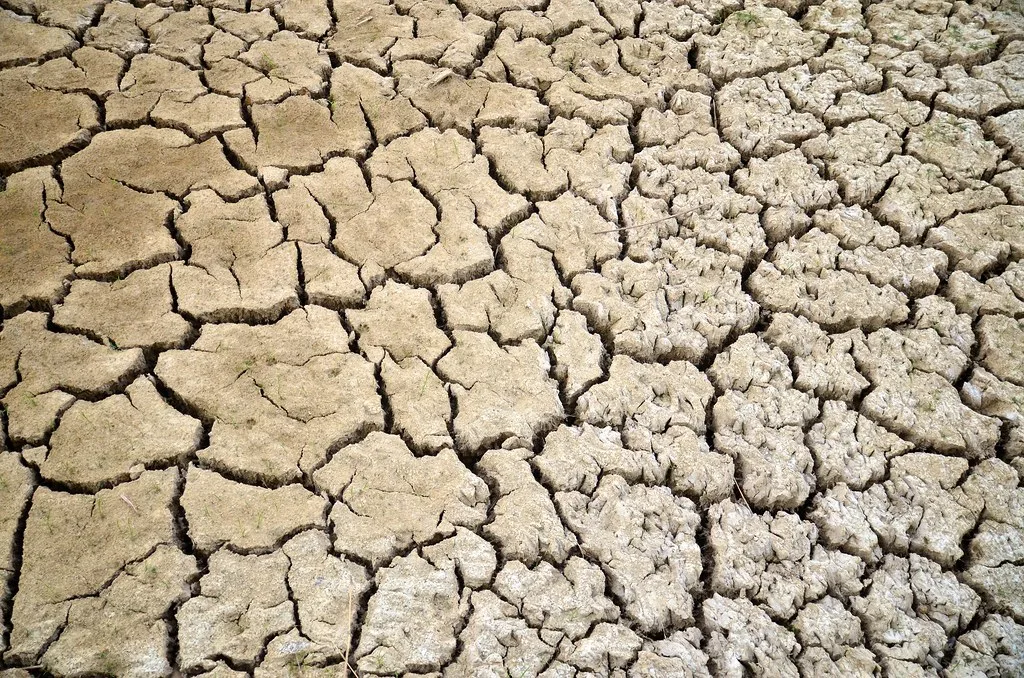
Prolonged Weather Patterns Threaten Seasonal Cycles
The India Meteorological Department (IMD) has issued a significant forecast indicating that the current El Niño climate pattern is likely to persist until January 2027. This prolonged phenomenon, characterized by the warming of surface waters in the central and eastern Pacific Ocean, threatens to disrupt rainfall patterns across the globe, with immediate implications for the upcoming kharif and rabi agricultural seasons.
Contextualizing the Climate Phenomenon
El Niño is a periodic climate event that occurs every two to seven years, significantly altering atmospheric circulation. Historically, these events are known to suppress monsoon activity in South Asia and shift precipitation patterns elsewhere, often leading to droughts in some regions and excessive flooding in others. While previous cycles typically lasted 9 to 12 months, the current scientific consensus points toward a multi-year duration, challenging existing agricultural planning models.
Impact on Agricultural Cycles
The potential extension of this climate anomaly poses a severe risk to food security and commodity pricing. The kharif season, which relies heavily on the arrival of the south-west monsoon, is particularly vulnerable to delayed or deficit rainfall. IMD officials have noted that the monsoon is expected to set in over the Andaman and Nicobar Islands between May 14 and 16, but sustained El Niño conditions could weaken the overall intensity of the seasonal rains.
Expert Perspectives and Meteorological Data
Climate experts emphasize that the persistence of such a long-term pattern complicates crop sowing cycles and water management strategies. According to data from international meteorological agencies, sea surface temperature anomalies have remained consistently high, suggesting a ‘locked’ state that defies typical cooling trends. Agricultural economists warn that if rainfall is significantly hampered, the output of essential staples—including rice, pulses, and oilseeds—could see a sharp decline, potentially triggering inflationary pressures in domestic and international markets.
Industry and Economic Implications
For the agricultural industry, this forecast necessitates a pivot toward climate-resilient farming techniques and drought-resistant crop varieties. Governments and private stakeholders are being urged to bolster water storage infrastructure and provide farmers with real-time, localized weather advisories to mitigate yield losses. The financial sector is also tracking these developments closely, as fluctuations in agricultural output directly influence food inflation indices and broader economic stability.
Future Outlook and Monitoring
Looking ahead, the primary focus for meteorologists and policymakers will be the tracking of oceanic-atmospheric coupling over the next six months. Sustained monitoring of the Pacific trade winds will be critical to determine if the pattern maintains its intensity or begins a gradual transition toward a neutral phase. Stakeholders should watch for subsequent IMD updates regarding the specific spatial distribution of rainfall, which will determine the severity of the impact on regional food production through the 2026-2027 cycle.