




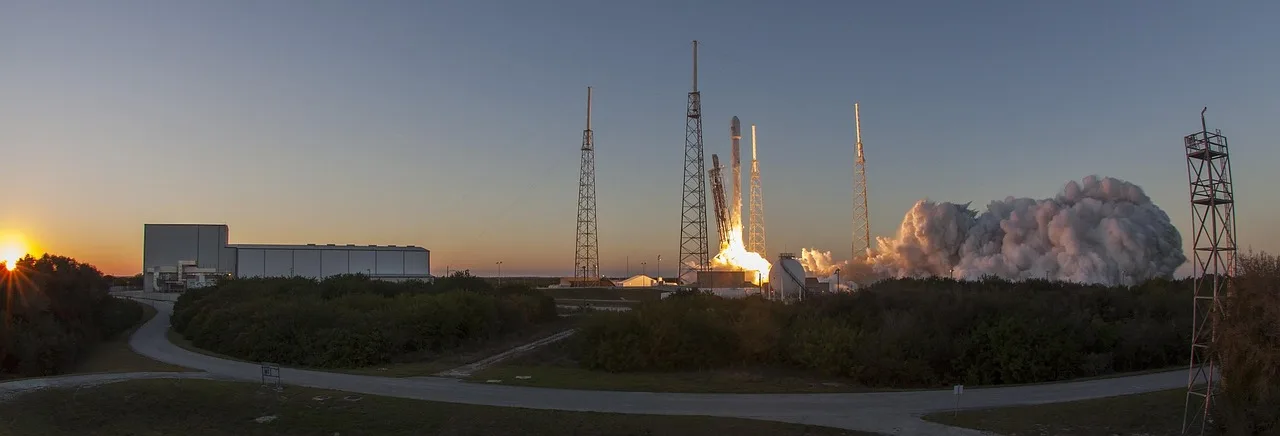
More than 70 residents of Cameron County, Texas, filed a federal lawsuit this week against SpaceX, alleging that the company’s Starship rocket launches at its Starbase facility have caused significant noise pollution, structural vibrations, and property damage. The plaintiffs, representing a coalition of local homeowners near the Boca Chica site, are seeking financial damages and increased accountability for the industrial impact on their community.
The Context of Starbase Operations
SpaceX’s Starbase facility, located on the remote tip of the Texas Gulf Coast, has become the primary testing and launch site for the company’s massive Starship rocket system. Since the site’s rapid expansion in 2019, the proximity of these heavy-lift launches to residential areas has sparked ongoing friction between the aerospace giant and local inhabitants.
The Federal Aviation Administration (FAA) oversees the environmental impact assessments for the site, which have been subject to multiple public reviews. Despite these regulatory hurdles, the cadence of engine tests and full-stack launches has accelerated, intensifying the environmental and physical disturbances experienced by nearby residents.
The Allegations and Impact
The lawsuit details a pattern of grievances, primarily focusing on the intense acoustic energy generated during liftoffs. Plaintiffs claim that the shockwaves from the Raptor engines have caused cracked windows, damaged drywall, and compromised structural integrity in homes located miles from the launchpad.
Beyond physical damage, the residents highlight the disruption of local ecosystems and the quality of life in the coastal region. The filing asserts that the sheer frequency of operations prevents the community from enjoying their property and poses risks to the fragile barrier island environment that surrounds the facility.
Expert Perspectives and Data
Acoustic experts frequently note that the decibel levels produced by the Starship Super Heavy booster are among the highest of any human-made machine. While SpaceX has implemented sound suppression systems, including a massive water deluge system, the energy displacement remains immense.
Legal analysts suggest that this litigation mirrors historical tensions between industrial development and rural land rights. The outcome of this case may hinge on whether the plaintiffs can successfully link specific structural failures directly to the seismic vibrations generated during the launch sequences, a process that typically requires extensive forensic engineering reports.
Future Implications for Private Spaceflight
This legal challenge arrives at a critical juncture for the commercial space industry. As companies like SpaceX push for more frequent, high-cadence launch schedules to meet ambitious lunar and Martian exploration goals, the regulatory environment surrounding launch sites is likely to tighten.
Industry observers are watching to see if this lawsuit sets a precedent for how private space companies interact with local communities. If the court rules in favor of the homeowners, it could force SpaceX to invest in more robust mitigation strategies or potentially force the relocation of certain high-intensity testing operations to more isolated facilities.
Moving forward, the industry will likely face increased scrutiny regarding environmental impact statements and public outreach efforts. Observers should monitor upcoming FAA permit hearings and the discovery phase of this lawsuit to see if further evidence of environmental degradation emerges, which could fundamentally alter the operational trajectory of the Starbase site.