



New Connectivity Milestone
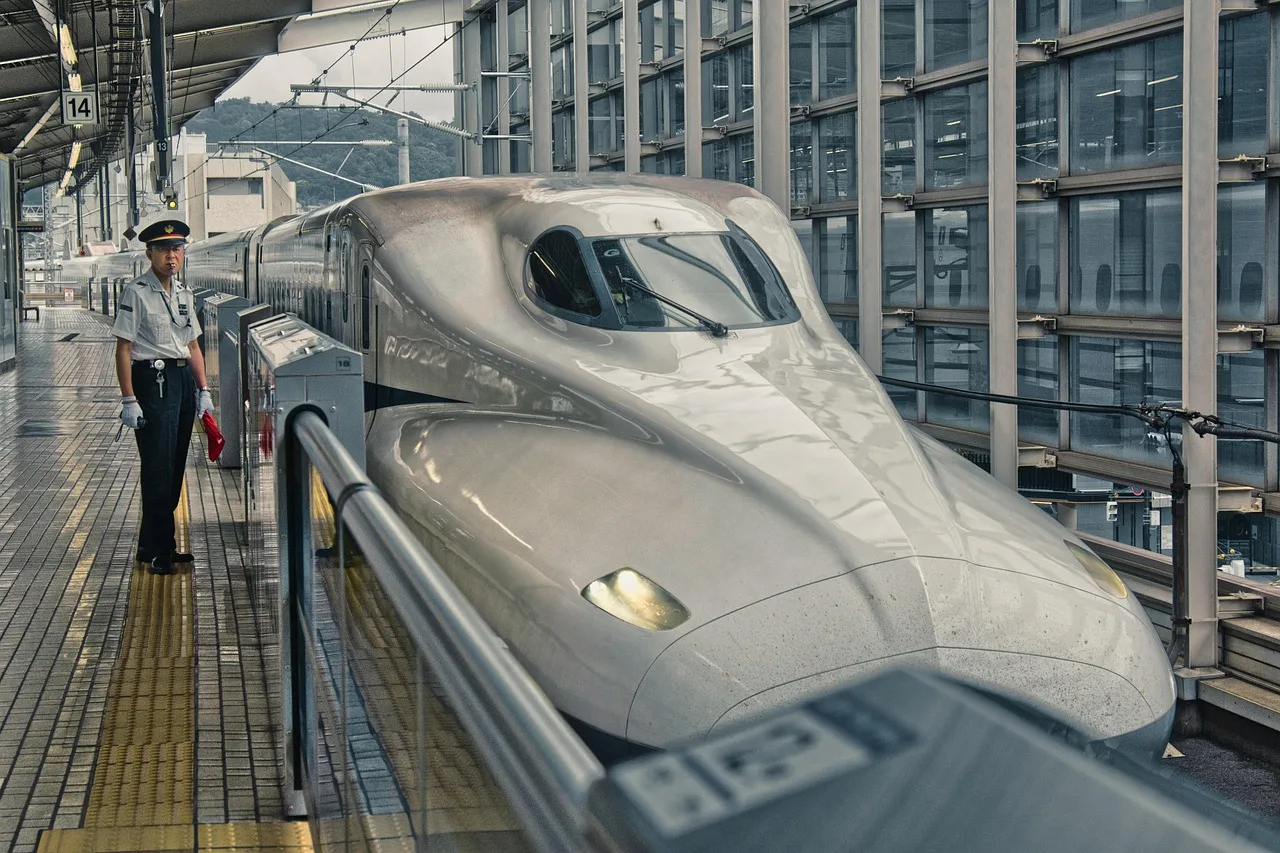
Railway Minister Ashwini Vaishnaw will officially flag off the high-speed Vande Bharat Express connecting Jammu to Srinagar today, marking a significant expansion of the rail network in northern India. The inaugural service launches a new era of connectivity for the Union Territory of Jammu and Kashmir, with regular commercial operations scheduled to commence on May 2.
Strategic Context and Infrastructure
The introduction of the Vande Bharat service follows years of massive investment in the Udhampur-Srinagar-Baramulla Rail Link (USBRL) project. This engineering feat, which traverses some of the most challenging mountainous terrain in the Himalayas, aims to integrate the Kashmir Valley more closely with the rest of the country.
The route features extensive tunnels and high-altitude bridges, designed to withstand extreme weather conditions. By providing a reliable, all-weather link, the government seeks to bolster regional economic development and tourism.
Operational Details and Passenger Experience
The Vande Bharat Express is known for its modern amenities, including automatic doors, GPS-based passenger information systems, and regenerative braking systems. These trains are designed to reduce travel time significantly compared to existing conventional rail and road transport options in the region.
Railway officials confirmed that the train will adhere to a strict schedule, aiming to provide commuters and tourists with a safer and more comfortable alternative to the often-treacherous highway routes. The introduction of this service is part of the Indian Railways’ broader initiative to modernize the national fleet with indigenous, semi-high-speed rolling stock.
Expert Perspectives
Infrastructure analysts note that the rail link is a game-changer for logistics and supply chain stability in the valley. According to recent data from the Ministry of Railways, the focus on rail expansion in the region has already seen a 15% increase in transit efficiency for essential goods.
“This connection is not just about passenger comfort; it is a vital economic artery,” said transport consultant Dr. Arvind Mehra. “Reliable rail access lowers the cost of goods and encourages private investment in local manufacturing and hospitality sectors.”
Future Implications
The successful launch of the Jammu-Srinagar route sets the stage for further expansion of high-speed rail services across mountainous corridors in India. Industry observers will be watching the passenger occupancy rates and operational performance metrics closely in the coming months.
The ministry is also expected to evaluate the potential for extending these services to include night-time operations and additional stops, depending on demand. As connectivity improves, the long-term impact on the regional economy could be substantial, potentially transforming the valley into a major hub for year-round domestic and international tourism.