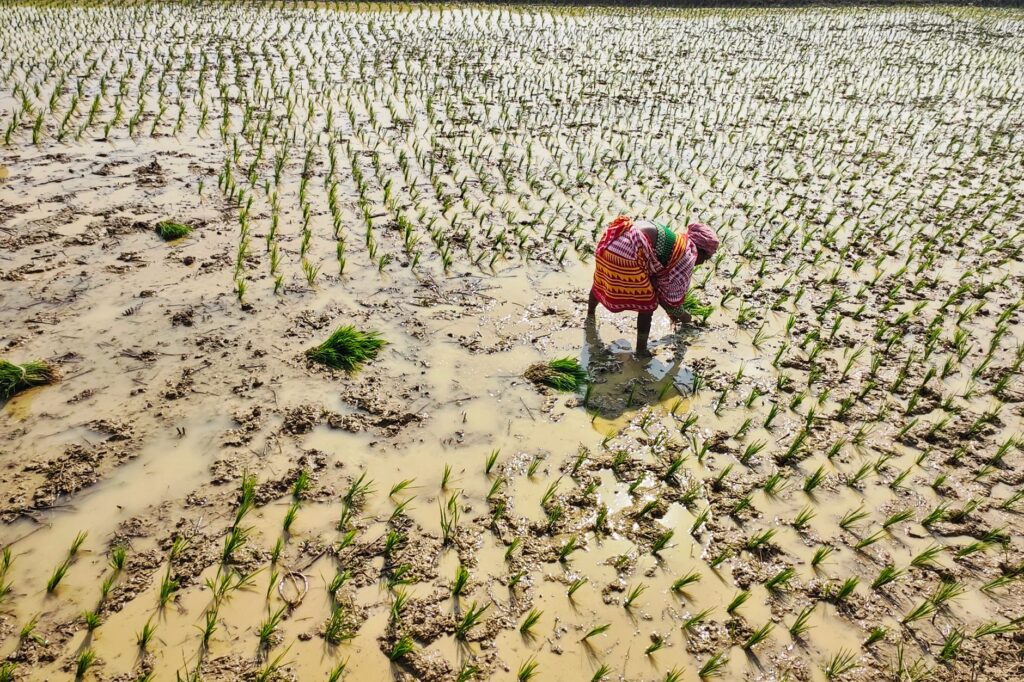

Agricultural Outlook Amid Monsoon Variability
India’s domestic rice prices remain insulated from the immediate threat of a weak monsoon, according to insights from Professor Ramesh Chand of ICRIER and agricultural expert Harish Damodaran. Despite the strengthening of El Niño conditions, robust buffer stocks and expanded irrigation infrastructure are expected to shield the staple grain’s output throughout the current fiscal year.
However, while rice supplies appear secure, the broader national inflation outlook faces new pressures. Experts warn that rain-fed crops, specifically pulses, soybeans, and oilseeds, remain highly vulnerable to erratic rainfall patterns, which could push overall retail inflation above the 6% threshold.
Contextualizing the Monsoon Impact
The monsoon is the lifeblood of India’s agrarian economy, accounting for over 70% of the country’s annual rainfall. In recent decades, heavy investments in irrigation projects and the proliferation of tube wells have significantly reduced the sector’s total reliance on seasonal rains.
This infrastructural shift has decoupled rice production from minor rainfall deficits. Nevertheless, the reliance on monsoon-dependent sowing for non-cereal crops persists, creating a bifurcated risk landscape for the domestic market.
The Vulnerability of Oilseeds and Pulses
While the government maintains significant reserves of rice and wheat, the same level of security does not extend to edible oils and pulses. Professor Chand notes that these commodities are more sensitive to moisture stress during the critical vegetative growth phases.
Data indicates that a deficit in rainfall across key producing states like Madhya Pradesh and Maharashtra could lead to lower yields for oilseeds. Because India imports a significant portion of its edible oil requirements, any domestic supply shortfall typically forces a reliance on international markets, where price volatility is often amplified by currency fluctuations and global supply chain disruptions.
Economic Implications and Inflationary Pressures
The potential for inflation to breach the 6% mark is primarily driven by the volatility in food prices. Food accounts for nearly half of the Consumer Price Index (CPI) basket, making it the most significant variable for the Reserve Bank of India’s monetary policy decisions.
If edible oil prices climb due to poor domestic harvests, the resulting increase in household expenditure will likely suppress discretionary spending. This creates a challenging environment for policymakers who must balance the need for growth with the imperative of price stability.
Monitoring Future Developments
Market analysts are closely watching the progress of the late-season rains and the government’s procurement strategies. Should the El Niño effect intensify, the focus will likely shift toward import duty adjustments for edible oils to cool domestic prices.
Investors and stakeholders should monitor the upcoming crop production estimates for pulses and oilseeds, as these will serve as the primary indicators for potential inflationary spikes in the final quarter of the year. The effectiveness of government intervention in managing market supply chains for non-cereal staples will determine whether inflation remains within the central bank’s comfort zone or drifts toward higher levels.