
The Landscape of Preventative Healthcare Technology
Consumer interest in personal wellness has reached unprecedented levels across the United States. Individuals are increasingly taking charge of their personal well-being by monitoring various daily metrics. This cultural shift towards proactive health management relies heavily on advanced consumer electronics.
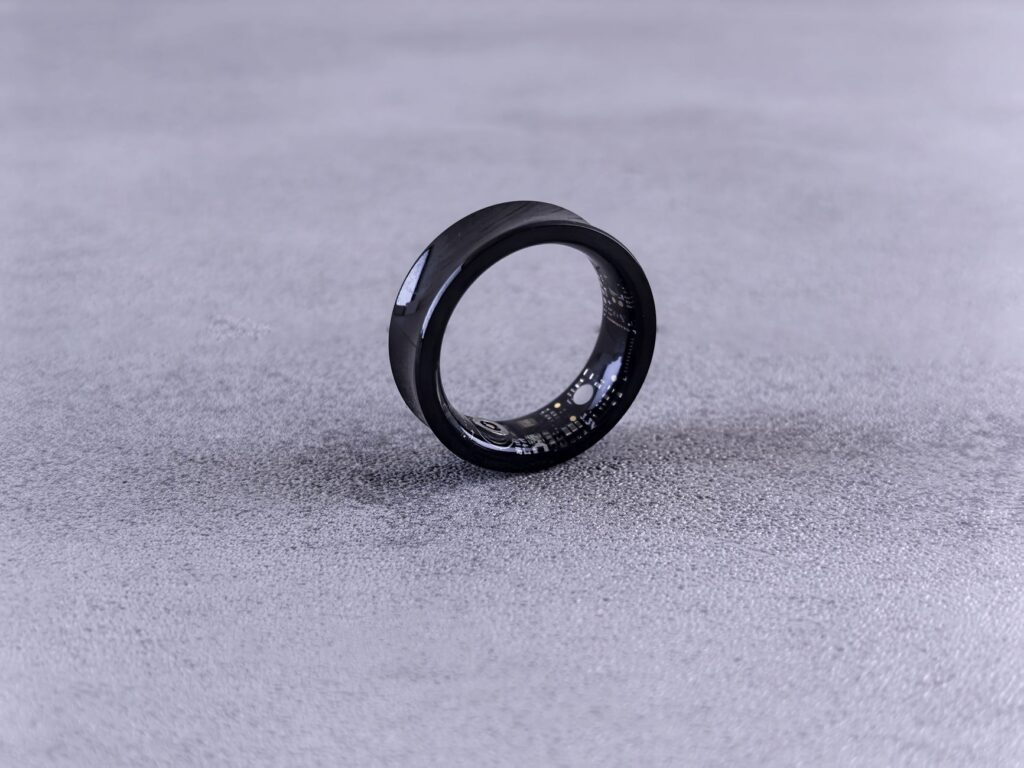
Smart rings and fitness bands have transformed how people view their daily routines. Users continuously monitor metrics such as deep sleep duration, daily step counts, and resting heart rates. By keeping a close eye on these physical indicators, consumers aim to catch potential health issues before they escalate into serious medical conditions.
The Rise of Smart Rings in Public Markets
Capitalizing on this sustained consumer fascination, leading health tech manufacturers are making moves toward public markets. Filing for an initial public offering represents a major milestone for companies operating within the digital wellness sector. Market analysts note that investor appetite for innovative health devices remains robust.
The public offering reflects a broader market trajectory where technology intersects directly with everyday wellness. Consumers are willing to invest personal capital into hardware and software ecosystems that provide deep insights into their biological data. This trend has established a lucrative new asset class within the broader technology sector.
Shifting Consumer Habits and Health Literacy
Public obsession with physical tracking goes beyond simple fitness goals. Users now view comprehensive biometric tracking as a fundamental component of modern lifestyle management. Better access to continuous data allows individuals to make informed decisions regarding their diet, rest periods, and physical exertion.
Healthcare professionals observe that patients arrive at consultations with extensive personal data collected from their smart devices. This heightened level of health literacy fosters collaborative discussions between doctors and patients. Wearable technology essentially bridges the gap between clinical observation and daily lifestyle choices.
Future Outlook for Wearable Health Devices
As the market matures, manufacturers face the challenge of maintaining user engagement while introducing advanced diagnostic capabilities. Competitors continue to refine their algorithms to deliver more precise physiological readings. The success of upcoming public offerings will likely influence how much capital flows into the preventative healthcare tech sector moving forward.
Ultimately, the integration of biometric monitoring into daily life appears to be a permanent fixture of modern society. Companies that successfully translate complex physiological data into actionable insights are well-positioned to capture sustained market demand. The ongoing public enthusiasm for self-tracking ensures that the wearable technology industry will remain a dominant economic force for years to come.