





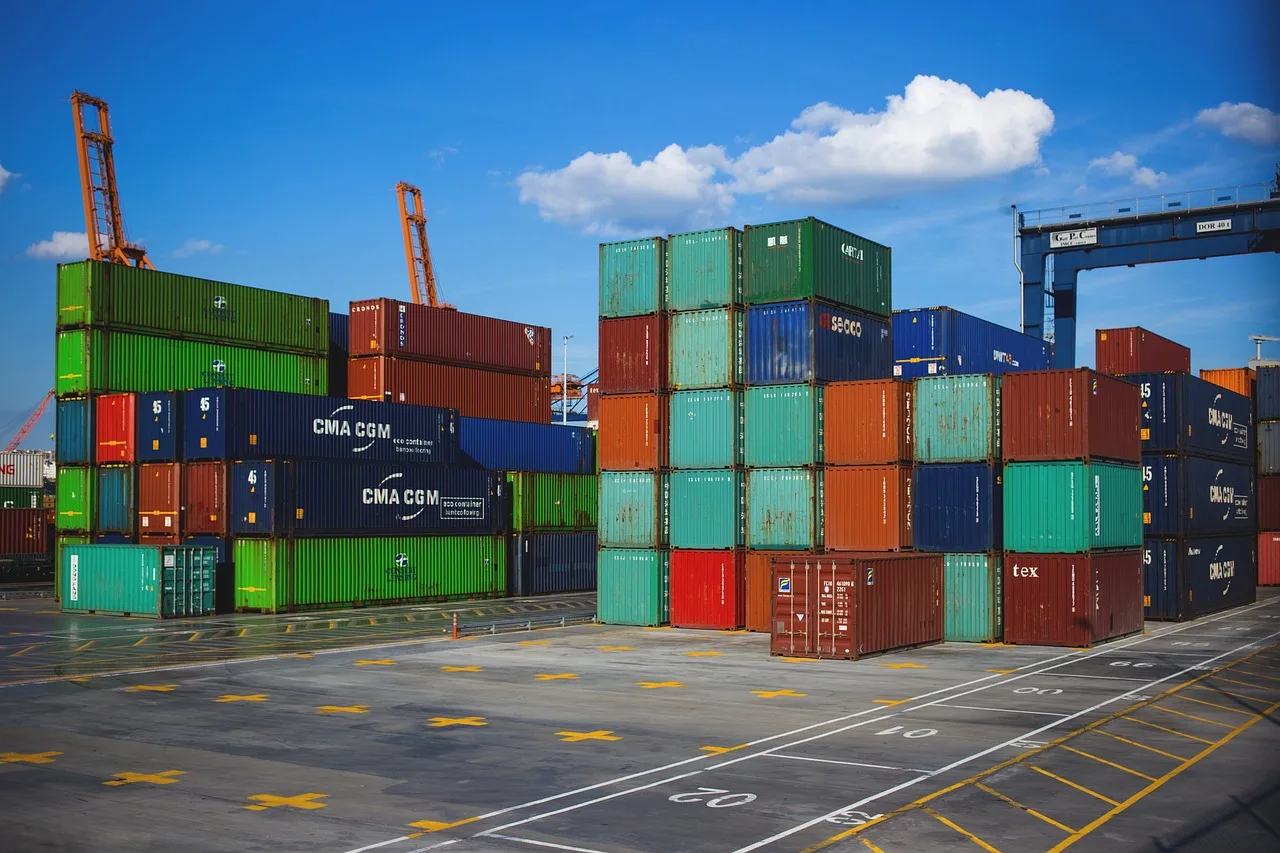
Beginning this Monday, U.S. importers—including retail giants like Walmart and Target—can officially file claims for billions of dollars in tariff refunds through a newly launched government portal. This process marks the resolution of years of legal disputes regarding Section 301 tariffs imposed on Chinese-made goods, providing a significant financial boost to companies that have spent years navigating complex trade litigation.
The Context of Trade Litigation
The refunds stem from a protracted legal battle concerning the third and fourth tranches of tariffs imposed by the U.S. Trade Representative (USTR) under the previous administration. In 2022, the U.S. Court of International Trade ruled that the government failed to follow proper administrative procedures when implementing these specific duties.
While the government initially fought to retain the revenue, subsequent settlements and court orders have paved the way for importers to recoup paid duties. The launch of the digital filing portal represents the final administrative hurdle in a process that has seen over 3,000 lawsuits filed by various industry participants.
Scope of the Financial Impact
Industry analysts estimate that the total pool of refundable tariffs could reach into the billions. Because the refund process is retroactive, companies that maintained meticulous shipping records and filed timely protests are poised to receive the largest payouts.
Retailers have long argued that these tariffs functioned as an additional tax on consumers, forcing them to either absorb the costs or pass them on via higher shelf prices. Retail trade groups, including the National Retail Federation, have consistently highlighted the burden these duties placed on supply chain stability during the post-pandemic recovery period.
Expert Perspectives and Economic Data
Trade economists note that while the refunds provide a welcome liquidity injection for retailers, they also signal a complex shift in trade policy. “This is not just about a check in the mail; it is about the long-term recognition of procedural errors in trade enforcement,” said Dr. Elena Rossi, a senior fellow at the Institute for International Trade.
Data from the U.S. Customs and Border Protection (CBP) indicates that the volume of contested entries spans thousands of product categories, ranging from consumer electronics to home goods and apparel. The complexity of the claims process means that many smaller importers may struggle to navigate the portal without specialized legal or customs brokerage assistance.
Industry Implications and Future Outlook
For the retail industry, the primary implication of these refunds is a potential easing of balance sheet pressures. As companies face ongoing inflationary headwinds and shifting consumer spending patterns, these unexpected capital inflows could be redirected toward supply chain diversification or price stabilization efforts.
Market observers are now watching to see if these refunds will influence future trade negotiations or lead to a broader reassessment of the current tariff regime. The next critical development to monitor will be the pace at which the government processes these claims, as any bureaucratic bottlenecks could delay the expected impact on corporate earnings reports for the upcoming fiscal quarter.