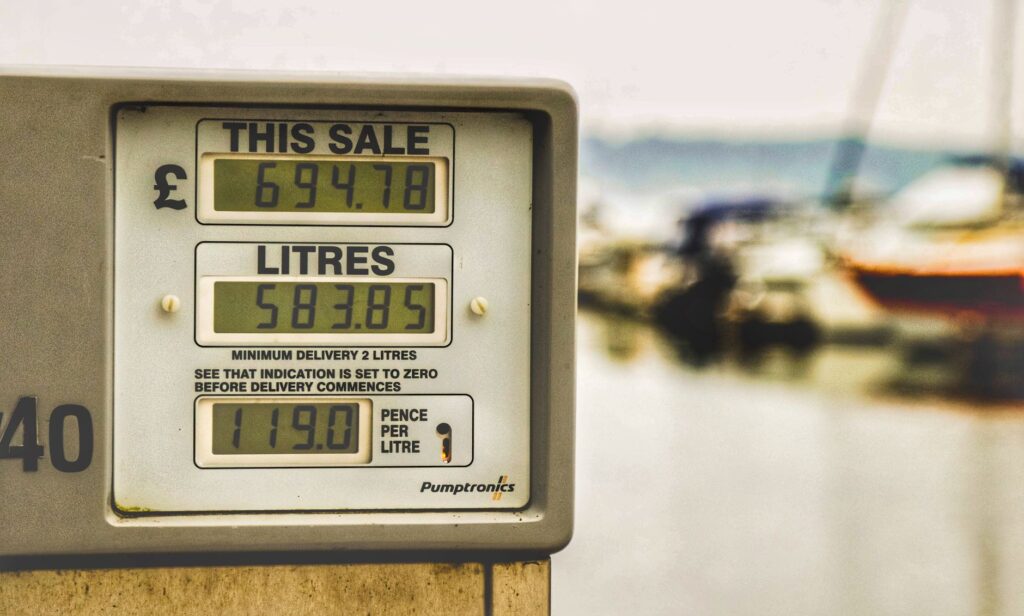

Crude oil markets experienced a notable upward movement recently, driven primarily by escalating geopolitical friction within the Middle East. Traders and analysts are closely monitoring the region as heightened instability threatens to disrupt vital petroleum supply chains. The market reaction reflects persistent anxiety over potential interruptions to global energy flows, prompting a swift response across major trading hubs.
Understanding Market Dynamics
The recent upward trajectory in petroleum valuations underscores the extreme sensitivity of global energy markets to geopolitical developments. Whenever unrest flares up in key producing territories, financial markets immediately reprice risk. Investors factor in the worst-case scenarios, including physical damage to extraction infrastructure, blockades of critical shipping lanes, and retaliatory measures that could throttle export volumes.
Supply Chain Vulnerabilities
The Middle East remains a cornerstone of global energy supply, accounting for a substantial share of daily worldwide petroleum output. Any threat to security in this area instantly translates into heightened operational risk for multinational energy corporations and shipping fleets. Critical maritime choke points, which facilitate the movement of millions of barrels of crude daily, are focal points for traders assessing potential logistical bottlenecks.
Economic Implications for Consumers
As wholesale crude valuations increase, the ripple effects are frequently felt by everyday consumers and industrial users alike. Higher input costs for fuel and energy filter through the broader economy, influencing transportation expenses, manufacturing overhead, and inflation metrics. Central banks and policymakers monitor these commodity shifts carefully, as sustained energy price increases can complicate broader monetary policy objectives and economic growth forecasts.
Outlook for Energy Markets
Looking ahead, market participants expect volatility to remain a defining characteristic of the energy sector. Until diplomatic resolutions or tangible de-escalation measures materialize in the region, petroleum prices will likely stay responsive to daily news updates. Traders will continue weighing supply fundamentals against geopolitical risk premiums, ensuring that energy markets remain highly dynamic in the near term.