
India and Belgium have officially entered into a strategic memorandum of understanding designed to broaden bilateral cooperation within the renewable energy sector. This new diplomatic and economic pact concentrates heavily on advancing sustainable technologies, enhancing energy security, and driving joint efforts toward global decarbonization goals. By joining forces, both nations intend to leverage their respective industrial strengths to accelerate the transition away from fossil fuels and build resilient supply chains for the future.
Strategic Focus Areas for Sustainable Growth
The newly established framework targets several vital pillars of the modern green economy. Among the primary sectors highlighted in the agreement are green hydrogen development, offshore wind energy generation, and the secure sourcing of critical minerals. Officials from both countries recognize that these components are indispensable for powering clean industries, reducing greenhouse gas emissions, and achieving long-term climate objectives set by international agreements.
Advancing Green Hydrogen and Offshore Wind
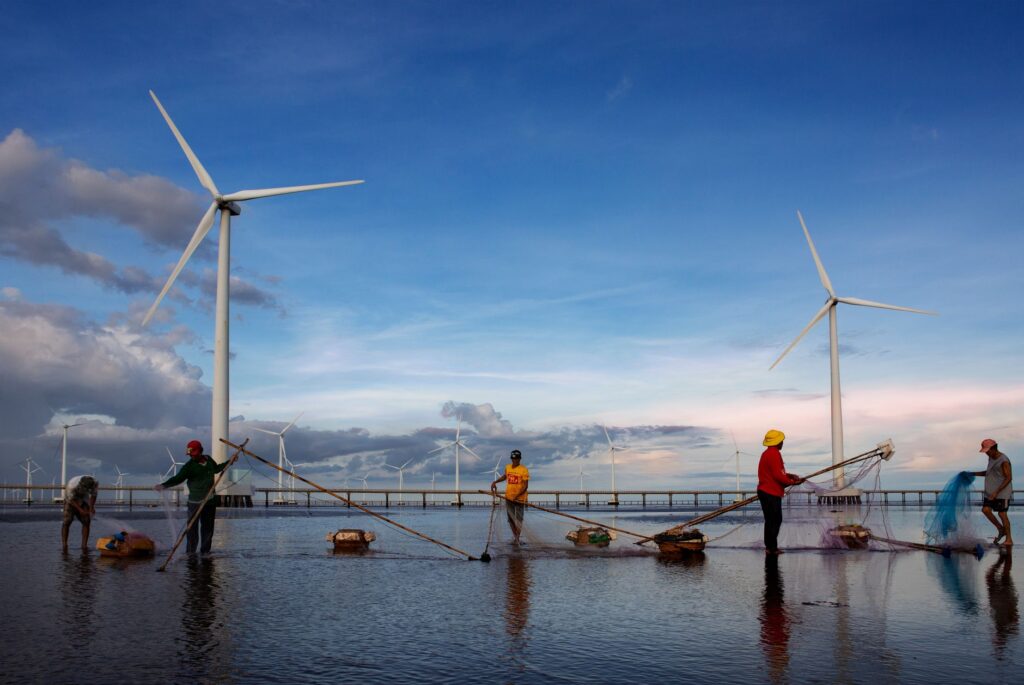
Green hydrogen stands out as a cornerstone of this collaborative effort. As heavy industries seek viable alternatives to traditional carbon-heavy fuels, hydrogen produced from renewable sources offers a promising pathway to industrial decarbonization. Simultaneously, expertise in offshore wind technology will allow both governments to harness coastal resources more efficiently. By sharing technical knowledge and engineering capabilities, India and Belgium hope to scale up their respective renewable generation capacities significantly.
Securing Critical Minerals and Supply Chains
Transitioning to a green economy requires vast quantities of specialized raw materials. The partnership addresses this challenge by prioritizing supply chain resilience and cooperation regarding critical minerals. Ensuring a stable and sustainable flow of these essential elements is crucial for manufacturing electric vehicles, advanced batteries, and various renewable energy systems. Through this agreement, both countries aim to mitigate supply chain vulnerabilities and foster a stable economic environment for clean tech manufacturing.
Boosting Joint Technology Initiatives
Beyond immediate resource sharing, the pact emphasizes collaborative research and development. Joint technology initiatives will enable scientists, engineers, and industry leaders from both nations to work side by side on innovative energy solutions. This collaborative approach is expected to speed up the commercialization of next-generation clean technologies, making sustainable energy more affordable and accessible on a global scale.
Looking Ahead to a Clean Energy Future
This memorandum of understanding marks a significant milestone in bilateral relations between India and Belgium. By aligning their policy objectives and industrial capabilities, both nations are well-positioned to make meaningful contributions to the global fight against climate change. As implementation begins, the partnership will likely serve as a model for international cooperation in the pursuit of a sustainable and secure energy future.