
Market Overview
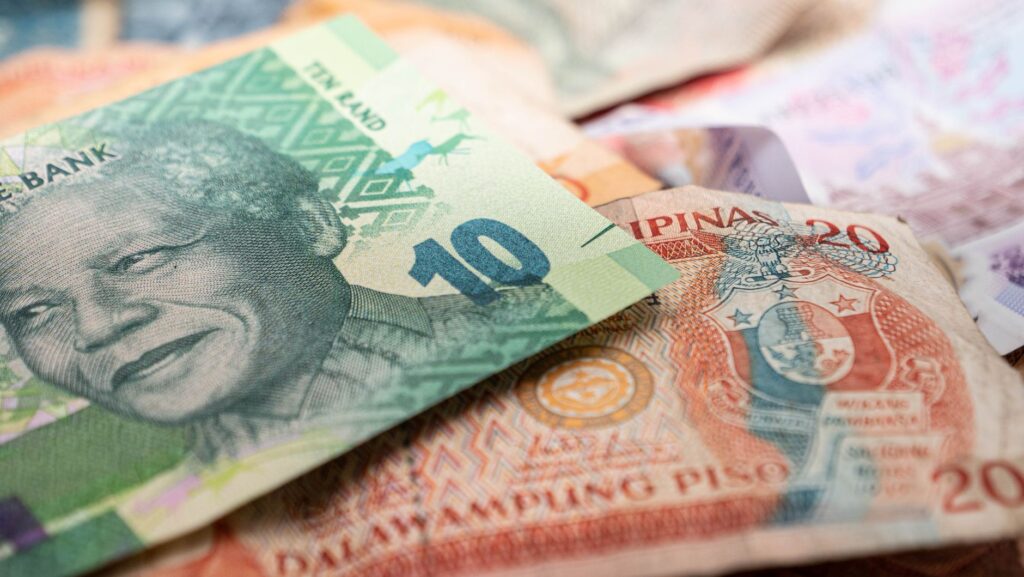
The South African rand experienced an upward trajectory during recent trading sessions, bolstered by a softening United States dollar and strengthening global commodity prices, particularly gold. Currency analysts closely monitored these macroeconomic shifts, noting how external pressures continue to dictate the local currency’s movement on international foreign exchange markets.
Global Currency Dynamics
The primary catalyst for the rand’s appreciation was the broad retreat of the US dollar across major currency pairs. Investors reevaluated their positions following recent economic data releases from the United States, prompting a reassessment of future interest rate trajectories by the Federal Reserve. A weaker dollar inherently reduces pressure on emerging market currencies, allowing units like the South African rand to regain lost ground.
Commodity Market Influence
Beyond currency market adjustments, the South African economy found robust support in the commodities sector. Gold prices surged on international exchanges as safe-haven demand increased among global investors. Given that South Africa remains one of the world’s prominent precious metals producers, higher bullion valuations directly translate to improved export revenues and heightened investor sentiment toward domestic assets.
Domestic Economic Outlook
Local financial markets continue to navigate a complex environment shaped by domestic fiscal policies and international trade conditions. While currency gains offer temporary relief regarding imported inflation, policymakers remain vigilant about broader structural challenges. Sustained economic momentum will likely depend on domestic reforms, energy reliability, and steady global demand for the nation’s primary exports.
Investor Sentiment and Future Trends
Market participants maintain a cautious yet optimistic stance regarding the near-term outlook for the South African rand. Currency performance will heavily rely on upcoming macroeconomic indicators from both the domestic front and major international economies. As commodity markets fluctuate and central banks adjust monetary stances, the rand is expected to experience continued volatility in line with broader emerging market trends.