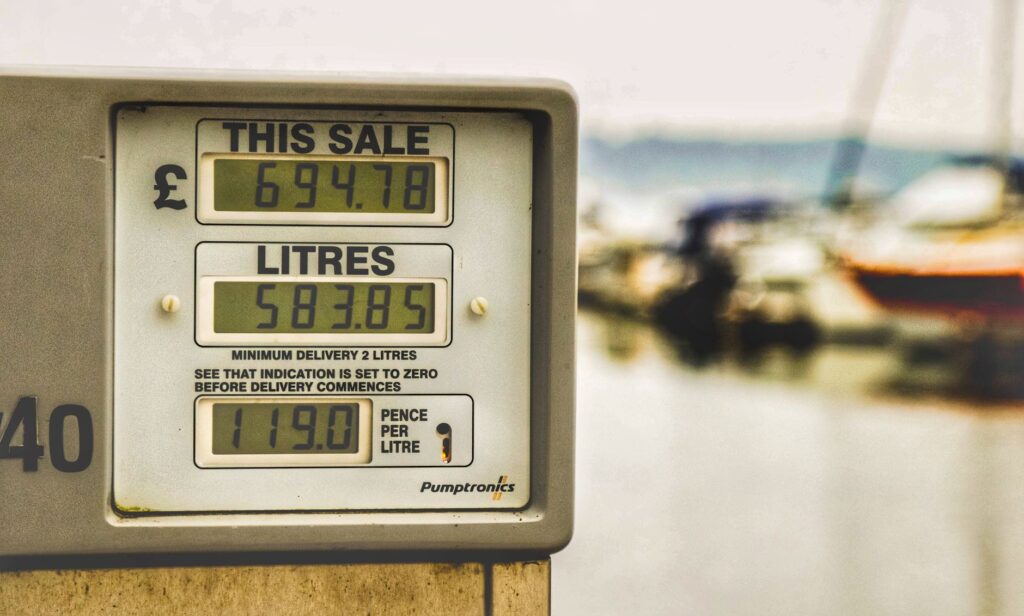

Crude oil benchmarks climbed to new six-week highs during recent trading sessions as market participants actively reassessed geopolitical developments across the Middle East. The upward momentum in the energy sector highlights the sensitivity of global commodity markets to regional instability and potential supply disruptions.
Understanding the Current Market Environment
The recent surge in crude valuations reflects a delicate balance between supply fundamentals and shifting political risks. Traders and financial institutions have been closely monitoring diplomatic channels and security updates originating from key oil-producing regions.
Geopolitical risk premiums often expand rapidly when conflicts threaten major transit routes or production facilities. In this instance, renewed apprehensions regarding regional stability prompted buyers to re-enter the futures market, lifting benchmarks from their previous ranges.
Factors Influencing Global Supply and Demand
Beyond immediate geopolitical concerns, broader macroeconomic indicators continue to shape energy market dynamics. Central bank monetary policies, industrial manufacturing data, and fuel inventory reports all contribute to the overall sentiment among commodity traders.
While supply restraints maintained by major producing nations have provided a structural floor for prices, demand uncertainties in major economies have occasionally capped broader rallies. However, the persistent threat of physical supply constraints has taken precedence in recent sessions, driving the upward price revision.
Implications for Consumers and Industry
Fluctuations in crude oil prices inevitably cascade down to refined petroleum products, impacting gasoline, diesel, and jet fuel costs worldwide. Businesses dependent on global logistics and transportation must navigate these price shifts when planning operational expenditures.
Energy analysts suggest that market volatility is likely to persist in the near term. As long as geopolitical flashpoints remain active, traders will continue pricing a premium into crude futures to hedge against unforeseen supply shocks.
Looking Ahead at Energy Markets
Market participants are maintaining a cautious stance as they await official inventory data from major reporting agencies. These figures will offer further clarity on whether physical demand is keeping pace with current valuations.
Ultimately, the trajectory of crude oil will depend heavily on diplomatic developments in the Middle East and incoming economic data from leading energy-consuming nations. Vigilance remains high across global trading desks as the market adapts to evolving risks.