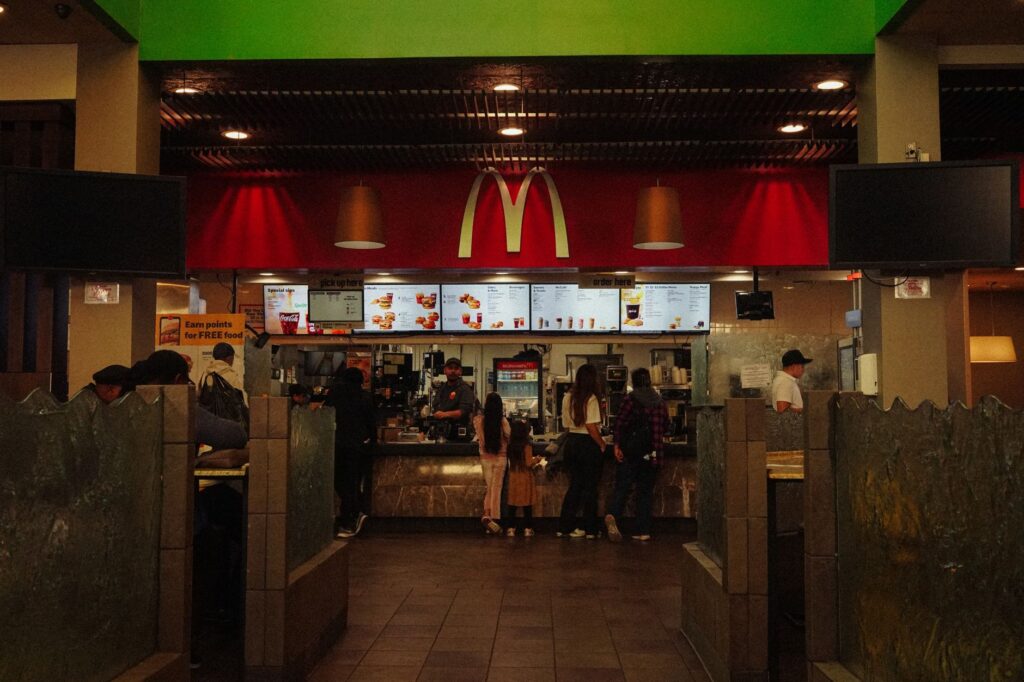

The Evolution of Fast Food Pricing
For decades, grabbing a quick bite at a major fast-food restaurant was synonymous with affordability. Consumers could easily pull up to the drive-thru and secure a filling meal without breaking the bank. Recently, however, the landscape of quick-service dining has shifted dramatically. Diners across the nation have noticed a troubling trend when searching for budget-friendly options, particularly at America’s most iconic burger chain.
The much-anticipated rollout of budget promotions was designed to lure cost-conscious shoppers back through the doors. Despite these corporate announcements, many patrons report that these affordable options are either entirely absent or significantly more expensive depending on the location. This discrepancy has left many wondering why promotional items fail to materialize on local menu boards.
Understanding the Franchisee Business Model
To comprehend why certain promotions vanish or remain unavailable, one must understand how large restaurant chains operate. The vast majority of locations are not owned directly by the corporate parent company. Instead, they are run by independent business operators known as franchisees. These local owners invest their own capital and assume the financial risks of running the establishments.
Corporate headquarters often sets nationwide marketing campaigns and promotional strategies. Yet, local operators retain the ultimate authority over pricing within their specific markets. When national headquarters introduces a low-cost bundle, local owners must evaluate whether the initiative makes financial sense for their specific profit margins. If the math does not add up locally, the promotion is frequently altered or ignored entirely.
Economic Pressures and Margin Squeezes
The primary friction point between corporate headquarters and local operators usually boils down to operating expenses. Over recent years, small business owners in the hospitality sector have faced unprecedented financial headwinds. The cost of essential ingredients, from beef and potatoes to packaging materials, has surged significantly compared to previous years.
Beyond supply chain expenses, labor costs have also risen sharply. Minimum wage increases and a competitive hiring market mean that retaining staff requires higher compensation. When combined with rising utility bills and commercial real estate expenses, profit margins for local restaurant operators are squeezed from every possible angle.
Implementing low-cost promotional bundles under these conditions can be financially hazardous for individual owners. Selling items at a heavily discounted price point might drive high customer volume, but if each transaction yields little to no profit, the business risks operating at a loss. Consequently, many operators choose to bypass national promotional campaigns to protect their bottom lines.
Consumer Impact and Brand Loyalty
The persistent difficulty in finding affordable fast-food options creates a complex challenge for brand loyalty. Modern shoppers are navigating broader economic pressures, including inflation and higher costs of living. When consumers visit a quick-service establishment expecting budget-friendly relief, encountering higher-than-expected prices can lead to immediate frustration.
Some patrons feel that national advertising campaigns set unrealistic expectations. When an advertisement highlights a specific price point that is unavailable at the local drive-thru, customer trust can erode. This disconnect forces diners to carefully compare options across different brands or reduce their frequency of dining out altogether.
The Road Ahead for Value Dining
As the industry continues to adapt to economic realities, the future of budget dining remains uncertain. Corporate leadership teams are under intense pressure to recapture market share from competitors who have successfully launched aggressive discount promotions. To achieve this, headquarters must find sustainable ways to support local operators without forcing them to absorb unsustainable losses.
For now, diners may need to rely on digital applications and mobile-exclusive deals rather than traditional menu boards to find genuine savings. Restaurant apps often provide localized discounts and reward programs that allow operators to offer deals selectively without altering their base menu pricing. Until broader economic stabilization occurs, the classic low-cost menu will likely remain a patchwork offering rather than a universal standard.