





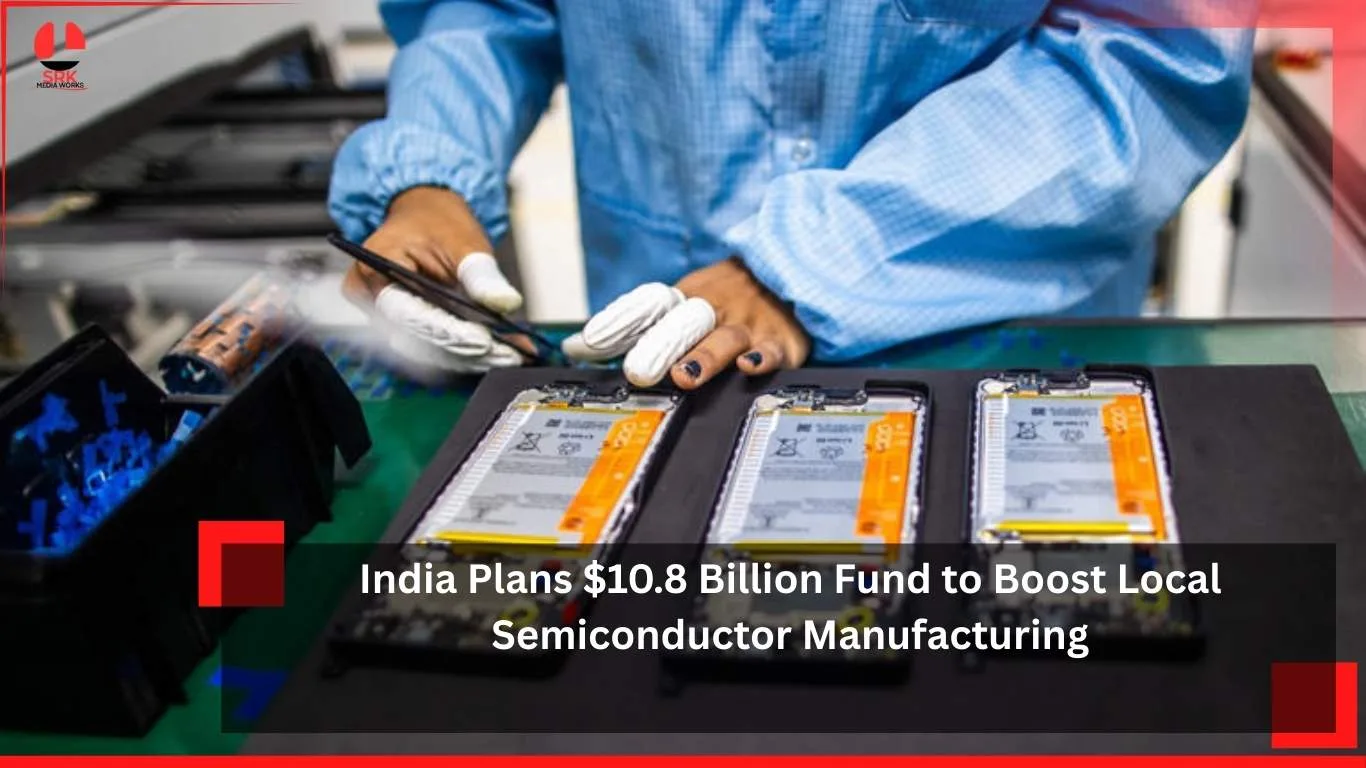
India is taking a decisive step toward strengthening its position in the global technology supply chain by announcing a $10.8 billion fund to support local semiconductor manufacturing. This ambitious initiative is part of the government’s broader vision to reduce dependency on imports, enhance self-reliance, and establish India as a hub for advanced electronics production.
Why Semiconductors Matter
Semiconductors are the backbone of modern technology, powering everything from smartphones and laptops to automobiles and defense systems. Global shortages in recent years have exposed vulnerabilities in supply chains, prompting countries worldwide to invest heavily in domestic manufacturing. India’s move aligns with this global trend, aiming to secure its technological future.
Key Objectives of the Fund
1. Boost Domestic Manufacturing
- Encourage local production of chips to reduce reliance on imports.
- Support companies in setting up fabrication units and advanced packaging facilities.
2. Attract Global Players
- Provide incentives for international semiconductor giants to establish operations in India.
- Position India as a competitive alternative to existing hubs like Taiwan and South Korea.
3. Strengthen Supply Chain Resilience
- Develop a robust ecosystem of suppliers, designers, and manufacturers.
- Ensure availability of critical components for industries such as automotive, telecom, and defense.
4. Promote Innovation and R&D
- Allocate funds for research in next-generation chip technologies.
- Encourage collaboration between academia, startups, and industry leaders.
Financial Snapshot
| Metric | Current Value | Projection (FY27) | Growth Potential |
|---|---|---|---|
| Fund Allocation (USD B) | 10.8 | 10.8 | – |
| Semiconductor Imports (USD B) | 25 | 18 | -28% |
| Domestic Production (USD B) | 5 | 15 | +200% |
| Global Market Share (%) | 1 | 3 | +200% |
Sectoral Impact
| Sector | Impact Level | Key Benefits |
|---|---|---|
| Automotive | High | Stable chip supply for EVs |
| Telecom | High | Enhanced 5G infrastructure |
| Consumer Electronics | Medium | Reduced import dependency |
| Defense | High | Secure access to critical tech |
| Healthcare | Medium | Advanced medical devices |
Comparative Global Context
| Country | Semiconductor Investment (USD B) | Focus Area |
|---|---|---|
| India | 10.8 | Local manufacturing, R&D |
| USA | 52 | CHIPS Act, domestic fabs |
| China | 40 | Self-reliance, large-scale fabs |
| EU | 45 | Supply chain resilience |
| South Korea | 30 | Advanced chip technology |
India’s investment, though smaller compared to the US and China, signals a strong commitment to building a competitive semiconductor ecosystem.
Analytical Pivot: Growth Timeline
| Year | Milestone | Impact |
|---|---|---|
| 2024 | Announcement of fund | Policy framework established |
| 2025 | Initial projects launched | Pilot fabs and R&D centers |
| 2026 | Expansion of ecosystem | Supplier networks strengthened |
| 2027 | Full-scale production | India emerges as global player |
Challenges Ahead
- High Capital Intensity: Semiconductor fabs require billions in investment and advanced technology.
- Skilled Workforce: Need for specialized talent in chip design and manufacturing.
- Global Competition: Established players dominate the market, making entry challenging.
- Supply Chain Dependencies: Raw materials and equipment still sourced globally.
Long-Term Outlook
India’s $10.8 billion semiconductor fund is expected to:
- Reduce import dependency significantly.
- Create thousands of high-skilled jobs.
- Strengthen India’s position in global technology supply chains.
- Support strategic sectors like defense, automotive, and telecom.
Conclusion
The announcement of a $10.8 billion fund for semiconductor manufacturing marks a turning point in India’s technological journey. By investing in local production, innovation, and global partnerships, India is positioning itself as a future leader in the semiconductor industry. While challenges remain, the long-term benefits of self-reliance and supply chain resilience make this initiative a cornerstone of India’s economic and strategic vision.
Disclaimer
This article is based on industry insights and government projections. The figures and interpretations are intended for informational purposes only and should not be considered financial or investment advice. Readers are encouraged to consult professional experts before making business or investment decisions.