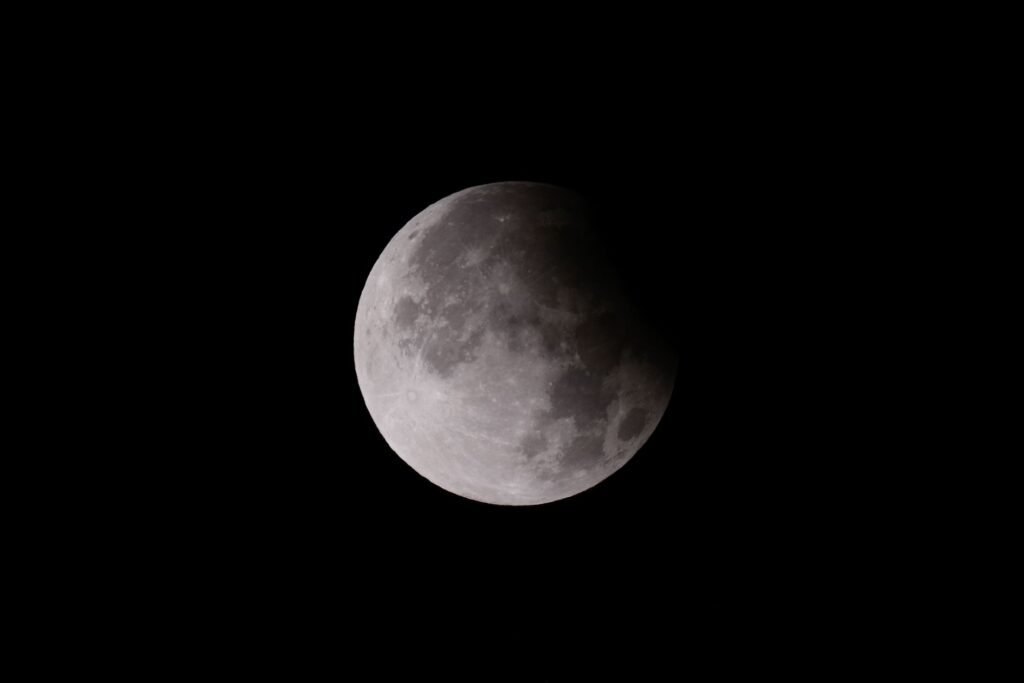

Understanding the Partial Lunar Eclipse
An upcoming astronomical event will soon capture the attention of stargazers around the globe. A significant partial lunar eclipse is scheduled to shroud approximately ninety-six percent of the lunar surface in shadow. This remarkable celestial phenomenon will primarily be visible to observers situated across the American continents. Individuals residing in North America and South America will have the prime opportunity to witness the darkening moon directly with their own eyes, provided local weather conditions remain favorable.
Geographical Limitations and Online Solutions
While millions of people across the Western Hemisphere hold a front-row seat to this cosmic occurrence, millions more live in regions where the eclipse will remain entirely invisible. Earth’s curvature and nighttime positioning mean that astronomy enthusiasts in Europe, Asia, Africa, and Australia will miss out on the physical spectacle. Fortunately, modern technology bridges this geographical gap. A wide variety of professional observatories, science institutions, and dedicated astronomy platforms have stepped forward to solve this problem for stargazers worldwide.
Streaming the Event on YouTube
For those who cannot step outside to view the moon directly, digital broadcasting offers a seamless alternative. Numerous online networks and science channels plan to host live video feeds throughout the duration of the celestial alignment. By utilizing digital streaming platforms, anyone with an internet connection and a compatible device can follow the progression of the lunar shadow in real time. These broadcasts often feature expert commentary, high-powered telescope lenses, and detailed scientific explanations that enhance the overall viewing experience.
Top Channels to Watch
Finding the right broadcast can sometimes feel overwhelming given the vast amount of content available online. Several established astronomy channels and global observatory networks routinely provide high-definition feeds of major celestial events. Viewers looking for reliable coverage should search for reputable scientific institutions, planetary societies, and major telescope facilities on popular video platforms ahead of the event time. Subscribing to these channels in advance and setting notification reminders ensures that you will not miss a single moment of the live presentation.
Tips for an Optimal Virtual Experience
Watching a celestial event through a computer or mobile screen requires a slightly different approach than traditional stargazing. To get the most out of the digital broadcast, make sure to check the scheduled timeline of the eclipse phases relative to your local time zone. Tuning in a few minutes before the peak shadow coverage allows you to witness the gradual transition of the moon. Additionally, utilizing a stable high-speed internet connection will help prevent buffering issues during crucial peak moments of the broadcast. Whether you are observing from your backyard or watching a live feed from halfway across the planet, this partial lunar eclipse promises to be an unforgettable sight.