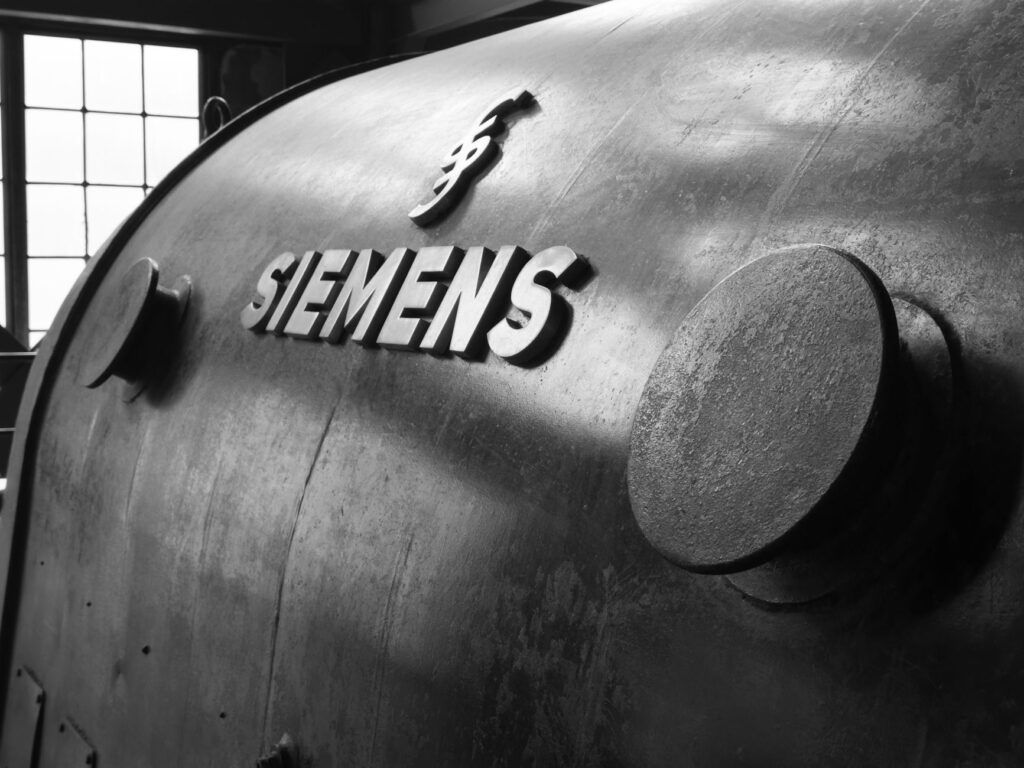

Siemens Energy has officially commenced preparations to spin off its industrial turbine and large compressor division. This strategic move comes as global electricity consumption experiences unprecedented growth, driven largely by rapid industrial expansion, widespread electrification, and the explosive energy needs of modern data centers.
Strategic Realignment for Future Growth
The decision to separate the industrial unit reflects a broader corporate strategy to streamline operations and allow each independent entity to focus entirely on its core market strengths. By establishing the industrial business as a standalone publicly traded company, leadership aims to enhance operational agility and accelerate decision-making processes.
Corporate restructuring of this magnitude requires careful planning and coordination across multiple international jurisdictions. Executives are currently evaluating the precise corporate structure, potential timeline, and financial implications for shareholders. The proposed spin-off will enable the core energy technology business to concentrate heavily on grid technologies, wind power solutions, and large-scale power generation infrastructure.
Surging Global Power Demand
The unprecedented surge in global power demand serves as the primary catalyst for this corporate maneuver. Across the globe, utilities and industrial operators face mounting pressure to upgrade aging power grids and secure reliable electricity sources. The rapid proliferation of artificial intelligence data centers, combined with the global transition toward cleaner energy alternatives, has created a massive backlog of orders for heavy electrical equipment.
Industry experts note that traditional grid infrastructures are struggling to keep pace with contemporary consumption patterns. By shedding non-core industrial segments, leadership positions the remaining organization to capture a larger share of the lucrative grid modernization and clean energy transition market.
Market Implications and Timeline
Financial markets have closely monitored the developments surrounding the planned separation. While formal shareholder approvals and regulatory clearances remain necessary before the transaction can close, investor sentiment regarding the strategic focus has been cautiously optimistic.
The separation process is expected to unfold over the coming months, with comprehensive details regarding financial allocations and governance models to be announced as preparations advance. Ultimately, this structural shift aims to unlock long-term shareholder value while equipping both entities to navigate the complexities of a rapidly evolving global energy landscape.