
Introduction to Cosmic Mysteries
Modern astronomy continues to push the boundaries of our understanding regarding the formation of the early cosmos. Recent technological advancements have allowed researchers to peer further back in time than ever before. With the help of advanced space observatories, scientists are uncovering celestial objects that challenge existing cosmological theories.
The James Webb Space Telescope Discovery
A team of researchers based in the United States recently utilized the powerful James Webb Space Telescope to observe a remarkable cosmic phenomenon. This observation dates back roughly 660 million years after the Big Bang. At this epoch in cosmic history, the Universe was in a relatively infant stage, making the discovery of complex structures particularly surprising to the scientific community.
Understanding the Little Red Dots
Among the most perplexing discoveries made by researchers are mysterious celestial anomalies often referred to as little red dots. These compact, reddish objects populate the early Universe in numbers that baffle astrophysicists. Traditional models of galaxy and star formation struggle to account for the existence and luminosity of these enigmatic entities.
The Concept of the Black Hole Star
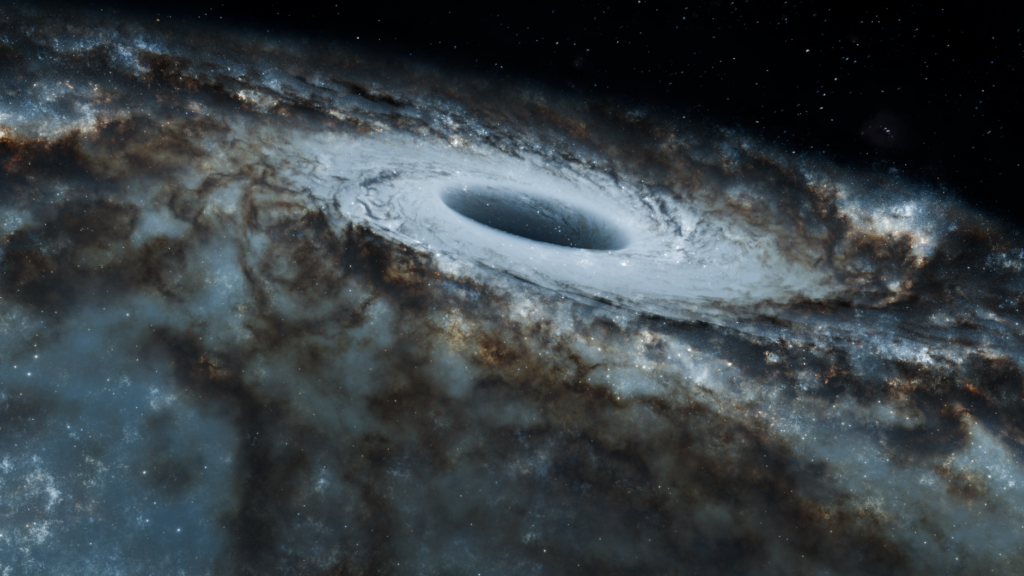
To explain these unusual observations, scientists have proposed the existence of a unique astronomical object known as a black hole star. This theoretical construct suggests a massive star with a black hole nestled at its core. Such objects could generate immense amounts of energy and light, potentially matching the signatures observed in the distant cosmos.
Implications for Future Astrophysical Research
Solving the puzzle of the little red dots requires ongoing observation and refined theoretical modeling. As astronomers continue to analyze data gathered from advanced telescopes, the hypothesis surrounding black hole stars gains traction. Further research in this domain will ultimately shed light on the fundamental processes that shaped the Universe during its earliest developmental phases.