
The Evolution of Premium Air Travel
The aviation industry is currently undergoing a notable transformation regarding how airlines sell their most luxurious cabins. For decades, purchasing a premium ticket meant receiving an all-inclusive package of luxury amenities, extensive baggage allowances, priority boarding, and premium lounge access. However, carriers are now rethinking these offerings to capture a broader market segment by introducing segmented tiers for their highest-level cabins.
This shift mirrors the economy cabin model that has been in place for years, where passengers can choose between standard fares and basic economy tickets that remove certain perks for a lower price point. By applying this unbundling strategy to the front of the aircraft, carriers aim to attract cost-conscious travelers who desire the physical comfort of a larger seat without paying for extras they might not need or use.
Understanding Basic First Class
The introduction of basic first class options means that two passengers sitting in the exact same row or cabin might pay vastly different prices and receive different levels of service. One traveler may have paid the traditional, all-inclusive fare, while the passenger next to them purchased a discounted, stripped-down version of the same seat.
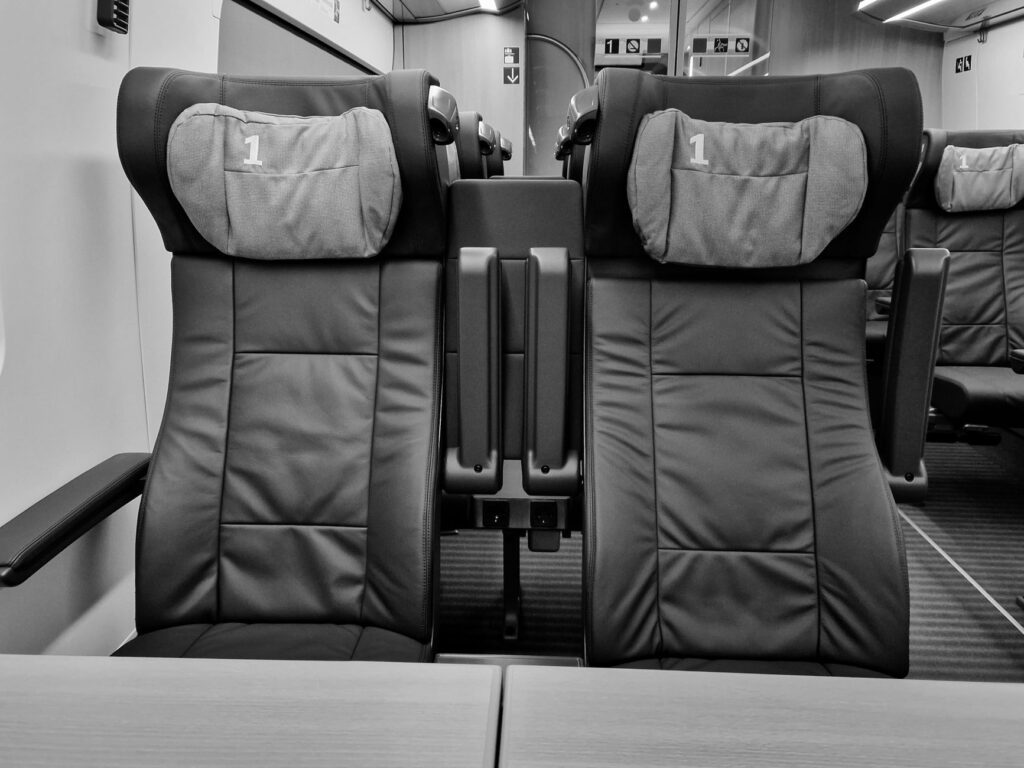
While the physical seat, extra legroom, and enhanced recline remain identical, the accompanying frills are often stripped away. Depending on the airline and the specific fare rules, these budget-friendly luxury tickets may exclude lounge access, free checked bags, priority security screening, or advance seat selection. In some cases, passengers on these restricted luxury tickets might also be the last to board among those seated in the premium cabin or may have fewer dining choices available during the flight.
Why Airlines Are Changing Their Strategy
Commercial aviation is a high-cost, highly competitive business where profit margins can fluctuate rapidly. Airlines are constantly searching for innovative ways to maximize revenue from every square foot of aircraft space. Empty premium seats represent lost revenue, and during economic downturns or periods of lower demand, filling those seats becomes a priority.
By creating a tiered pricing structure for premium cabins, airlines can appeal to a wider audience. Business travelers whose companies have strict travel budgets, leisure travelers celebrating a special occasion, and frequent flyers upgrading with miles or cash can now find options that better fit their specific financial parameters. This strategy helps boost overall ticket sales and ensures that premium cabins fly with fewer empty spaces.
What Travelers Need to Consider
For consumers, the emergence of basic first class presents both opportunities and potential pitfalls. On one hand, travelers who primarily care about physical comfort during a long flight can now access larger seats and better recline angles at a significantly reduced price. This can make luxury travel more accessible to people who previously found standard first class fares out of reach.
On the other hand, buyers must read the fine print carefully before purchasing these discounted tickets. If a traveler relies heavily on airport lounge access to work before a flight, or if they need to check multiple bags, the money saved on the base fare might be offset by a la carte fees for those services. Additionally, these restricted tickets often come with rigid change and cancellation policies, making them less ideal for passengers with unpredictable schedules.
The Future of Cabin Segmentation
As airlines continue to refine their pricing models, the trend of unbundling premium travel is expected to grow. Carriers will likely test different combinations of perks and restrictions to see what resonates most with the traveling public. For consumers, navigating the booking process will require a careful evaluation of personal travel priorities versus the specific inclusions and exclusions of each fare class.
Ultimately, basic first class offers a compromise for travelers willing to trade traditional luxury perks for financial savings. Whether this new model becomes a permanent fixture of modern aviation will depend on consumer adoption and the ongoing balance between cost and convenience in the skies.