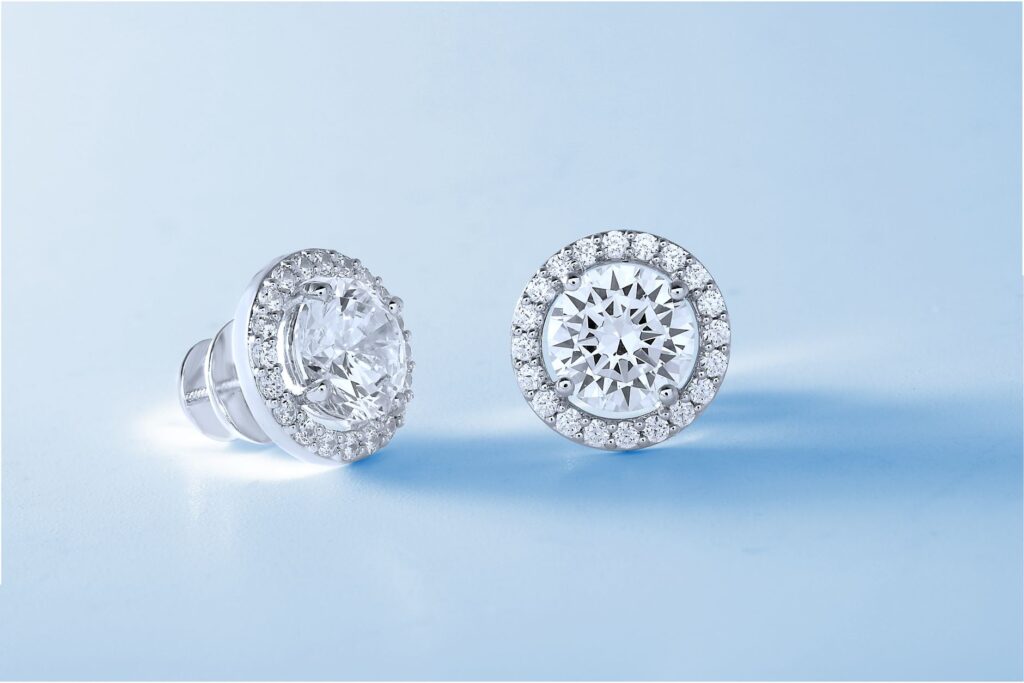

The global jewelry landscape is experiencing a subtle yet significant shift as major industry players rethink their material sourcing and product offerings. Navigating the complexities of raw material costs requires constant adaptation from top executives. Even as traditional precious metal markets fluctuate, leading brands are exploring alternative plating options to maintain stability, protect profit margins, and offer fresh choices to consumers.
Strategic Adjustments in the Jewelry Sector
Market volatility often forces major retail brands to reevaluate their supply chain dependencies. For years, silver has remained a primary staple for affordable luxury brands, serving millions of shoppers worldwide. However, unpredictable price swings can complicate long-term financial planning and impact pricing strategies. To counter these challenges, industry leaders are increasingly looking toward alternative metals that offer both durability and a premium aesthetic.
Diversification allows companies to buffer against sudden downturns or spikes in specific commodity markets. By expanding material portfolios, jewelry enterprises can ensure a more stable manufacturing cost structure. This approach not only safeguards the business against economic uncertainty but also opens up new creative avenues for designers aiming to introduce modern finishes.
The Role of Platinum Plated Collections
Platinum plating has emerged as a compelling solution for brands seeking an upscale look without exposing themselves entirely to the pricing vagaries of a single commodity. The finish provides a bright, tarnish-resistant surface that appeals to modern buyers looking for longevity and everyday wearability in their accessories.
Consumers today demand both style and substance from their jewelry purchases. Platinum-finished pieces often deliver enhanced resilience against daily wear, making them an attractive alternative to traditional finishes. As brands roll out these extended collections, early market reception indicates a growing appetite for diverse metal tones in the accessible luxury segment.
Navigating Raw Material Volatility
Precious metal markets are notoriously sensitive to macroeconomic trends, industrial demand, and global currency movements. Silver, in particular, frequently experiences rapid price corrections and rallies. Relying heavily on a single material can expose a brand to unnecessary financial risks during periods of acute market instability.
By integrating platinum-plated options into their core offerings, major jewelry houses can smooth out the bumps associated with commodity trading. This tactical shift allows companies to maintain consistent retail pricing while continuing to deliver the high-quality craftsmanship that customers expect. Strategic material management remains a cornerstone of sustainable growth in the competitive luxury sector.