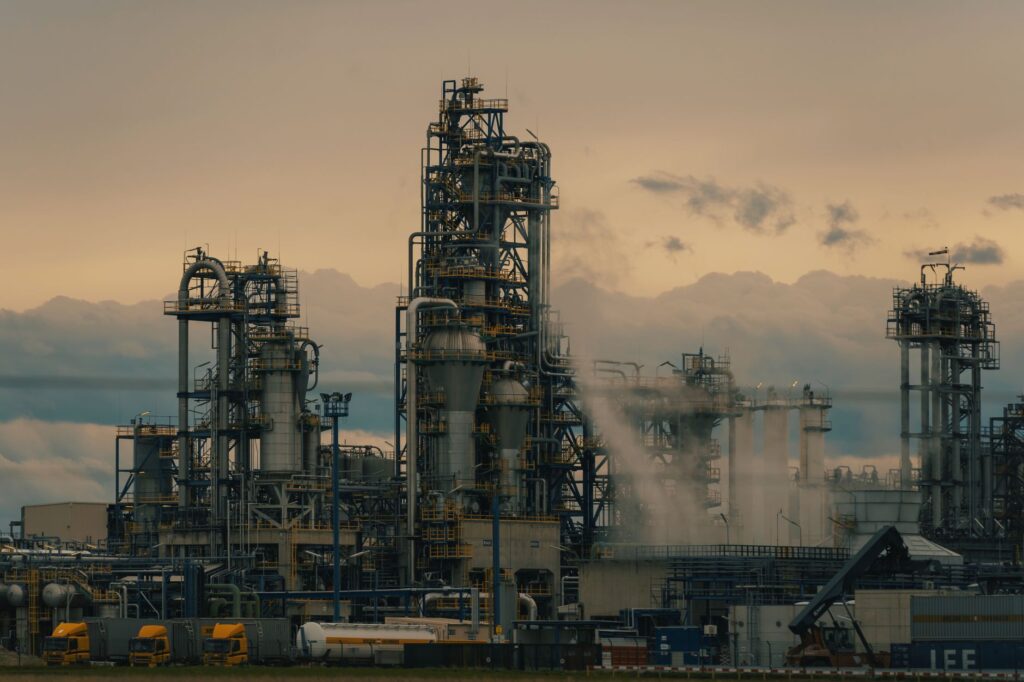

The Global Energy Landscape Shifts
The global energy sector has experienced a remarkable transformation over recent quarters, creating an exceptionally profitable environment for downstream operators. While upstream exploration companies often capture headline attention, processing facilities have quietly emerged as financial powerhouses. Market dynamics have aligned to create wide processing margins, allowing these enterprises to generate substantial cash flow.
Driving Factors Behind Record Margins
Several macroeconomic factors contribute to this surge in profitability. Global demand for refined petroleum products has remained robust, outpacing the available processing capacity in many key regions. This tight balance between supply and demand has driven up crack spreads, which represent the profit refiners make from turning crude oil into gasoline, diesel, and jet fuel.
At the same time, ongoing geopolitical tensions and shifting trade routes have disrupted traditional supply chains. These complexities have favored operators who possess flexible facilities capable of sourcing alternative feedstocks and adapting quickly to regional shortages.
Financial Performance Across the Sector
The impact on corporate bottom lines has been extraordinary. Across the industry, balance sheets have strengthened significantly, enabling companies to reduce debt, increase dividend payouts, and execute aggressive share repurchase programs. Industry analysts note that several independent operators have reported earnings jumps approaching one thousand percent compared to previous comparative periods.
This dramatic escalation in revenue highlights the unique position refiners occupy within the broader energy ecosystem. When crude prices fluctuate, processing facilities frequently benefit from the volatility, capturing wider margins as finished product prices adjust faster than raw material costs.
Operational Challenges and Future Outlook
Despite the current financial success, industry leaders remain focused on navigating operational hurdles. Aging infrastructure requires continuous capital expenditure to maintain safety standards and environmental compliance. Furthermore, long-term strategic planning must account for the global transition toward cleaner energy alternatives.
To address these future demands, many major operators are allocating a portion of their current windfalls toward renewable fuels, hydrogen development, and carbon capture technologies. By diversifying their asset portfolios, these companies aim to sustain profitability as global energy consumption patterns evolve in the coming decades.
Conclusion
Ultimately, the current economic climate has underscored the vital role that oil refiners play in the worldwide supply chain. Their ability to capitalize on market inefficiencies and robust product demand has translated into historic financial results. As the sector moves forward, the combination of strong traditional cash flows and strategic investments in new technologies will likely define the long-term success of these energy giants.