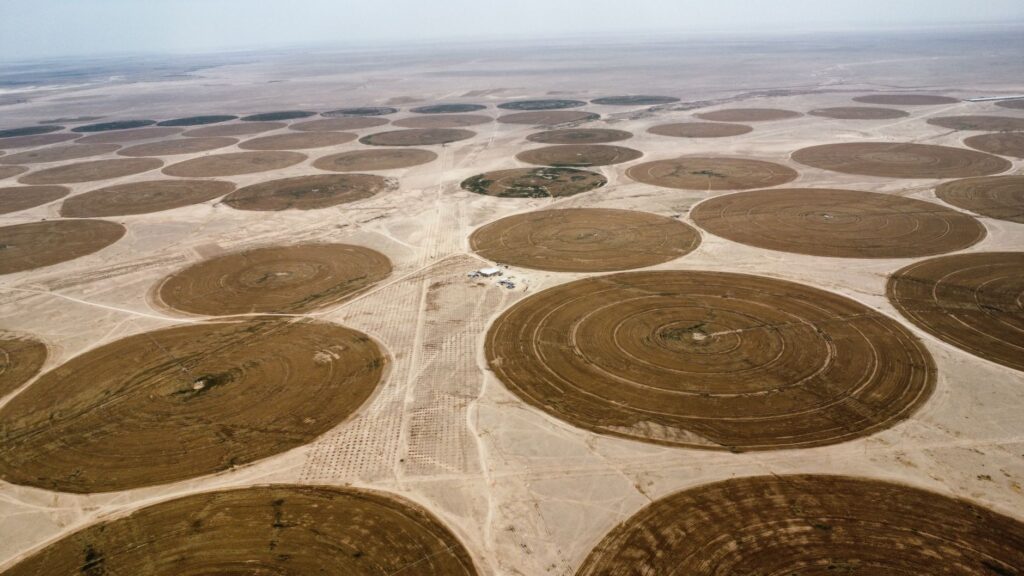

The Economic Toll of Water Scarcity
Extended periods of intense heat and severe lack of precipitation are creating profound challenges for economies across Europe. As natural water reservoirs diminish rapidly, vital industrial sectors face unprecedented operational hurdles. The combination of scorching summer temperatures and depleted rainfall has transformed seasonal weather patterns into a major economic and infrastructural crisis.
Power Generation Under Pressure
The energy sector remains particularly vulnerable to extreme hydrological conditions. In Romania, authorities were forced to halt operations at a major nuclear reactor due to dangerously low water levels in the cooling supply source. Water availability is an absolute necessity for regulating heavy industrial and nuclear power generation, and when levels drop below critical thresholds, facilities must scale back or shut down entirely to prevent catastrophic failures.
Supply Chain Disruption Along Major Waterways
Beyond electricity production, regional trade routes suffer significantly when crucial transport arteries dry up. In Germany, water levels in the historic River Rhine have reached historic lows. This essential commercial highway normally carries millions of tons of cargo, including vital raw materials, manufactured goods, and energy products.
With river transport severely restricted, freight vessels can only carry a fraction of their standard capacity. This bottleneck forces logistics companies to seek alternative, more expensive transport methods such as rail and road freight. The resulting logistical delays ripple outward, impacting manufacturing schedules and driving up operational costs for businesses throughout the continent.
Fueling Inflationary Pressures
The convergence of reduced energy output and constrained supply chains contributes directly to broader economic instability. When power plants suspend operations and transport logistics become more complex, the cost of producing and moving goods escalates. These rising expenses are inevitably passed down to consumers, reinforcing inflationary pressures at a time when households are already managing high living costs.
Looking Ahead at Climate Resilience
These compounding challenges highlight the urgent need for long-term infrastructural adaptation across Europe. As extreme weather events become more frequent, policymakers and industry leaders must rethink water resource management, energy diversification, and supply chain redundancy to safeguard economic stability against future climate shocks.