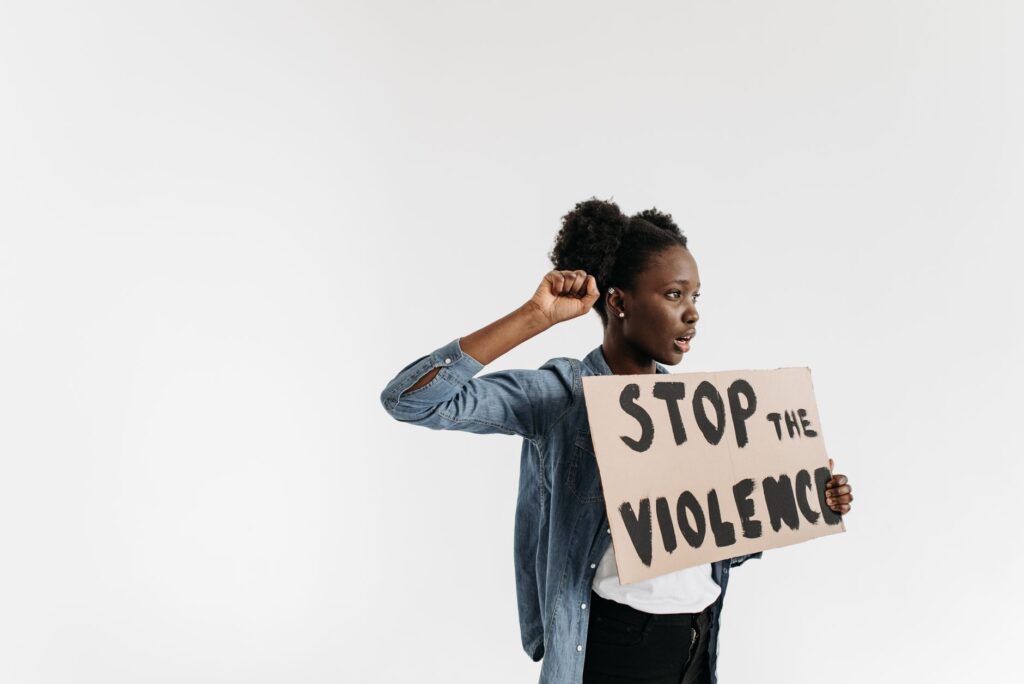

Understanding Youth Perspectives in Civil Unrest
Recent observations from the highest judicial authority in the country emphasize that engaging with the younger generation serves as a vital tool for preventing violence during public demonstrations. While authorities must prioritize the preservation of public order, the judicial body noted that security forces should exercise restraint and adopt thoughtful approaches when managing volatile situations.
The Balance Between Security and Dialogue
Public demonstrations often arise from deep-seated grievances among citizens, particularly students and young adults. When these gatherings escalate, the immediate response from law enforcement typically involves maintaining strict control. However, the judicial commentary suggests that physical containment alone is insufficient for long-term peace.
Listening to the grievances of the younger demographic allows administrators to address root causes rather than merely reacting to symptoms of unrest. By opening channels of communication, leaders can de-escalate tensions before they transform into destructive confrontations.
Condemnation of Unlawful Acts
Even as the emphasis shifts toward proactive listening and cautious handling by security personnel, the judiciary maintained a firm stance on accountability. Actions such as throwing stones and engaging in destructive behavior during protests remain completely unacceptable and cannot be legally or morally justified.
Law enforcement agencies retain the responsibility to uphold the rule of law and protect public property. The core message focuses on a dual approach. Authorities must simultaneously condemn unlawful behavior while actively pursuing dialogue to understand the underlying motivations driving young protestors.
Implementing Cautious Enforcement Strategies
Handling civil disturbances requires a delicate balance between firmness and empathy. Security forces are advised to evaluate the gravity of each situation carefully, ensuring that their response remains proportionate to the threat at hand.
Overly aggressive tactics can alienate communities and deepen hostility, whereas measured responses foster an environment of trust. By treating youth engagement as a powerful preventative measure, governance structures can build resilience against widespread civil conflict.
Moving Forward with Constructive Engagement
Addressing the complex dynamics of modern protests demands innovative strategies from policymakers and law enforcement alike. Integrating youth voices into policy discussions and civic planning creates a sense of inclusion and reduces the impulse toward disruptive agitation.
The judicial guidance serves as a reminder that sustainable peace relies on proactive communication rather than reactive force. Cultivating an environment where young individuals feel heard helps societies address grievances constructively and maintain harmony.