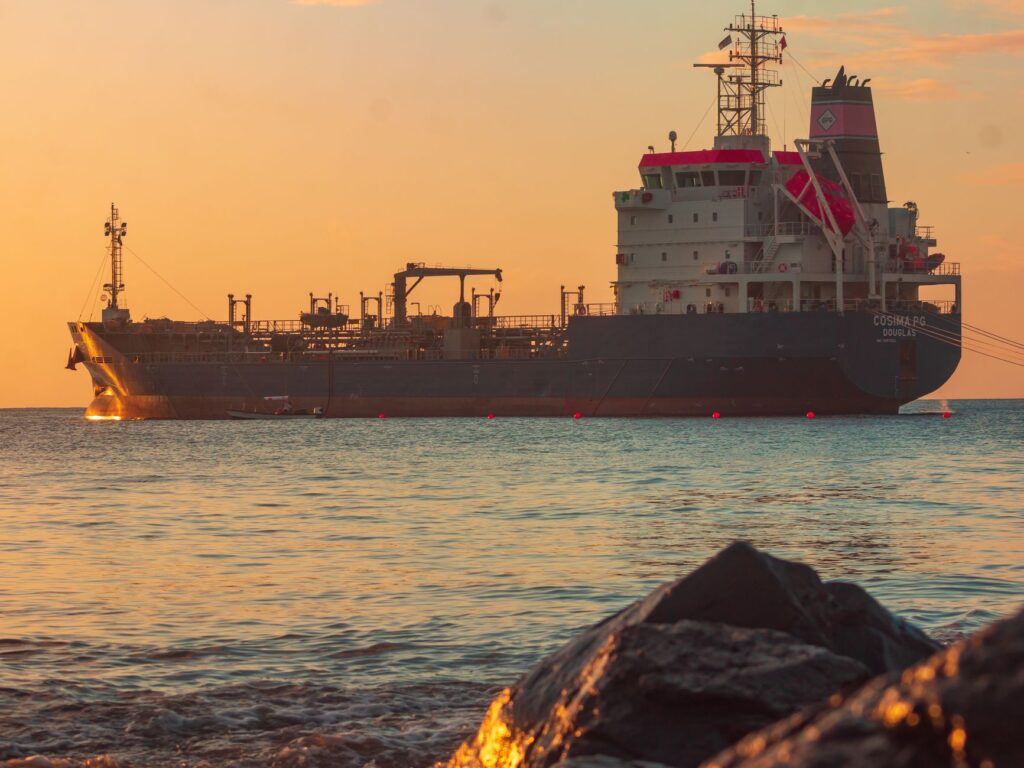

Global crude oil prices tumbled on Monday as market anxieties eased following statements from U.S. President Donald Trump, who signaled a pause in potential military strikes against Iran. The market reacted to prospects of diplomatic talks aimed at securing the critical Strait of Hormuz shipping lane, offering hope for a resolution to the ongoing regional conflict.
West Texas Intermediate (WTI) crude, the key U.S. benchmark, fell by approximately 6.2 percent during morning trading, dropping to around $79.45 per barrel. Concurrently, Brent crude, the international benchmark, dropped over 3.5 percent to settle around $79.30 per barrel, marking a sharp reversal from recent price surges.
Geopolitical Context and Shipping Disruptions
The recent downturn in oil prices follows months of intense geopolitical friction in the Middle East that threatened global energy distribution. Earlier this year, threats of drone strikes, missile attacks, and naval mines deployed in key shipping lanes caused oil prices to spike above $110 a barrel.
Before the outbreak of the conflict, oil prices had maintained a stable range between $60 and $70 per barrel. The subsequent escalation severely disrupted maritime logistics through the Strait of Hormuz, a vital conduit that handles a significant portion of the world’s petroleum shipments.
As tanker traffic plummeted due to security risks, global supply chains tightened, driving up energy costs worldwide and feeding inflationary pressures across major economies.
Diplomatic Signals and Contradictory Reports
President Trump announced on Sunday that he was holding off on ordering new military strikes against Iran. He indicated that Middle Eastern allies had established the framework of an agreement to resolve the conflict and stabilize the region.
According to social media statements from the president, the proposed deal would require the immediate, complete, and total reopening of the Strait of Hormuz. The administration also emphasized that any final agreement must address broader security concerns regarding regional nuclear threats.
However, official statements from Tehran presented a different narrative regarding the status of the negotiations. A spokesperson for Iran’s foreign ministry stated that no direct talks with the United States were scheduled or currently taking place.
Instead, Iranian officials clarified that their only active diplomatic discussions regarding the management of the Strait of Hormuz are being conducted through Oman, which has historically acted as a mediator in regional disputes.
Domestic Economic Pressure and Retail Fuel Prices
The prolonged energy crisis has placed a significant burden on domestic consumers, driving up the cost of living. Official data shows the national average price for regular gasoline reached $4.095 per gallon on Monday, representing a 30 percent increase compared to the previous year.
This surge has squeezed household budgets across the country, prompting intense political pressure on major energy corporations to lower retail prices. President Trump publicly urged major oil firms, including Chevron, to pass savings on to consumers immediately.
In public remarks, the president highlighted his administration’s role in supporting the domestic energy sector, specifically referencing Chevron’s expanded operations in Venezuela as an example of successful federal facilitation.
Industry Responses to Pricing Demands
The pressure to lower retail fuel prices has met with resistance from energy marketers and independent gas station operators. Industry groups argue that retail price adjustments naturally lag behind fluctuations in the crude oil market due to supply chain mechanics.
Retailers explain that they must first sell through existing inventories purchased at higher wholesale costs before they can lower pump prices. This transition period typically spans several weeks, meaning immediate relief at the pump is rarely instantaneous when crude prices drop.
The White House has previously challenged this explanation, accusing retail distributors of maintaining elevated profit margins at the expense of consumers during periods of market volatility.
Future Outlook and Market Indicators
Investors and analysts are now closely monitoring the diplomatic channel facilitated by Oman to see if a formal agreement can be reached. Any concrete progress toward stabilizing the Strait of Hormuz could establish a more permanent ceiling on global oil prices.
Simultaneously, broader macroeconomic factors continue to influence energy markets. Traders remain cautious as they evaluate the potential for future interest rate adjustments by the Federal Reserve, which could impact overall energy demand.
The coming weeks will reveal whether these diplomatic overtures can translate into physical security for merchant vessels, or if renewed geopolitical friction will send energy prices climbing once again.
Disclaimer: This article is published for general news and informational purposes only. While every effort has been made to ensure accuracy, readers are advised to verify important information from official sources. The publisher shall not be responsible for any loss or inconvenience arising from reliance on the information published.