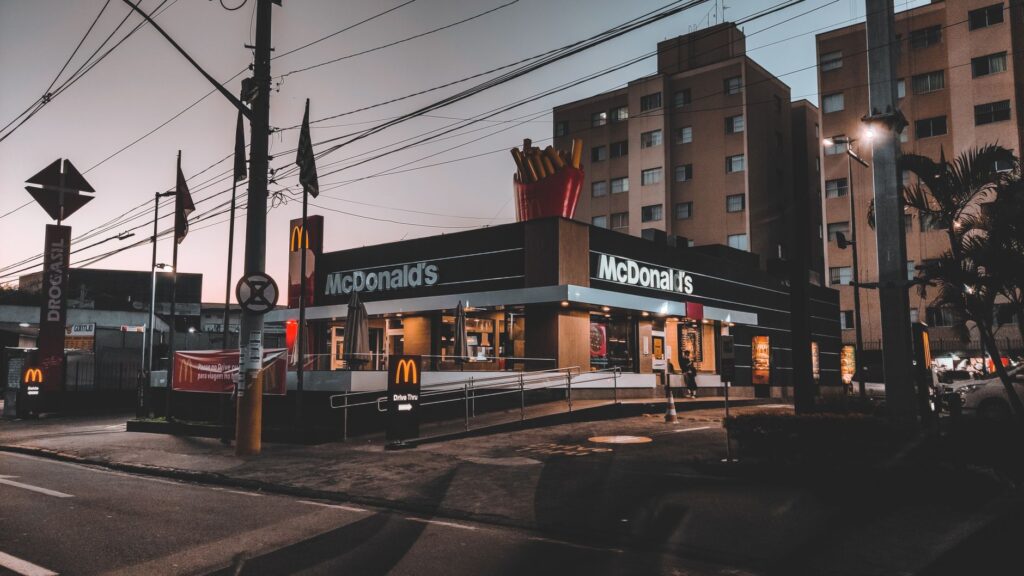

McDonald’s Corporation reported slower-than-expected sales growth in its largest market for the second quarter, pointing to operational execution failures that hampered its value promotion strategies. Company leadership acknowledged that inconsistent promotion of value deals and a reduction in digital offerings led to a significant drop in customer visits. The fast-food giant had aimed these promotions specifically at lower-income consumers who are tightening their household budgets.
Underperforming Expectations and Operational Hurdles
According to official financial data, comparable sales for the U.S. division of McDonald’s grew by just 0.8% in the second quarter. This figure fell short of Wall Street estimates, which had projected a 1.06% increase. The current pace represents a sharp decline from the 2.5% growth rate recorded during the same period last year.
Chief Executive Officer Chris Kempczinski stated that the company does not have a strategic issue but rather suffered from poor execution across its massive network. Approximately one-third of U.S. franchise locations failed to properly implement the recommended everyday affordable pricing menu. This inconsistency fractured the brand’s unified value message and drove loyal, budget-conscious customers away.
Furthermore, internal operational challenges compounded the sales dip. Restaurant staff reportedly faced overwhelming demands due to a high volume of new corporate deployments during the quarter. These initiatives lengthened customer service times and harmed overall operational efficiency at the store level.
Strategic Pivot to Reclaim Market Share
The sales slowdown highlights a broader trend in the quick-service restaurant industry, where consumers are increasingly selective about discretionary spending. To address these operational hurdles, McDonald’s Chief Financial Officer Ian Borden announced plans to simplify kitchen and counter operations. The company intends to eliminate several non-customer-facing activities over the remainder of the year to improve speed of service.
In a bid to win back budget-conscious diners, the company will launch targeted national digital flash offers. These promotions aim to re-engage high-frequency customers through personalized digital deals on the McDonald’s mobile application. Leadership believes that a renewed focus on digital engagement will restore the brand’s affordability reputation.
A New Chapter in Leadership
To steer the recovery, McDonald’s has appointed Skye Anderson to head its U.S. business division. Anderson, a 26-year veteran of the company and former U.S. Chief Operating Officer, will oversee approximately 14,000 domestic restaurants. She is tasked with aligning franchisees under a unified pricing strategy and executing the brand’s turnaround plan.
Market analysts will closely monitor how quickly Anderson can unify pricing across franchises and whether the new digital promotions will successfully restore foot traffic in the coming quarters. The company’s ability to balance franchisee profitability with consumer demands for affordability remains a critical challenge.
Disclaimer: This article is published for general news and informational purposes only. While every effort has been made to ensure accuracy, readers are advised to verify important information from official sources. The publisher shall not be responsible for any loss or inconvenience arising from reliance on the information published.