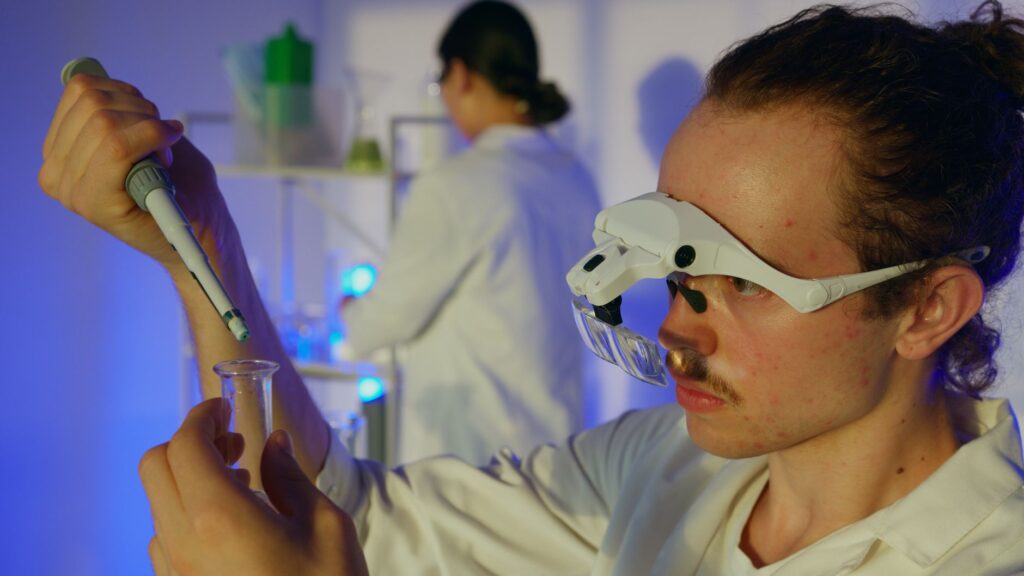

Seattle-based biotechnology startup Accipiter Biosciences has secured an additional $10.5 million in seed funding to accelerate its artificial intelligence-driven drug development pipeline. The capital injection allows the company to move faster than planned on its most promising therapeutic candidates. By expanding its financial runway, the firm aims to diversify its clinical portfolio and transition multiple programs into human trials ahead of schedule.
The Scientific Foundation of Accipiter Bio
Founded in March 2023, Accipiter Biosciences emerged from stealth operations in November 2025 with an initial $12.7 million in funding. The company’s core scientific team includes several researchers from the University of Washington’s renowned Institute for Protein Design. This institute, led by Nobel laureate David Baker, has pioneered the use of computational models to design entirely new proteins from scratch.
Accipiter utilizes proprietary AI tools developed at the institute to engineer proteins with unique structural properties. Unlike natural antibodies that typically bind to a single target, these synthetic proteins can simultaneously bind to multiple cellular receptors. Company officials state that this multi-targeting capability allows them to unlock complex biological mechanisms and design more potent therapies.
The startup is applying this technology to address difficult-to-treat conditions, with a primary focus on immunology and oncology. By designing molecules that can engage multiple disease pathways at once, the company hopes to overcome the limitations of traditional monoclonal therapies.
Expanding the Pipeline and Team
The new $10.5 million funding represents an extension of Accipiter’s seed round and comes exclusively from existing investors. Flying Fish Partners and Takeda co-led the seed round, which also featured participation from Columbus Venture Partners, Cercano Capital, and the Washington Research Foundation. Other notable backers include Alexandria Investments, Pack Ventures, and Argonautic Ventures.
According to official statements, the company initially intended to advance one or two proprietary drug candidates into clinical trials. The additional capital will now allow the team to push three or four distinct programs forward into the clinic. This strategic shift enables the startup to hedge its clinical bets and explore a broader range of therapeutic applications simultaneously.
To support this accelerated timeline, Accipiter plans to expand its workforce significantly. The company currently employs 22 people and aims to reach a headcount of approximately 30 scientists and researchers within the next six to twelve months. This recruitment drive will bolster the company’s internal research and development capabilities in Seattle.
High-Value Pharmaceutical Partnerships
In addition to its proprietary pipeline, Accipiter has established lucrative collaborations with major pharmaceutical companies. The startup has entered into a strategic collaboration and licensing agreement with Pfizer to research and engineer novel molecules. This deal includes an upfront payment and holds the potential to generate more than $330 million in milestone payments and royalties.
Accipiter has also secured a similar partnership with Kite Pharma, an oncology-focused subsidiary of Gilead Sciences. Under this agreement, Accipiter will design specialized proteins for integration into next-generation cell therapies. These collaborations provide the startup with steady non-dilutive revenue while validating its computational platform with industry leaders.
The Reality of AI in Drug Discovery
While enthusiasm for AI in medicine remains high, industry veterans caution that computational tools are not a shortcut to clinical success. Accipiter CEO Matthew Bick emphasized that the process of translating digital designs into functional medicine remains highly complex. He noted that automated algorithms cannot replace human scientific intuition and hands-on laboratory validation.
This perspective is informed by historical challenges within the biotech sector. Bick and two of his co-founders previously worked at Neoleukin, an early pioneer in computational protein design that spun out of the University of Washington in 2019. Neoleukin’s lead cancer therapeutic underperformed during Phase 1 clinical trials, eventually leading to workforce reductions and a corporate merger.
The lessons from Neoleukin highlight the high stakes of biological engineering. Accipiter’s leadership maintains that their current approach combines advanced AI models with a deeper understanding of molecular mechanics to avoid past pitfalls.
What Lies Ahead
Looking forward, the biotechnology industry will closely monitor Accipiter’s progress as it transitions from laboratory research to clinical trials. The success of its multi-targeting proteins could establish a new paradigm for treating autoimmune diseases and cancer. Investors and competitors alike will watch whether these AI-designed molecules can deliver on their theoretical potential in human subjects.
Over the next year, the key milestones for Accipiter will include expanding its laboratory space, finalizing candidate selection, and filing investigational new drug applications. The company’s ability to execute these steps quickly will determine its standing in the highly competitive AI drug discovery landscape.
Disclaimer: This article is published for general news and informational purposes only. While every effort has been made to ensure accuracy, readers are advised to verify important information from official sources. The publisher shall not be responsible for any loss or inconvenience arising from reliance on the information published.