









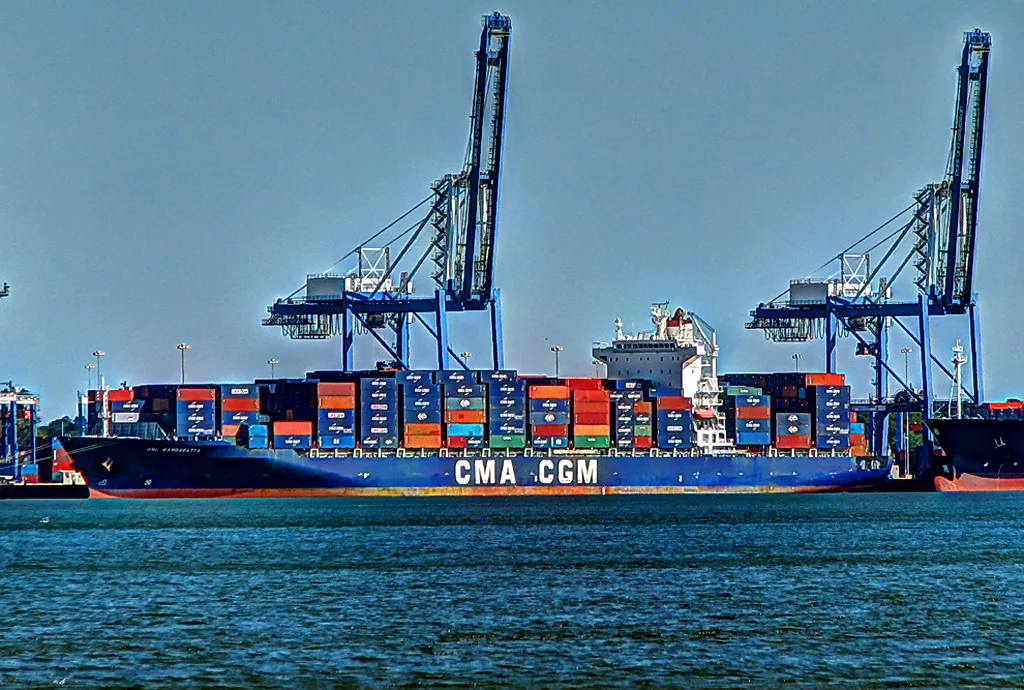
The Gathering Storm of Chinese Exports
As G7 finance ministers and trade leaders convene this week, a growing consensus has emerged regarding an impending “China Shock 2.0,” characterized by a massive surge of Chinese manufactured goods flooding European markets. This shift follows redirected trade flows from the United States, leaving the European Union to grapple with the potential destabilization of its domestic industrial base. Policymakers in Brussels and across member states are now actively weighing retaliatory trade measures to shield local manufacturers from what they describe as unfair competition.
Contextualizing the Global Trade Shift
The original “China Shock” of the early 2000s saw the rapid integration of China into the World Trade Organization, leading to the hollowed-out manufacturing sectors of many Western economies. Today, the dynamic has evolved from low-cost textiles to sophisticated, high-tech goods including electric vehicles, solar panels, and advanced machinery. With the United States imposing stringent tariffs and “Buy American” mandates, China has increasingly pivoted its excess production capacity toward the European market, which remains relatively more open.
Manufacturing Dominance and Industrial Vulnerability
Europe’s industrial heartland, particularly in Germany and France, faces significant pressure as Chinese firms utilize state subsidies to offer prices that domestic European competitors struggle to match. Data from the European Commission indicates that Chinese export volumes in the green technology sector have grown by over 30% in the last year alone. Industry analysts argue that this is not merely a matter of efficiency, but a deliberate strategy of industrial overcapacity designed to secure global market share at the expense of European profitability.
Expert Perspectives on Market Imbalance
Economists at the Bruegel think tank suggest that the current trade imbalance is unsustainable for the long-term health of the European single market. They point to the “price-dumping” phenomenon as a critical risk factor that could lead to widespread plant closures and job losses in the automotive sector. Conversely, some trade advocates warn that aggressive protectionism could trigger a cycle of retaliatory tariffs, potentially damaging Europe’s own export-dependent industries that rely on access to the Chinese consumer base.
Implications for the European Industrial Future
For European businesses, the immediate future holds a period of intense regulatory scrutiny and likely trade litigation. Companies operating within the renewable energy and electric vehicle sectors should prepare for a landscape where government subsidies are redirected toward local innovation to maintain parity. Consumers may benefit from lower prices in the short term, but the long-term risk of a diminished domestic industrial base remains a primary concern for policymakers.
What to Watch Next
Market observers should monitor upcoming European Commission anti-subsidy investigations, which are expected to set the tone for future trade relations. The effectiveness of the G7’s coordinated approach, or the lack thereof, will determine whether Europe can successfully navigate this economic challenge without triggering a full-scale trade war. Continued volatility in trade data and shifting legislative stances from major EU capitals will provide the clearest indicators of how this “China Shock 2.0” will be managed in the coming months.