









Weather Patterns Diverge Across North-West India
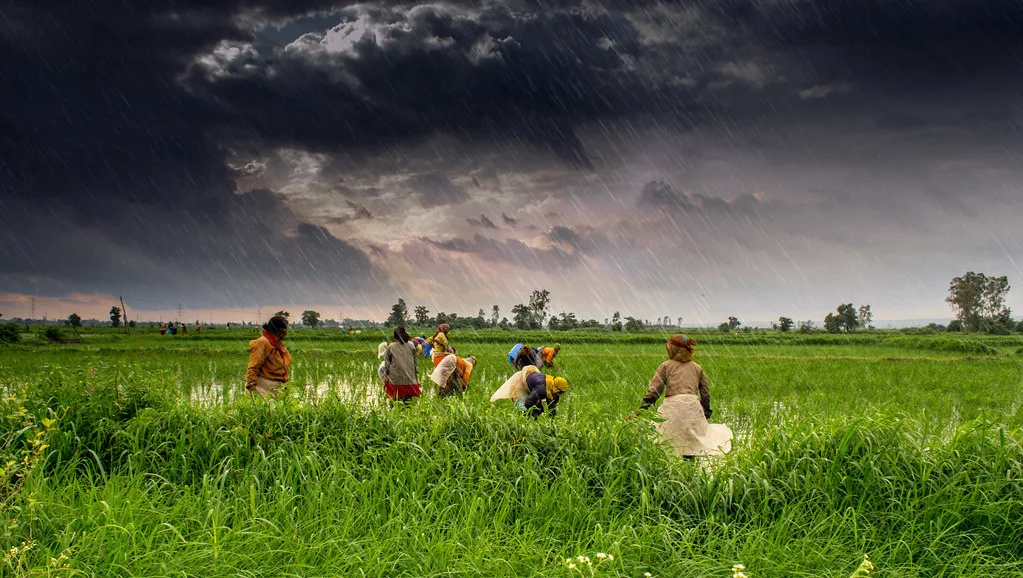
Persistent western disturbances have delivered unexpected rainfall to North-West India this season, effectively buffering the region against a faltering monsoon. While the broader Indian monsoon has faced localized volatility, the north-west region has recorded 5% above-normal rainfall as of mid-season, providing a critical lifeline for agricultural sectors that rely on consistent precipitation.
Context of the Meteorological Shift
The monsoon season, which typically serves as the primary source of water for India’s agrarian economy, has experienced irregular distribution this year. Western disturbances—extratropical storms originating in the Mediterranean region—have moved further south than is typical for this time of year. These weather systems interact with the monsoon moisture, creating sustained cloud cover and precipitation across states that might otherwise face drought conditions.
Regional Disparities in Rainfall Distribution
The distribution of this rainfall remains highly uneven across the north-western landscape. West Rajasthan has posted a significant surplus of 20%, a stark contrast to the drier conditions often associated with the Thar Desert region. Meanwhile, East Rajasthan is experiencing an even more dramatic trend, currently leading the country with an impressive 80% surplus in accumulated rainfall.
Meteorological data indicates that these specific pockets of high rainfall are the result of low-pressure areas forming over the desert state. These systems have acted as magnets for moisture, pulling in winds from the Arabian Sea and the Bay of Bengal. Conversely, neighboring regions have seen drier intervals, highlighting the localized nature of these climate-driven events.
Expert Perspectives on Climate Variability
Climate scientists suggest that the frequency of these western disturbances is becoming increasingly difficult to predict. According to the India Meteorological Department (IMD), the interaction between global climate patterns and regional geography is creating a new baseline for monsoon performance. Experts note that while the surplus is beneficial for current water storage levels, the intensity of concentrated rainfall events increases the risk of flash flooding in arid zones unaccustomed to such high volumes of water.
Economic and Agricultural Implications
For the agricultural industry, these weather patterns present a complex set of challenges and opportunities. Farmers in Rajasthan are currently seeing improved soil moisture levels, which supports the growth of kharif crops. However, the unpredictability of these surges makes long-term irrigation planning difficult for authorities. Water management agencies are now tasked with balancing the immediate benefits of the surplus against the potential for infrastructure damage caused by sudden, heavy downpours.
Future Outlook and Monitoring
As the monsoon season progresses, analysts are keeping a close watch on the trajectory of incoming western disturbances. The critical factor to monitor is whether these systems continue to migrate southward or if they shift back toward higher latitudes, which would likely lead to a rapid decline in rainfall for North-West India. Industry observers should also monitor soil saturation levels and reservoir capacity reports in the coming weeks, as these will be the primary indicators of whether the current surplus can be sustained through the remainder of the season.