









SpaceX surged past Amazon in market valuation on Tuesday, briefly overtaking Microsoft to claim the title of the world’s fifth most valuable company. This unprecedented financial milestone, achieved during a period of intense private equity trading, underscores the rapidly shifting landscape of the aerospace and satellite telecommunications sectors.
The Ascent of Private Space Exploration
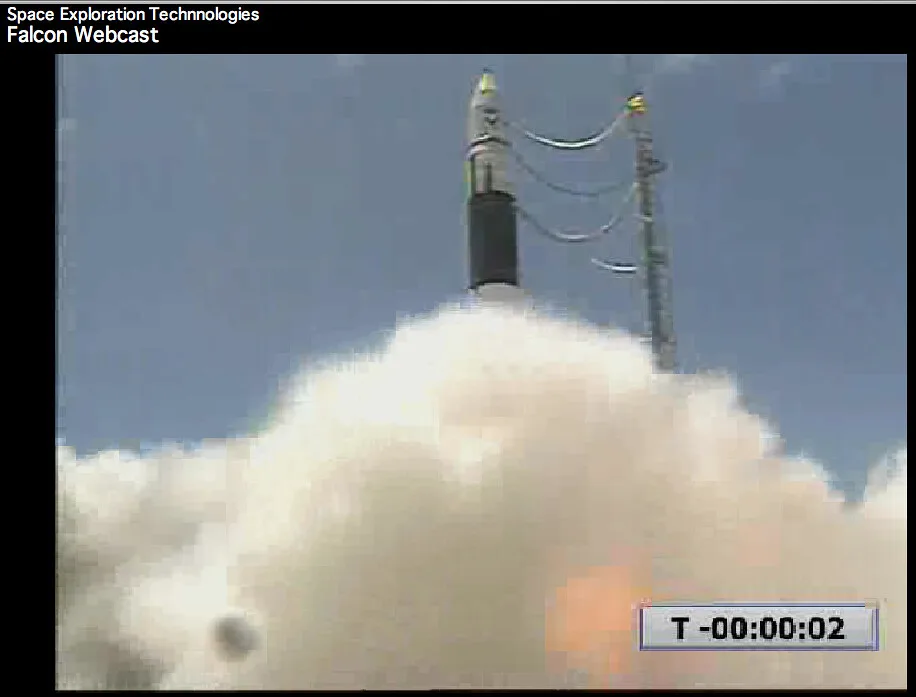
Founded by Elon Musk in 2002, SpaceX has transformed from a speculative startup into the backbone of modern global aerospace logistics. The company’s valuation has been bolstered by the consistent success of its Falcon 9 launch vehicle and the aggressive expansion of the Starlink satellite constellation.
For years, Amazon maintained a dominant position in the corporate valuation hierarchy, driven by its e-commerce and cloud computing dominance. However, as capital markets pivot toward high-growth technology and infrastructure projects, investors have increasingly favored SpaceX’s unique position in the burgeoning space economy.
Market Dynamics and Investor Sentiment
The company’s valuation growth reflects a broader trend of private space firms capturing market share from traditional, state-backed aerospace entities. Analysts note that the company’s ability to reuse rockets has significantly lowered the cost of orbital access, providing a sustainable competitive advantage.
Data from recent private secondary market transactions indicate that institutional investor confidence remains high despite broader volatility in the tech sector. This financial momentum is fueled by the company’s dual-revenue model, which leverages both government defense contracts and commercial satellite internet subscriptions.
Expert Perspectives on the Aerospace Shift
Industry experts suggest that this shift marks a pivotal moment in the commercialization of low-Earth orbit. Dr. Sarah Jenkins, an aerospace industry analyst, stated that the valuation reflects not just current revenue, but the long-term potential for space-based infrastructure to revolutionize global data connectivity.
“Investors are no longer looking at space as a research venture, but as a critical utility provider,” Jenkins observed. “The move to surpass tech giants like Amazon indicates that the infrastructure for the next century is being built in orbit, not just on servers.”
Implications for the Global Economy
For the broader technology industry, the rise of SpaceX signals a fundamental shift in capital allocation. As satellite internet becomes a viable competitor to terrestrial fiber, telecommunications companies may face increased pressure to modernize their infrastructure or seek partnerships with space-based providers.
Furthermore, the increased valuation provides SpaceX with significant leverage for future capital raises, potentially accelerating timelines for the Starship program. This capability suggests that the company will continue to play a central role in both human spaceflight and deep-space logistics in the coming decade.
Observers will be closely watching the company’s next quarterly valuation report to see if this position can be sustained against potential market corrections. Additionally, the regulatory environment surrounding orbital debris and space traffic management will likely become a point of contention for lawmakers and industry leaders as the volume of active satellites continues to grow.