









SpaceX has announced the acquisition of the artificial intelligence-driven coding assistant Cursor for $60 billion, marking a historic consolidation of aerospace engineering and advanced software automation. The deal, finalized this week, follows SpaceX’s record-breaking initial public offering that raised $75 billion, providing the capital necessary to fuel the company’s aggressive expansion into deep space exploration and orbital infrastructure.
A Strategic Shift Toward Software-Defined Aerospace
The acquisition signals a fundamental shift in how private space companies approach development cycles. Cursor, a platform known for its integrated AI models that assist developers in writing, debugging, and optimizing complex code, will now be integrated directly into SpaceX’s proprietary flight software systems.
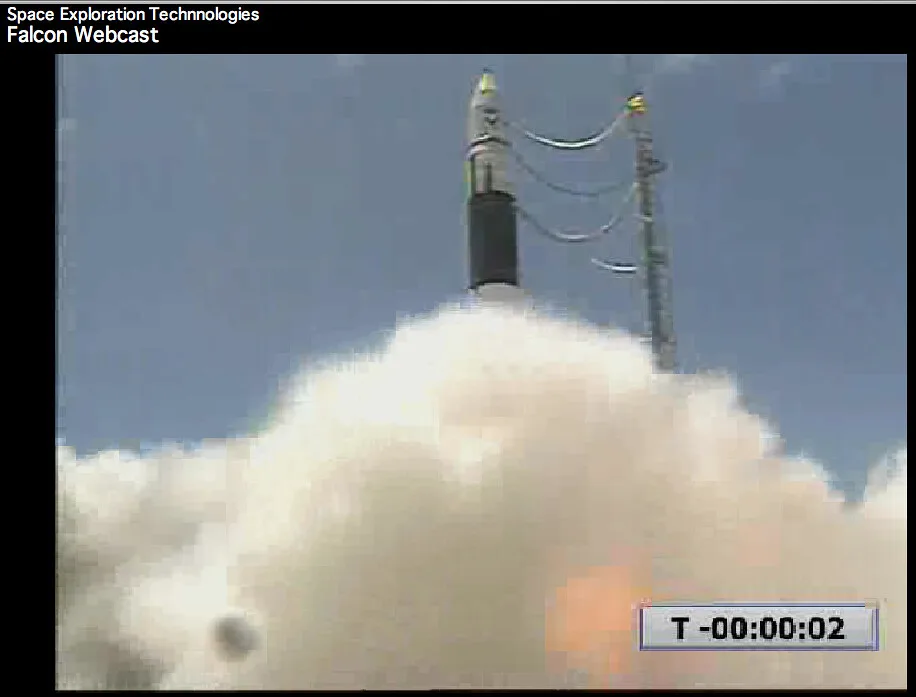
By bringing Cursor’s technology in-house, SpaceX aims to accelerate the iterative testing of the Starship launch vehicle. The company has historically relied on rapid prototyping, and the integration of AI-assisted coding is expected to reduce the time required to update flight control software by an estimated 40%.
Building on a Record-Breaking IPO
This multibillion-dollar purchase occurs only days after SpaceX completed the largest IPO in history. Financial analysts suggest that the $75 billion raised during the public offering provided the company with unprecedented liquidity, allowing CEO Elon Musk to pursue high-value acquisitions that secure the company’s technical supply chain.
Market data from the tech sector indicates that valuations for AI-integrated development tools have surged over the past 18 months. While the $60 billion price tag is substantial, it reflects the critical importance of automation in maintaining a competitive edge within the rapidly expanding private space industry.
Industry Implications and Technical Synergies
Industry experts note that the integration of AI coding assistants could fundamentally change how aerospace hardware is managed. Traditional flight software is notoriously difficult to update due to rigorous safety protocols and the need for extreme precision.