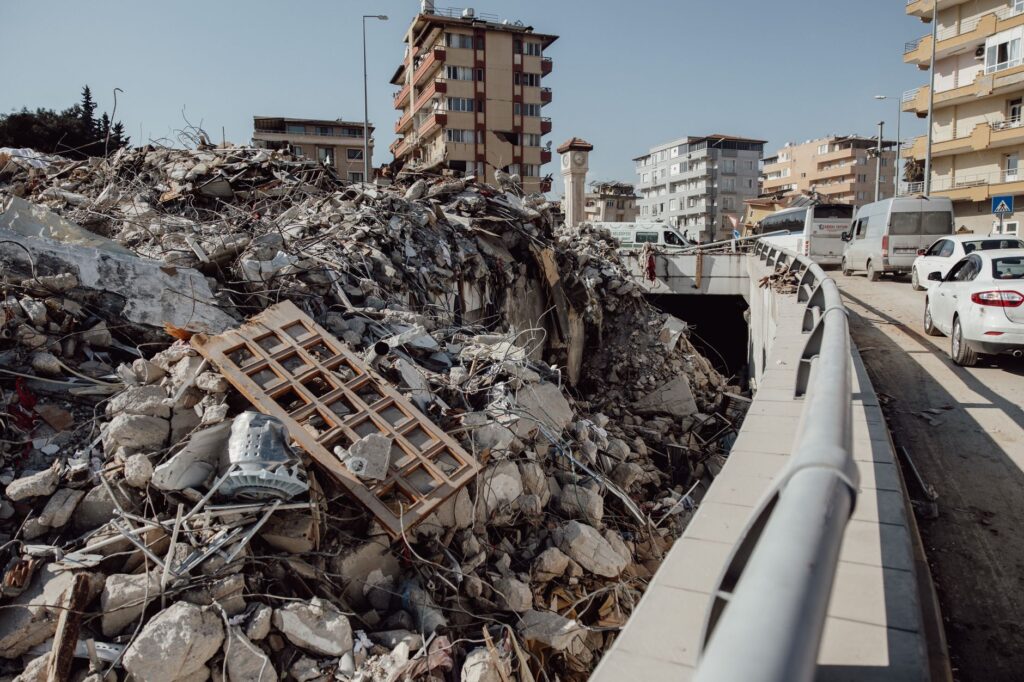

CARACAS — A devastating seismic disaster has inflicted an estimated $19.6 billion in physical damage and economic disruption across Venezuela, according to a comprehensive damage assessment report released by the World Bank. The earthquake, recorded as the nation’s deadliest seismic event since 1812, struck against the backdrop of an existing humanitarian crisis, hitting a country where more than 76% of the population lives below the poverty line.
Deepening Crisis in a Fragile Socioeconomic Landscape
The timing of the disaster has compounded an unprecedented humanitarian challenge for the South American nation. Prior to the seismic activity, Venezuela was already grappling with hyperinflation, deteriorating public utilities, and severe shortages of basic necessities.
Data from international development institutions indicates that national poverty rates had exceeded 76% in recent years, leaving local municipalities without financial reserves or emergency stockpiles. The convergence of acute physical destruction and widespread economic vulnerability has severely restricted immediate disaster response capabilities.
Historical records confirm that this event marks the highest casualty rate from an earthquake in Venezuela in over two centuries. The historical 1812 Caracas earthquake similarly devastated urban centers, and analysts highlight that modern structural vulnerabilities have echoed those historic outcomes.
Comprehensive Breakdown of the $19.6 Billion Loss
The World Bank report details extensive destruction across critical infrastructure, residential housing, commercial sectors, and agricultural supply lines. Key metropolitan areas suffered widespread structural failures, leaving thousands of public buildings unusable.
Residential real estate accounts for a substantial portion of the $19.6 billion total loss, with informal housing settlements suffering the highest rate of destruction. Unreinforced masonry structures common in low-income neighborhoods failed rapidly during the primary tremors.
Essential utility networks, including electricity grids, municipal water systems, and telecommunications, suffered severe disruptions. The breakdown of critical utility systems severely hindered search-and-rescue operations during the crucial initial 72 hours following the catastrophe.
Data Points and Expert Perspectives
“An economic toll of $19.6 billion represents a staggering percentage of Venezuela’s annual economic output,” stated Dr. Elena Rostova, a senior disaster risk analyst specializing in Latin American economies. “Recovering from a shock of this magnitude requires robust institutional capacity, which is severely constrained under current conditions.”
According to metrics detailed in the assessment, public health infrastructure sustained direct physical damages exceeding $2.1 billion. Dozens of regional hospitals and specialized clinics were rendered structurally unsafe at a moment when medical demand spiked exponentially.
Logistical corridors also suffered catastrophic damage, with bridge failures and landslides blocking primary transport routes. Transportation experts project that supply chain bottlenecks will persist for at least a year without immediate, large-scale engineering interventions.
Macroeconomic Implications and Rehabilitation Obstacles
The requirement for nearly $20 billion in reconstruction funding presents an extreme hurdle for a country with limited access to international capital markets. International financial bodies emphasize that domestic revenue generation cannot cover basic structural rehabilitation costs.
Rebuilding key infrastructure will require formal aid frameworks and coordinated international financial assistance. Economists note that capital injections must be coupled with strict structural engineering standards to build resilience against future seismic hazards.
The economic shock is expected to exacerbate internal displacement and drive further regional migration. Families whose homes were destroyed are increasingly relocating toward border towns and secondary cities, placing additional pressure on surrounding municipal systems.
Future Outlook and Critical Factors to Watch
In the coming months, global monitors will focus on the setup of international donor mechanisms and specialized relief funds to handle emergency recovery operations. The speed at which multilateral agencies and local authorities coordinate will determine short-term survival outcomes for affected communities.
Attention will also center on whether reconstruction efforts enforce updated seismic building codes. Long-term regional stability will depend heavily on restoring core utilities and rebuilding public infrastructure to withstand future natural hazards.