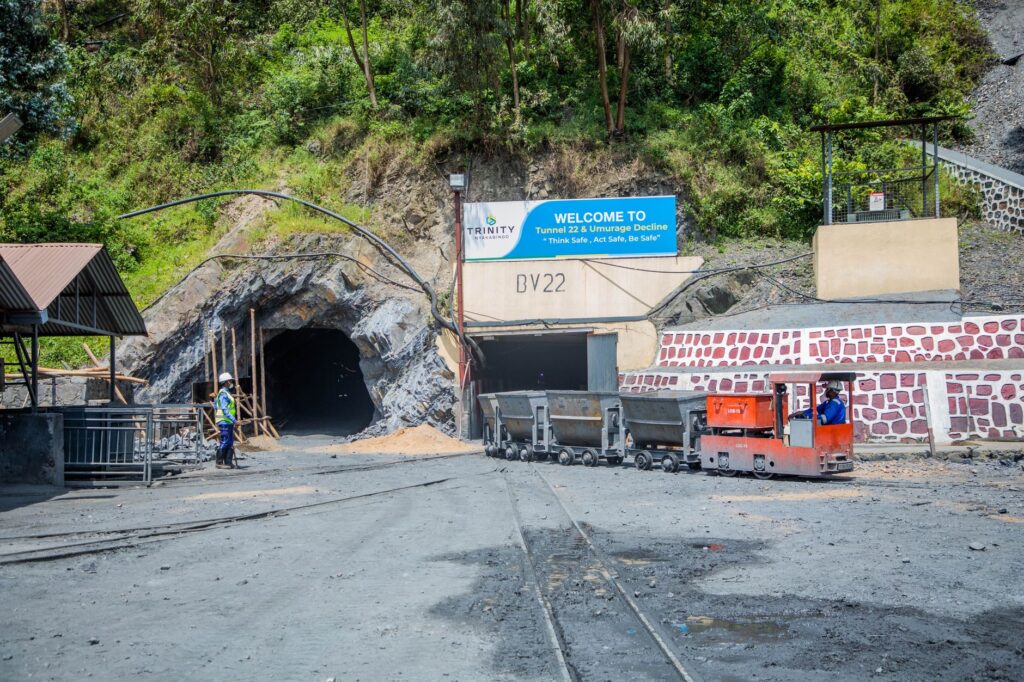

Hindustan Zinc Limited kicked off the first quarter of fiscal year 2027 on a high note, recording a sharp rise in profitability driven by robust global metal prices and historic internal cost efficiencies. The Udaipur-headquartered metals giant announced this week that it achieved its lowest quarterly zinc cost of production, excluding royalty, since fully transitioning its operations to underground mining.
Contextualizing the Shift to Underground Mining
Over the past decade, Hindustan Zinc completed a massive structural shift, moving entirely away from open-cast mining to deep underground extraction across its key Rajasthan deposits. While underground mining typically carries higher capital expenditure and energy requirements, it allows access to significantly higher ore grades.
Historically, deep mining operations face escalating expenses due to ventilation, haulage, and complex ground support systems. Hindustan Zinc managed to reverse this trend by aggressively deploying digital mine management systems, automated drilling equipment, and electric haulage fleets across its core facilities, including the flagship Rampura Agucha mine.
Riding the Wave of Global Metal Price Rallies
The company’s strong start to FY27 arrives alongside a broader rally in global base metals. Prices for zinc on the London Metal Exchange (LME) have seen steady upward pressure, fueled by supply-side disruptions in European smelters and rising global demand for galvanized steel in green energy infrastructure.
Supply constraints in competing mining regions have tightened global inventory levels, creating a favorable pricing environment for primary producers. Analysts note that Hindustan Zinc’s integrated business model—combining mining, smelting, and captive power generation—has allowed the firm to capture maximum upside from elevated spot prices while keeping operating expenses tightly constrained.
Operational Excellence and Cost Metrics
The company’s cost of production, excluding royalty, dropped to its lowest level since the complete phase-out of open-pit operations. This cost efficiency stems directly from higher operational throughput, improved ore processing recovery rates, and strategic long-term energy procurement contracts.
By integrating renewable solar and wind power into its manufacturing matrix, the miner reduced its dependence on volatile fossil fuel markets. Higher smelter utilization rates further amortized fixed costs, significantly expanding EBITDA margins across its core zinc and lead divisions.
Expert Perspectives and Market Data
Market research analysts point to the company’s cost control as a defining competitive advantage within the global cost curve. Global commodity benchmarks place Hindustan Zinc in the lowest decile of global zinc production costs, a position that buffers the company against broader macroeconomic volatility.
“Achieving structural cost reductions while operating exclusively underground is a rare milestone in the mining sector,” noted Rajiv Sharma, senior metals and mining analyst at Global Mining Insights. “Hindustan Zinc has demonstrated that digital transformation and high-grade ore reserves can offset the inherent cost escalation of deep underground operations.”
According to industry data, zinc demand is projected to grow by 2.5% annually through the rest of the decade, largely catalyzed by structural steel usage in solar panel mounting systems, wind turbine construction, and electric vehicle battery corrosion protection.
Industry Implications and Forward Outlook
Hindustan Zinc’s performance offers a template for global miners navigating the capital-intensive transition to underground mining. The company’s ability to maintain low production costs demonstrates that technological automation can effectively mitigate the inflationary pressures facing the wider extraction sector.
Looking ahead, market participants will closely watch how global macroeconomic trends impact base metal demand over the remaining quarters of FY27. Key factors to monitor include central bank monetary policies, infrastructure spending in emerging Asian markets, and the pace of Hindustan Zinc’s ongoing capacity expansion projects aimed at reaching 1.5 million tonnes of annual refined metal output.