








Reigniting the Final Frontier
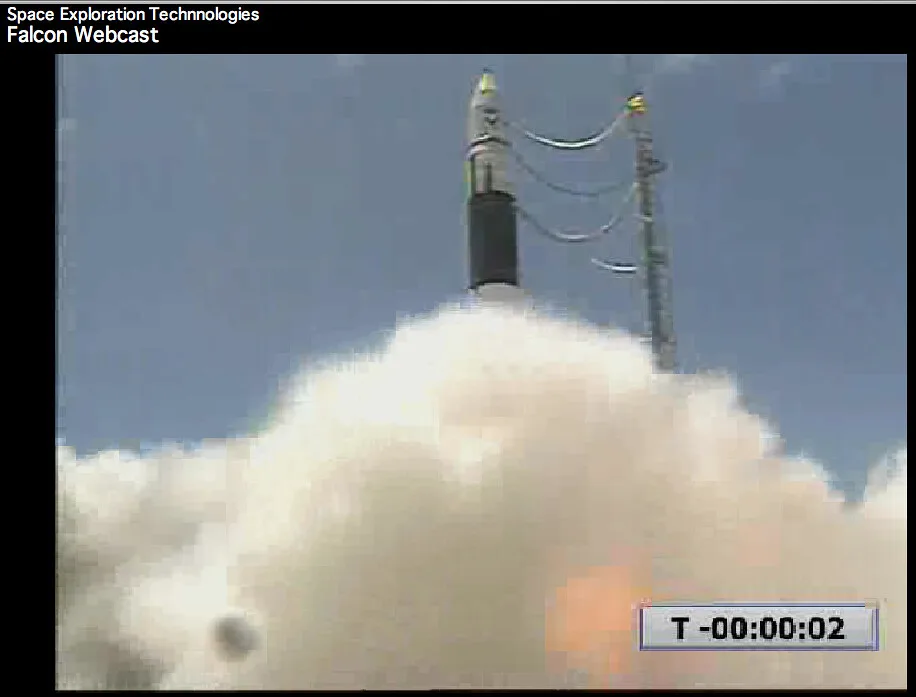
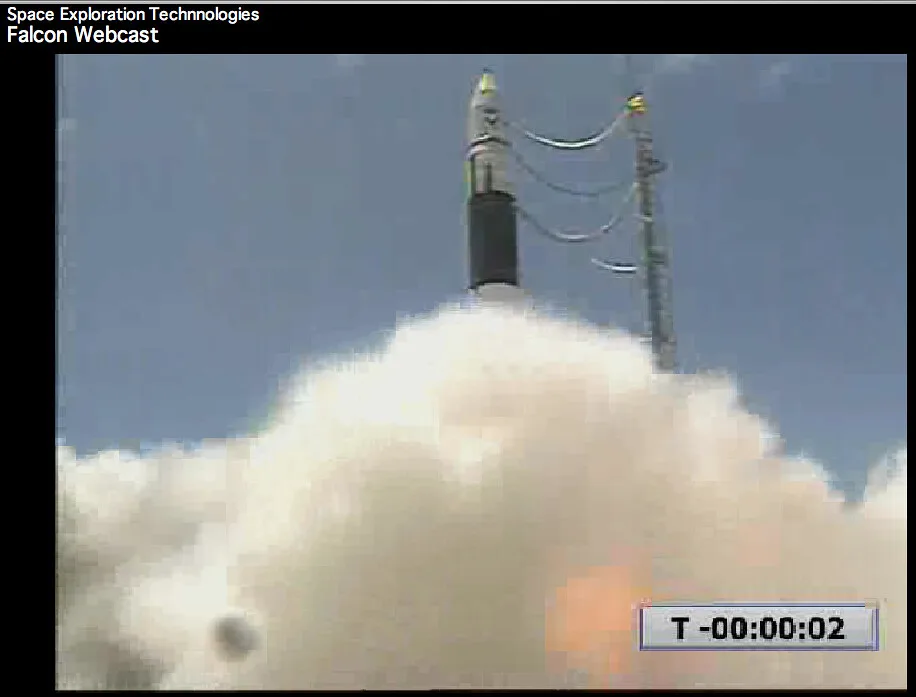
SpaceX, the aerospace manufacturer founded by Elon Musk, has fundamentally altered the trajectory of the global space industry in 2024 by leveraging a ‘superlative’ corporate strategy that prioritizes aggressive innovation and bold public messaging. By consistently meeting critical milestones in launch frequency and reusability, the Hawthorne-based company has successfully transitioned from a niche private contractor to the dominant force in orbital delivery, effectively forcing a structural shift in how both public and private sectors value space-based assets.
The Evolution of Commercial Space
For decades, space exploration remained the exclusive domain of government agencies, characterized by high costs and bureaucratic timelines. The emergence of SpaceX in the early 2000s challenged this paradigm, introducing the concept of vertical integration and reusable rocket boosters to drive down the cost per kilogram of payload sent to orbit.
This shift was not merely technical but financial. Investors have flocked to the space sector, encouraged by SpaceX’s ability to demonstrate that private enterprise could perform tasks previously thought impossible for non-state entities. The company’s recent valuation metrics reflect a market confidence that transcends traditional aerospace manufacturing, positioning it more as a logistics and infrastructure platform for the future of the digital economy.
The Mechanics of the ‘Superlative’ Strategy
Musk’s approach centers on setting near-impossible goals that, even when partially missed, result in significant technological leaps. This strategy has allowed SpaceX to secure a massive share of the commercial satellite launch market while maintaining a clear lead over legacy aerospace competitors.
Data from the Federal Aviation Administration (FAA) shows that SpaceX accounted for the majority of successful orbital launches in the United States over the last twelve months. This high cadence is supported by the Starlink constellation, which provides the consistent revenue stream necessary to fund long-term projects like the Starship launch system.
Expert Analysis on Industry Disruption
Industry analysts suggest that SpaceX’s influence extends far beyond the hardware itself. According to a recent report by the Space Foundation, the global space economy is projected to reach $1 trillion by 2040, a figure largely predicated on the cost-reduction strategies pioneered by SpaceX.
‘The company has effectively commoditized the launch process,’ says Dr. Elena Rossi, an aerospace analyst. ‘By treating rockets like airplanes—designed for multiple flights rather than single-use disposal—they have removed the primary barrier to entry for smaller space-based startups and research institutions.’
Implications for the Future
The success of this strategy suggests that the future of space exploration will be increasingly defined by private-sector capital and operational agility. For legacy companies, the challenge lies in adapting to a market that no longer rewards incremental progress but demands radical efficiency.
Observers should watch for how SpaceX manages the transition from a launch provider to a global internet infrastructure operator. As the Starship program moves toward full operational status, the focus will likely shift to the cost-effectiveness of heavy-lift transport, potentially enabling the construction of permanent lunar and Martian outposts. The industry must now grapple with whether the current pace of innovation is sustainable or if regulatory frameworks can keep up with the rapid expansion of commercial activity in low Earth orbit.