









The World Bank issued a stark warning this week, reporting that the escalating conflict involving Iran and its regional proxies is exerting significant downward pressure on global economic growth. As geopolitical tensions disrupt vital energy supply routes in the Middle East, rising oil and gas prices are fueling a renewed wave of global inflation that threatens to derail the fragile recovery from previous post-pandemic economic shocks.
The Fragility of Global Energy Markets
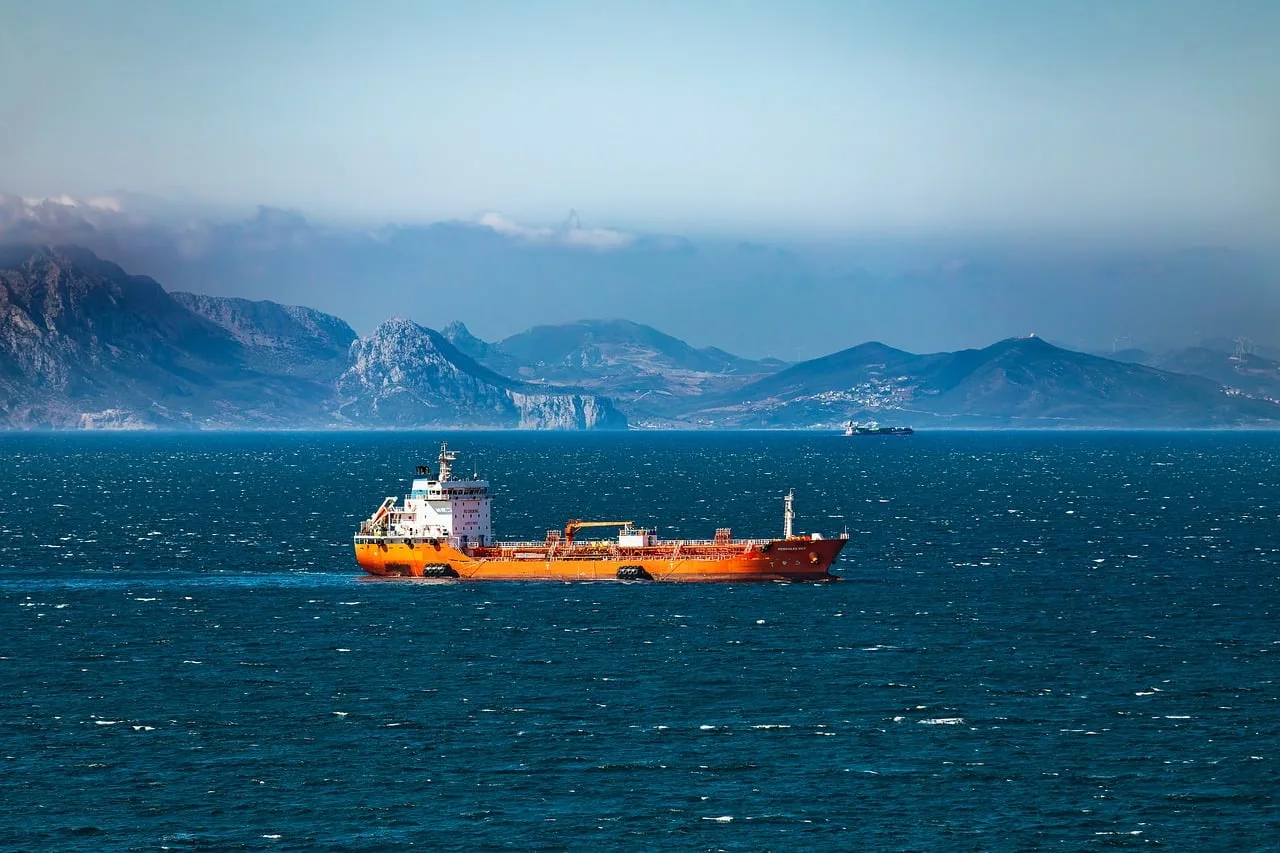
Energy markets remain hypersensitive to developments in the Middle East, a region responsible for a substantial portion of the world’s daily oil production. Historically, conflicts in this area have triggered immediate price spikes, as traders factor in potential disruptions to the Strait of Hormuz, a critical maritime chokepoint.
When energy costs rise, the impact ripples through the global economy, increasing transportation expenses and manufacturing costs. This creates a supply-side inflation pressure that is particularly difficult for central banks to manage through interest rate adjustments alone.
Economic Volatility and Inflationary Pressures
The World Bank’s latest assessment highlights that the global economy is currently navigating a period of high sensitivity. After years of aggressive monetary tightening aimed at cooling inflation, many nations are now seeing their progress stalled by these external geopolitical shocks.
Economists point to the ‘uncertainty premium’ added to commodity prices whenever conflict intensifies. This premium forces businesses to hold higher cash reserves and delay capital investments, which directly suppresses global GDP growth projections for the upcoming fiscal year.
Expert Perspectives on Market Resilience
Financial analysts at institutions like the IMF have echoed these concerns, noting that the synchronicity of inflation across developed and emerging markets makes the global economy more vulnerable to localized conflicts. Data from the World Bank indicates that even a moderate sustained increase in oil prices could shave significant percentage points off the growth of energy-importing nations.
While some regions may benefit from higher commodity export revenues, the net effect on global trade volume remains negative. The consensus among market experts is that if the conflict leads to a prolonged disruption of shipping lanes, the world could face a period of stagflation—characterized by stagnant growth and persistently high prices.
Strategic Implications for Global Industry
For multinational corporations, these developments necessitate a rapid reassessment of supply chain dependencies. Companies are increasingly looking to ‘near-shoring’ or diversifying energy sources to hedge against volatility in Middle Eastern markets.
Investors are also shifting toward defensive assets, moving capital away from growth-sensitive sectors and toward commodities and bonds that traditionally perform well during periods of geopolitical unrest. This flight to safety further restricts the flow of capital into innovative industries that require stable economic environments to flourish.
Looking Toward Future Market Stability
As the situation unfolds, market participants are closely monitoring the diplomatic efforts of major global powers to contain the scope of the conflict. Analysts suggest that the primary indicator to watch is the stability of crude oil futures, which will serve as a proxy for market confidence in the coming months.
Persistent diplomatic stalemates or further military escalation will likely compel the World Bank and other financial institutions to revise their growth forecasts downward again. The focus for the next quarter will remain on whether central banks can maintain their current interest rate trajectories or if they will be forced to pivot in response to a fresh inflationary surge.