







Investors and technology analysts are currently grappling with a growing disconnect between the explosive demand for artificial intelligence infrastructure and the long-term sustainability of current market valuations. As major cloud providers and chip manufacturers report record-breaking capital expenditures throughout 2024, Wall Street remains divided on whether this spending spree represents a permanent shift in the global economy or a temporary, speculative bubble fueled by generative AI hype.
The Context of AI Capital Intensity
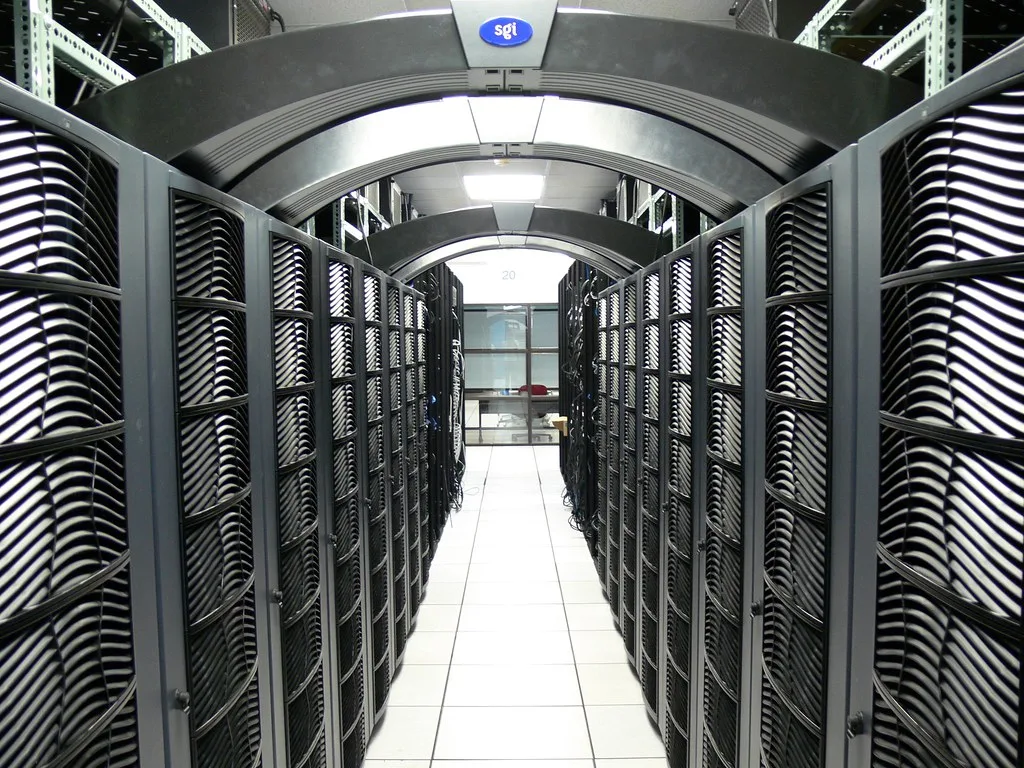
The current AI boom is characterized by unprecedented spending on specialized hardware, specifically high-end graphics processing units (GPUs) and massive data center footprints. Unlike previous software-led tech cycles, this phase requires physical infrastructure that costs billions to build and maintain, leading to a race among hyperscalers to secure dominance in model training capabilities.
Historically, capital-intensive technology cycles—such as the fiber-optic build-out of the late 1990s—often see a period of massive over-investment followed by a painful correction. While modern cloud computing operates with more recurring revenue stability than early internet infrastructure, the sheer scale of current investment raises questions about the timeline for return on investment.
Analyzing the Demand Forecasts
Market leaders argue that the demand for AI compute power is essentially bottomless, driven by the integration of large language models into every facet of enterprise software. Companies are currently prioritizing AI readiness to avoid obsolescence, leading to a surge in procurement that has pushed chip makers to historic revenue peaks.
However, skeptics point to the “AI math” problem: the cost of running sophisticated AI models remains prohibitively high for many businesses. If the revenue generated from AI-enabled services does not grow at a rate commensurate with the infrastructure costs, corporate budgets may tighten, leading to a deceleration in demand for new hardware.
Expert Perspectives on Market Sustainability
Financial analysts at firms like Goldman Sachs have recently noted that while AI investment is surging, the practical application of these technologies at scale is still in its infancy. Data suggests that while productivity gains are being observed in coding and content creation, the broader economic impact remains difficult to quantify in quarterly earnings reports.
Technical experts emphasize that the industry is currently in a “training phase” that is naturally resource-heavy. As model optimization techniques improve and inference becomes more efficient, the intensity of hardware requirements per unit of output may drop significantly, potentially cooling the demand for newer, more expensive chip generations.
Implications for the Tech Landscape
For the average enterprise, this volatility means a shifting landscape of service costs and vendor stability. Organizations that commit too heavily to a single proprietary infrastructure stack risk being locked into high-cost environments if the underlying hardware market undergoes a price correction.
Industry observers should look toward the next two fiscal quarters for signs of “AI fatigue” among enterprise clients. If capital expenditure growth begins to decouple from actual revenue growth, investors should anticipate a recalibration of stock prices, as the market shifts from rewarding pure infrastructure spending to prioritizing tangible, high-margin AI utility.