









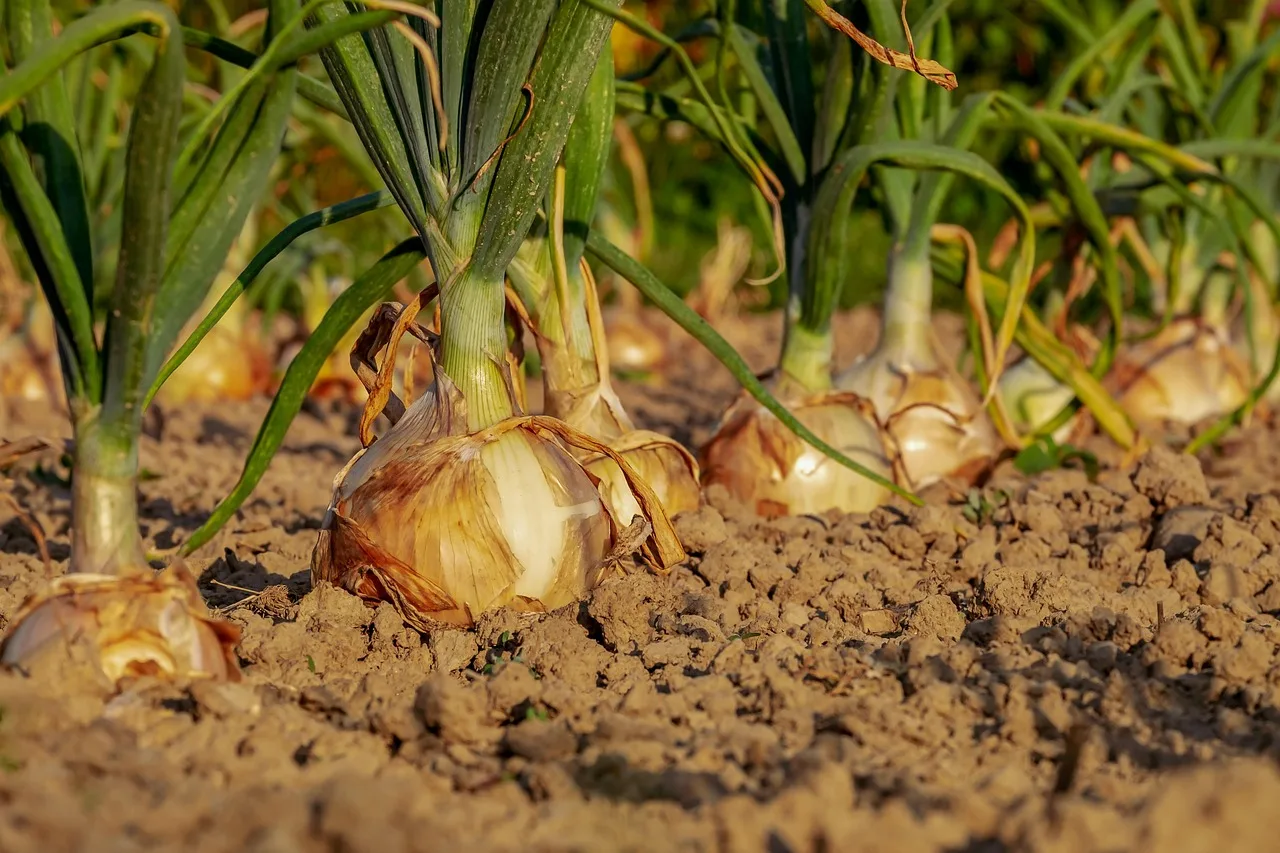
Onion farmers across Maharashtra, India’s largest producer of the kitchen staple, are intensifying their protests this week as they demand a minimum support price (MSP) of Rs 3,000 per quintal. While the state government recently announced relaxed procurement rules to streamline market operations, agricultural unions argue that the current market rate of Rs 1,580 per quintal fails to cover basic production costs.
The Economic Context of Onion Cultivation
Maharashtra accounts for a significant portion of India’s onion output, making it the primary hub for the nation’s supply chain. However, the sector has been plagued by erratic monsoon patterns, rising fertilizer costs, and volatile export policies that frequently disrupt price stability.
Farmers have historically struggled with the ‘cobweb phenomenon,’ where a bumper crop leads to a collapse in prices, followed by a shortage in the subsequent season. This cyclical instability often leaves smallholder farmers in a perpetual state of debt, struggling to recoup their initial investment.
Dissecting the Demand for Price Floors
The core of the current unrest lies in the discrepancy between government-offered relief and the actual cost of cultivation. Agricultural experts note that inputs—including labor, irrigation, and transport—have seen inflationary pressure over the last three years.