









Renewed Diplomatic Momentum
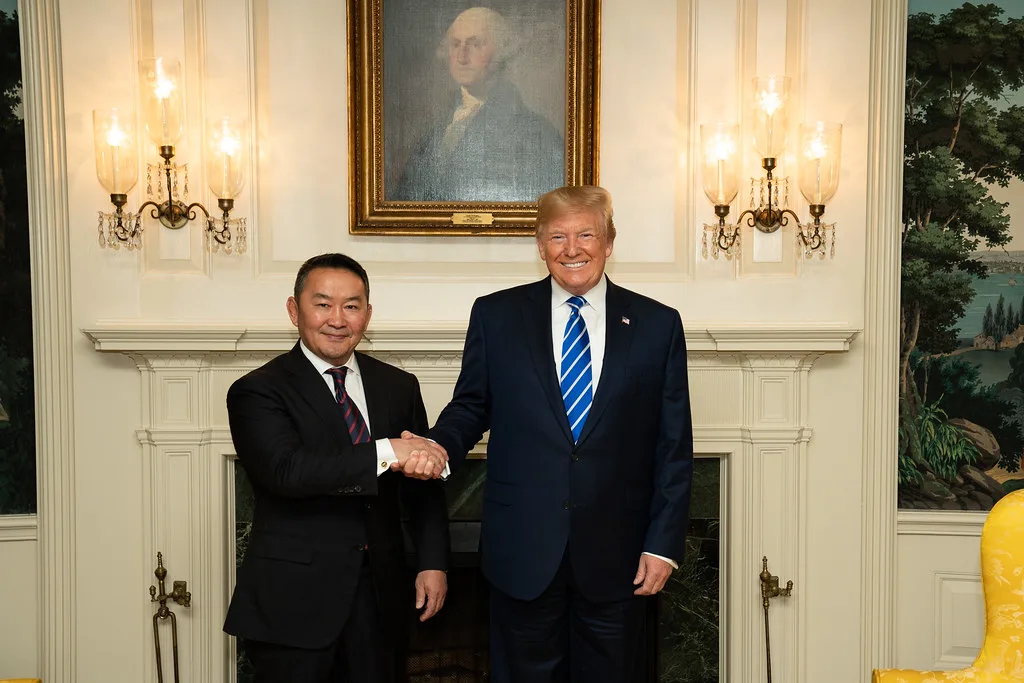
India and Australia officially resumed negotiations for a Comprehensive Economic Cooperation Agreement (CECA) this week, marking the first formal round of trade talks since the conclusion of India’s general elections in June 2024. The discussions, held between senior trade officials from both nations, aim to broaden the scope of the existing early-harvest trade deal to encompass a full-scale bilateral economic partnership. This move signals a strategic alignment between New Delhi and Canberra, reflecting a shared priority to reduce supply chain dependencies and foster economic resilience in the Indo-Pacific region.
The Path to Comprehensive Partnership
The current talks build upon the foundation laid by the Australia-India Economic Cooperation and Trade Agreement (ECTA), which entered into force in December 2022. While ECTA eliminated tariffs on a significant majority of goods, the CECA aims to address more complex areas including services, digital trade, government procurement, and intellectual property. By expanding the scope of the agreement, both governments intend to unlock untapped potential in sectors ranging from critical minerals to professional services.
Strategic Economic Synergy
For India, the focus remains on increasing market access for its labor-intensive sectors, such as textiles, leather, and agricultural products. Australian negotiators, conversely, are pushing for enhanced access to India’s rapidly growing services market and seeking to secure long-term supply chains for critical minerals necessary for green energy transitions. The complementarity of the two economies provides a robust framework for trade, as India’s demand for raw materials aligns with Australia’s vast resource wealth.
Expert Analysis and Market Outlook
Trade analysts suggest that the resumption of talks is a clear indicator of political stability following India’s election cycle. According to recent data from the Department of Foreign Affairs and Trade (DFAT), bilateral trade in goods and services has grown significantly since the ECTA, reaching approximately $45 billion in the last fiscal year. Dr. Arindam Ghosh, a senior trade economist, notes that the success of CECA will rely on the ability of both parties to resolve sensitive issues regarding visa mobility for professionals and agricultural tariff protections.
Industry and Global Implications
The finalization of a comprehensive agreement would provide a significant boost to businesses operating within the Indo-Pacific corridor. For Indian firms, the deal offers a gateway to integrated value chains in Australia, while Australian businesses stand to benefit from the liberalization of India’s digital and financial services sectors. Furthermore, the agreement serves as a geopolitical signal, strengthening the “Quad” partnership by weaving economic interdependence into the existing security framework.
Future Developments to Watch
Looking ahead, stakeholders should monitor the outcomes of the upcoming working group sessions, which are expected to address specific regulatory hurdles and non-tariff barriers. The pace of these negotiations will likely be influenced by broader global trade trends and the ongoing evolution of the Indo-Pacific Economic Framework (IPEF). As both nations aim to finalize the agreement in the near term, the focus will remain on whether they can reconcile domestic political pressures with the ambitious objectives of a full-scale free trade pact.